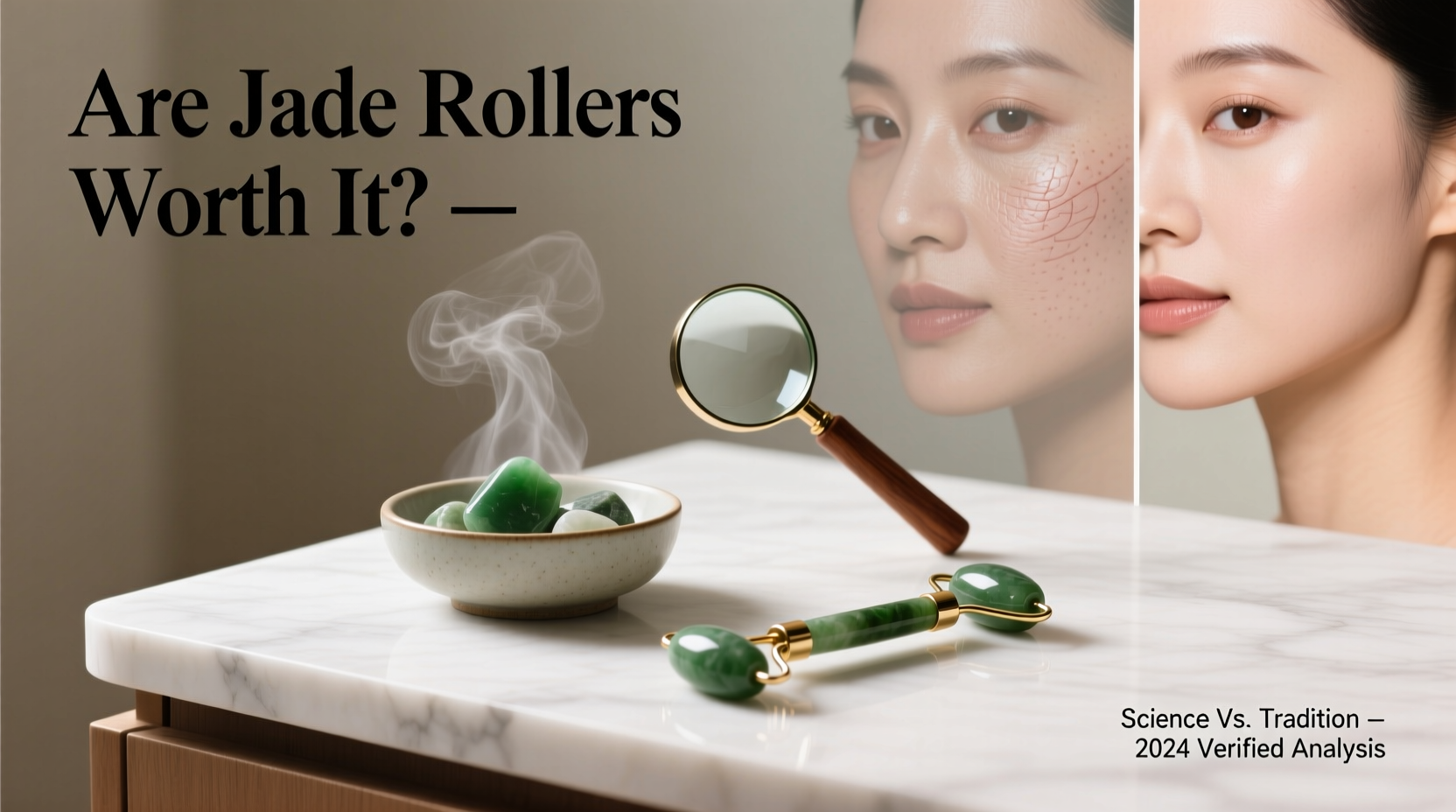
In an era where viral beauty tools dominate social media feeds, the jade roller has emerged as both a cult favorite and a subject of skepticism. Promoted by influencers, dermatologists, and wellness gurus alike, these cool, handheld stones promise depuffing, glowing skin, and even anti-aging benefits. But behind the aesthetic appeal and Insta-worthy unboxings, one question persists: Are jade rollers actually effective, or are they merely decorative accessories capitalizing on wellness trends?
The truth lies somewhere in between. While not a miracle cure, a jade roller can be a valuable addition to a thoughtful skincare routine—when used correctly and with realistic expectations. To separate fact from fiction, we’ll explore the history, science, benefits, and limitations of jade rolling, backed by expert insights and practical advice.
The Origins and Evolution of Jade Rolling
Jade rolling traces its roots to traditional Chinese medicine (TCM), where smooth stones were used for centuries to promote energy flow and circulation. The practice was believed to support lymphatic drainage and balance the body’s qi, or vital energy. Though historical evidence is largely anecdotal, the use of cooling stones on the face aligns with broader TCM principles of reducing inflammation and improving vitality.
Fast forward to the 21st century: jade rollers reemerged in the West during the mid-2010s, popularized by celebrities and clean beauty advocates. What began as a niche wellness tool quickly became a mainstream staple, with prices ranging from $10 drugstore versions to $100+ luxury editions made from authentic nephrite jade or rose quartz.
This resurgence wasn’t just about tradition—it coincided with a growing consumer interest in self-care rituals, non-invasive skincare, and holistic approaches to beauty. As people sought alternatives to invasive procedures, facial tools like gua sha and jade rollers gained traction as accessible, soothing additions to daily routines.
How Do Jade Rollers Work? The Science Behind the Claims
At its core, a jade roller is a manual facial massage tool consisting of two stones—one large for cheeks and forehead, one small for under-eyes and contours—mounted on a metal handle. When rolled across the skin, it applies gentle pressure that may stimulate blood flow and assist lymphatic drainage.
Lymphatic drainage is a key factor in reducing puffiness, especially around the eyes. Unlike the circulatory system, which has the heart to pump blood, the lymphatic system relies on muscle movement and external pressure to remove waste and excess fluid. Facial massage can support this process, potentially leading to a less puffy, more sculpted appearance.
“Facial massage tools like jade rollers can temporarily improve circulation and reduce fluid buildup. They won’t replace medical treatments, but they can complement a good skincare regimen.” — Dr. Nina Patel, Board-Certified Dermatologist
Additionally, the cooling effect of jade—especially when stored in the refrigerator—can constrict blood vessels, further minimizing puffiness and calming irritated skin. This makes it particularly useful in morning routines or after late nights.
However, claims about jade rollers “lifting” skin, eliminating wrinkles, or “detoxing” the face lack robust scientific backing. Skin aging is influenced by collagen loss, sun exposure, and genetics—factors that a simple roller cannot reverse. Any lifting effect is temporary, resulting from improved circulation and reduced swelling rather than structural changes.
Benefits vs. Limitations: A Balanced View
To assess whether a jade roller is worth the investment, it’s essential to distinguish between proven benefits and exaggerated marketing claims.
Tip: For enhanced depuffing, store your jade roller in the fridge overnight. The cold surface amplifies its soothing, toning effect.| Claim | Supported By Evidence? | Notes |
|---|---|---|
| Reduces facial puffiness | Yes, temporarily | Due to lymphatic stimulation and cooling effect |
| Improves circulation | Yes | Massage increases blood flow, aiding product absorption |
| Minimizes fine lines | No direct evidence | May appear smoother due to hydration and plumping |
| Firms sagging skin | No | Temporary lift from reduced fluid retention only |
| Enhances product absorption | Possibly | Rolling may push serums deeper into skin layers |
| Detoxifies the skin | No | Skin detox is a myth; liver and kidneys handle detox |
The most tangible benefits are short-term: reduced puffiness, calmer skin, and a radiant glow from increased microcirculation. These effects are subtle but noticeable, especially when paired with a consistent skincare routine. Over time, regular facial massage may also help prevent tension-related fine lines by relaxing facial muscles.
On the flip side, expecting dramatic transformations is unrealistic. A jade roller won’t replace retinoids, sunscreen, or professional treatments. And while the ritual itself promotes mindfulness—a valid wellness benefit—it shouldn’t distract from foundational skincare practices like cleansing, moisturizing, and UV protection.
How to Use a Jade Roller Effectively: A Step-by-Step Guide
Using a jade roller incorrectly can negate any potential benefits. Follow this science-backed method to maximize results:
- Cleanse your face: Start with a freshly washed face to avoid pushing dirt into pores.
- Apply a serum or facial oil: Use a slippery base to reduce friction. Hyaluronic acid serums or lightweight oils work best.
- Begin with the neck: Use upward strokes from collarbone to jawline to encourage lymph flow toward nodes.
- Move to the jaw and chin: Roll outward and upward along the jawline to reduce jowling and puffiness.
- Tackle cheeks and nose: Use the larger stone in sweeping motions from the nose to ears.
- Under-eye area: Gently roll from inner to outer corners using the smaller stone. Avoid pressing too hard.
- Forehead: Roll horizontally from the center outward, then vertically from brows to hairline.
- Finish with upward motions on temples: This helps drain fluid and relieve tension.
Use light to moderate pressure—never drag or tug. Each session should last 3–5 minutes. For best results, use daily, ideally in the morning to combat overnight fluid retention.
“Consistency matters more than intensity. Gentle, regular massage supports long-term skin health better than aggressive rolling.” — Mei Lin, Licensed Esthetician and Facial Therapist
Real User Experience: A Mini Case Study
Sarah, a 34-year-old graphic designer from Portland, struggled with chronic under-eye puffiness and stress-induced facial tension. After seeing jade rollers on a skincare podcast, she purchased a mid-range nephrite jade roller and committed to using it every morning for six weeks.
She followed the proper technique, storing the roller in the fridge and pairing it with a vitamin C serum. Within two weeks, she noticed her eyes looked less swollen, and her makeup applied more smoothly. By week four, coworkers commented on her “glowy” complexion. While she didn’t see fewer wrinkles, Sarah reported feeling more relaxed and disciplined in her skincare routine.
“It’s not magic,” she said. “But it’s become a grounding part of my mornings. I feel like I’m doing something proactive for my skin—even if it’s mostly psychological.”
Sarah’s experience reflects a common outcome: modest physical improvements combined with meaningful ritual value. The psychological benefit of a mindful skincare practice should not be underestimated, especially in high-stress lifestyles.
Choosing the Right Roller: Checklist for Smart Buying
Not all jade rollers are created equal. With so many options—and counterfeits—on the market, use this checklist before purchasing:
- ✅ Made from genuine nephrite or jadeite (not glass or resin)
- ✅ Smooth, polished stones with no rough edges
- ✅ Secure metal stem with no wobbling
- ✅ Comes with care instructions and storage pouch
- ✅ Purchased from a reputable brand or retailer
- ❌ Avoid overly cheap versions (under $15)—they’re often fake
- ❌ Steer clear of exaggerated claims like “permanent lifting” or “toxin removal”
Authentic jade retains coolness longer and feels denser in hand. If the roller warms up instantly or feels hollow, it’s likely not real stone. Some users prefer rose quartz for its purported emotional healing properties, though its physical effects are similar to jade.
FAQ: Common Questions About Jade Rollers
Can I use a jade roller every day?
Yes, daily use is safe and recommended, especially in the morning. Just ensure your skin isn’t irritated or broken, and always use gentle pressure.
Do I need to clean my jade roller?
Absolutely. Clean it weekly with mild soap and water, then dry thoroughly. Bacteria can accumulate from skin contact, especially if used over oils or acne-prone areas.
Is there anyone who should avoid using a jade roller?
Individuals with active cystic acne, rosacea flare-ups, or skin infections should avoid facial tools until skin is calm. The pressure may spread bacteria or worsen inflammation.
Final Verdict: Worth It or Waste of Money?
The answer depends on your goals. If you’re seeking a non-invasive way to reduce puffiness, enhance radiance, and add a mindful moment to your routine, a jade roller is absolutely worth the splurge—provided you buy a quality one and use it consistently.
However, if you’re hoping for dramatic anti-aging results or expect it to replace clinical treatments, you’ll likely be disappointed. Jade rollers are complementary tools, not standalone solutions.
Think of them like a foam roller for your face: not essential, but beneficial when integrated thoughtfully. At $30–$60 for a genuine piece, it’s a relatively low-risk investment compared to high-end serums or devices. And unlike trendy gadgets that collect dust, many users find jade rolling becomes a cherished habit.
🚀 Ready to elevate your skincare ritual? Try a jade roller for two weeks with consistency and intention. Track how your skin looks and feels—you might discover it’s not just a trend, but a tool that brings both visible and emotional benefits.








