In recent years, the jade roller has become a staple on bathroom vanities and Instagram skincare routines. Touted as an ancient Chinese beauty secret, these cool, smooth stones promise glowing skin, reduced puffiness, and even anti-aging benefits. But with so much hype, it’s fair to ask: are jade rollers actually effective, or are they merely decorative tools that gather dust between selfies?
The truth lies somewhere in between. While jade rollers aren’t miracle workers capable of replacing medical-grade treatments, they do offer tangible, science-backed benefits when used correctly. Understanding what they can—and cannot—do is key to determining whether yours should stay in rotation or be repurposed as a bookend.
The Origins and Claims Behind Jade Rollers
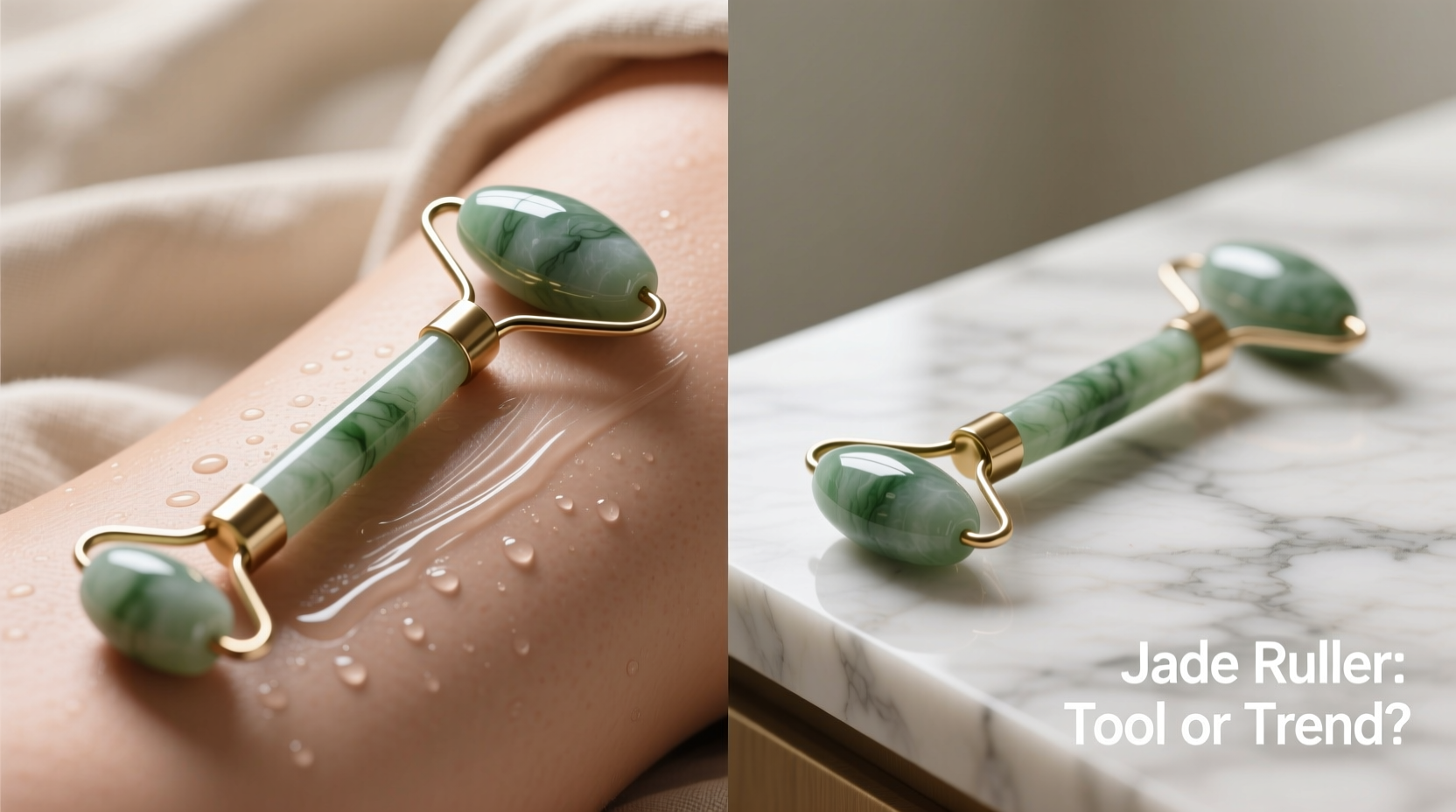
Jade rollers trace their roots to traditional Chinese medicine (TCM), where practitioners have long used stone tools for facial massage and energy balancing. The belief was that stimulating certain points on the face could improve circulation, promote lymphatic drainage, and support overall well-being. Modern beauty brands have adapted this concept into a minimalist skincare ritual, often pairing jade rollers with gua sha tools.
Today’s marketing makes bold claims: reduce wrinkles, tighten pores, depuff eyes, enhance product absorption, and even sculpt the jawline. These promises are compelling, especially when paired with celebrity endorsements and influencer tutorials. However, many of these claims lack robust clinical evidence.
That said, some aspects of facial rolling are supported by physiology. Manual lymphatic drainage, for instance, is a legitimate therapeutic technique used to reduce swelling. Similarly, increased blood flow to the skin can temporarily improve radiance. The question isn’t whether facial massage works—it does—but whether a $30 jade roller delivers meaningful results beyond what a clean hand could achieve.
“Facial massage can support circulation and may help with fluid retention, but don’t expect dramatic changes from rolling alone.” — Dr. Naomi Chen, Dermatologist and Cosmetic Researcher
What Science Says About Facial Rolling
There is limited peer-reviewed research specifically on jade rollers, but broader studies on facial massage and lymphatic stimulation provide insight. A 2019 study published in *Clinical, Cosmetic and Investigational Dermatology* found that regular facial massage improved skin elasticity and hydration over time. Another small trial noted temporary reductions in under-eye puffiness after manual lymphatic techniques.
The cooling effect of jade—which retains cold temperatures when stored in the fridge—can constrict blood vessels, leading to a short-term reduction in inflammation and puffiness. This is similar to using a cold spoon under the eyes, a home remedy dermatologists often recommend.
However, no study has shown that jade itself has unique properties that benefit the skin. The material—whether jade, rose quartz, or amethyst—is largely symbolic. What matters more is the motion: gentle, upward strokes that follow lymphatic pathways.
One misconception is that jade rollers stimulate collagen production. While microneedling and radiofrequency devices can trigger collagen synthesis through controlled injury or heat, there’s no evidence that light pressure from a roller achieves the same effect. Collagen support requires deeper dermal intervention.
Tip: For maximum depuffing effect, store your jade roller in the refrigerator for at least 20 minutes before use.Real Benefits vs. Marketing Hype
To separate fact from fiction, let’s evaluate the most common claims made about jade rollers:
| Claim | Supported? | Explanation |
|---|---|---|
| Reduces facial puffiness | ✅ Partially | Cooling + massage can temporarily move excess fluid via lymphatic drainage. |
| Improves product absorption | ⚠️ Limited | Rolling may help serums penetrate slightly better by spreading them evenly, but not significantly more than fingertips. |
| Tightens skin and reduces wrinkles | ❌ No | No evidence that rolling stimulates collagen or tightens elastin long-term. |
| Sculpts the jawline | ❌ No | Fat distribution and bone structure determine jawline shape; rolling doesn’t alter either. |
| Boosts circulation and glow | ✅ Yes | Gentle massage increases blood flow, giving skin a temporary healthy flush. |
| Calms acne and inflammation | ⚠️ Conditionally | Cooling may soothe irritation, but aggressive rolling can worsen active breakouts. |
The most consistent benefit users report is a calming ritual that enhances their skincare routine. The act of slow, deliberate facial massage can reduce stress, which indirectly benefits skin health. Chronic stress elevates cortisol, a hormone linked to breakouts, dryness, and accelerated aging. In this sense, the jade roller functions less as a cosmetic tool and more as a mindfulness aid.
How to Use a Jade Roller Effectively (Step-by-Step)
If you choose to incorporate a jade roller into your routine, technique matters. Incorrect use can lead to tugging, irritation, or ineffective results. Follow this science-informed method for optimal benefit:
- Cleanse first: Start with a freshly washed face to prevent pushing dirt into pores.
- Apply a serum or oil: Use a slippery base like hyaluronic acid or facial oil to minimize friction.
- Chill the roller: Store it in the fridge for 15–20 minutes before use for enhanced depuffing.
- Begin at the center of the face: Use the larger end for cheeks, forehead, and neck.
- Roll outward and upward: Move from nose to ears, chin to jawline, and center forehead to hairline. Always follow lymphatic flow toward lymph nodes near the ears and neck.
- Use light pressure: Let the weight of the roller do the work. Avoid pressing hard enough to distort the skin.
- Switch to the smaller end for delicate areas: Gently roll under the eyes and around the nose.
- Finish with moisturizer: Seal in hydration after rolling.
- Clean after each use: Wipe with a soft cloth and mild soap to prevent bacterial buildup.
For best results, use 3–5 times per week. Daily use is safe if done gently, but overuse offers diminishing returns. Think of it like stretching—beneficial in moderation, excessive without added benefit.
A Realistic Case: One Month of Consistent Use
Sophia, a 34-year-old graphic designer, decided to test her jade roller for 30 days. She had mild morning puffiness and wanted to see if the tool would make a visible difference. She followed the proper technique every morning after cleansing, using a vitamin C serum as her base.
After two weeks, she noticed her under-eye area looked less swollen, especially after poor sleep. By day 30, her skin appeared slightly brighter, and she felt more connected to her morning routine. “It’s not like I suddenly have a chiseled jawline,” she admitted, “but my skin feels awake, and I enjoy the few minutes of quiet before starting work.”
She did not observe changes in pore size or fine lines, nor did her acne improve. However, she appreciated the ritual and continued using the roller as part of her self-care practice—even after learning the effects were mostly temporary.
This case illustrates a common outcome: modest, short-term aesthetic improvements paired with psychological benefits. The roller didn’t transform Sophia’s skin, but it enhanced her relationship with her skincare regimen.
Do’s and Don’ts of Jade Roller Use
To get the most out of your tool while avoiding harm, follow this checklist:
- Do cleanse your face and roller before and after use.
- Do store it in a cool, dry place—or the fridge for extra cooling.
- Do use light, upward strokes following lymphatic flow.
- Do pair it with a slick serum or oil to prevent dragging.
- Don’t use on active acne, open wounds, or sunburned skin.
- Don’t press too hard—this can damage capillaries or stretch skin.
- Don’t expect permanent lifting or fat reduction.
- Don’t skip cleaning—it can harbor bacteria and cause breakouts.
Frequently Asked Questions
Can I use a jade roller if I have sensitive skin?
Yes, but with caution. Use the lightest pressure possible and avoid inflamed areas. If your skin reacts with redness or stinging, discontinue use. Sensitive skin types may benefit more from the cooling effect than the massage itself.
Is there a difference between jade, rose quartz, and amethyst rollers?
From a dermatological standpoint, no. The materials differ in color and metaphysical associations (e.g., jade for balance, rose quartz for love), but none have proven skin-enhancing properties over the others. Choose based on preference or aesthetics.
How often should I replace my jade roller?
With proper care, a high-quality jade roller can last indefinitely. However, inspect it regularly for chips or cracks. If the surface becomes uneven or sharp, replace it to avoid micro-tears in the skin.
Final Verdict: Beauty Tool or Beautiful Gimmick?
Jade rollers are neither magical elixirs nor useless trinkets. They occupy a middle ground: functional enough to offer mild, temporary benefits, yet limited in their ability to produce lasting change. Their greatest value may lie not in dermatology, but in psychology—the ritual of self-care, the moment of pause in a hectic day, the tactile pleasure of cool stone gliding across warm skin.
If you enjoy using yours, keep it. Just don’t expect it to replace retinoids, sunscreen, or professional treatments. When paired with a solid skincare foundation, a jade roller can be a pleasant enhancement—not a cornerstone.
And if yours has been sitting unused? It might not be laziness. It might simply mean you’ve realized what many eventually do: glowing skin comes from consistency, not crystals.
💬 Have you tried a jade roller? Did you notice a difference, or did it feel like a placebo with polish? Share your experience in the comments—we’d love to hear what works (and what doesn’t) in real life.








