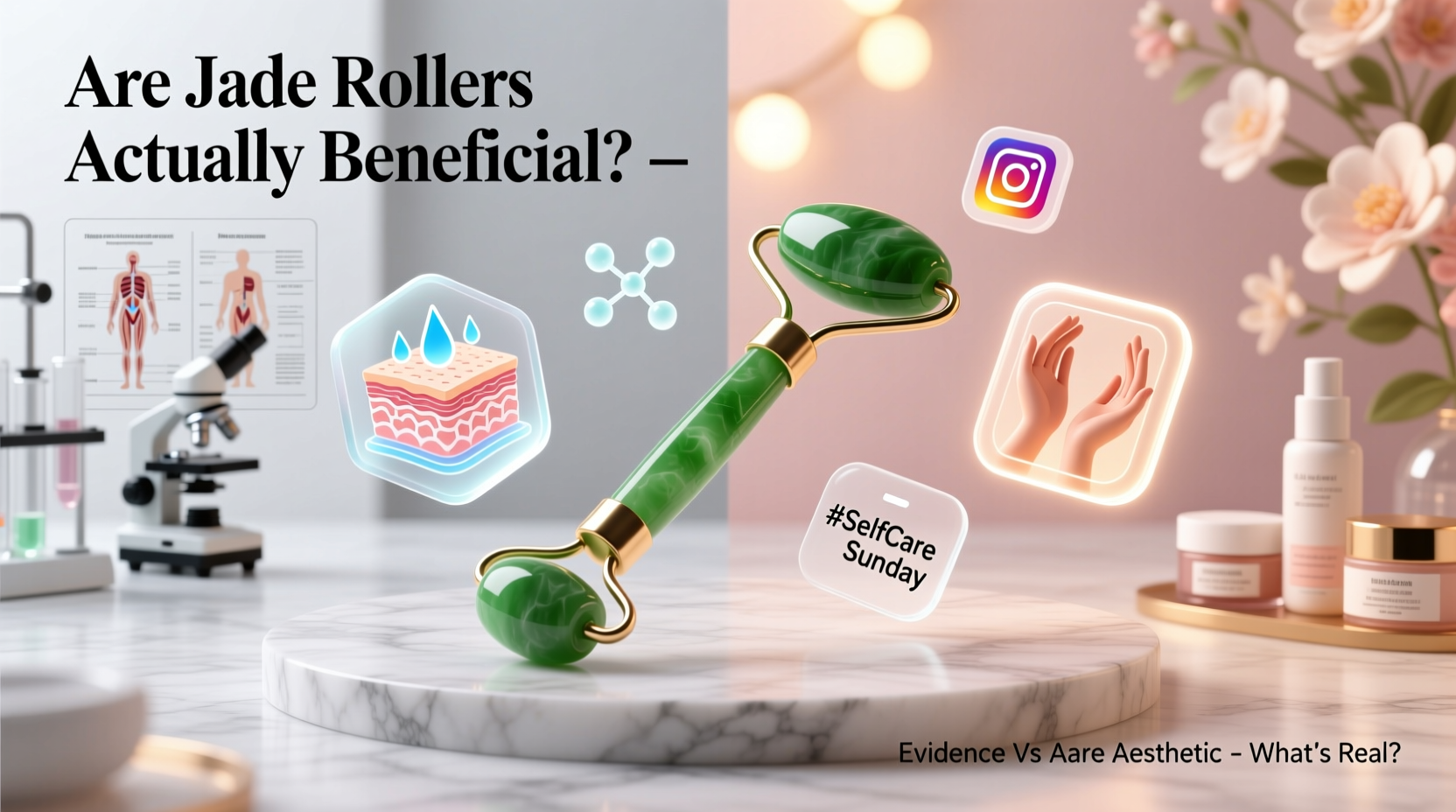
In recent years, the jade roller has become a fixture on Instagram feeds, beauty influencer shelves, and bathroom vanities around the world. Touted as a tool for glowing skin, reduced puffiness, and even anti-aging benefits, it’s easy to see why this cool, smooth stone has captured the imagination of skincare enthusiasts. But behind the aesthetic appeal and viral unboxing videos lies a critical question: Are jade rollers actually beneficial, or are they little more than photogenic props with minimal real-world impact?
The truth is nuanced. While jade rollers aren’t miracle devices capable of replacing medical-grade treatments, they do offer subtle yet meaningful benefits when used correctly. Understanding their actual effects—backed by physiology, not just marketing—can help separate genuine skincare value from fleeting trends.
The Origins and Cultural Significance
Jade rollers trace their roots to traditional Chinese medicine (TCM), where jade has long been revered for its healing and balancing properties. Historically, jade was believed to promote longevity, harmony, and detoxification. In facial therapy, practitioners used stone tools to stimulate energy flow along meridians, improve circulation, and support lymphatic drainage.
While modern science doesn’t validate all TCM principles in a clinical sense, some of the physiological mechanisms involved—such as increased blood flow and manual lymphatic stimulation—are well-documented. The contemporary jade roller, typically made from natural jade or sometimes rose quartz, leverages these ancient concepts but within a 21st-century wellness context.
Today’s versions usually feature a larger stone for cheeks and forehead and a smaller one for under-eye and nasal areas, designed to follow facial contours. Despite their popularity in Western beauty culture, it’s important to recognize that their original purpose wasn’t vanity-driven—it was rooted in holistic health practices.
What Science Says About Facial Rolling
There is limited peer-reviewed research specifically on jade rollers, but studies on facial massage and lymphatic drainage provide relevant insights. A 2020 study published in *Clinical, Cosmetic and Investigational Dermatology* found that regular facial massage improved skin elasticity and microcirculation, suggesting that mechanical stimulation can positively influence skin tone and texture.
Lymphatic drainage, one of the most commonly cited benefits of jade rolling, involves gently moving fluid buildup out of facial tissues. This can reduce morning puffiness, especially around the eyes. According to Dr. Michelle Henry, a board-certified dermatologist in New York, “Facial massage can assist in redirecting stagnant lymph fluid, which contributes to temporary swelling. It won’t replace diuretics or treat medical conditions, but for cosmetic de-puffing, it can be effective.”
The cooling effect of a refrigerated jade roller adds another layer of benefit. Cold therapy constricts blood vessels, which may temporarily minimize redness and inflammation. This makes it particularly useful post-sun exposure or after procedures like chemical peels.
“Any form of facial massage, including with tools like jade rollers, can enhance product absorption and support circulation—but expectations must be realistic. They complement routines; they don’t transform them overnight.” — Dr. Hadley King, Clinical Instructor of Dermatology at Weill Cornell Medical College
Actual Benefits vs. Marketing Hype
Let’s distinguish between what jade rollers can realistically achieve versus the exaggerated claims often seen online.
Tip: For enhanced cooling and depuffing effects, store your jade roller in the refrigerator for at least 20 minutes before use.| Claimed Benefit | Scientifically Supported? | Reality Check |
|---|---|---|
| Reduces wrinkles | No direct evidence | No structural change to collagen; any improvement is temporary via increased circulation. |
| Detoxifies skin | Misleading term | Skin doesn’t “detox” like the liver; lymphatic drainage helps remove excess fluid, not toxins. |
| Improves product absorption | Partially supported | Gentle pressure may push serums deeper into epidermis, though evidence is anecdotal. |
| Reduces facial puffiness | Yes | Manual lymphatic drainage techniques show measurable reduction in fluid retention. |
| Firms sagging skin | No long-term data | Temporary toning from increased blood flow, but no lifting effect comparable to RF or ultrasound. |
| Calms acne and redness | Conditionally | Cooling reduces inflammation, but rolling over active breakouts may spread bacteria. |
The most consistent advantage users report is improved skin radiance and a soothing ritualistic experience. Stress reduction alone can positively affect skin health—chronic stress increases cortisol, which exacerbates acne and accelerates aging. A two-minute rolling session can serve as a mindfulness practice, integrating breath and touch to create a moment of daily self-care.
How to Use a Jade Roller Effectively
Using a jade roller incorrectly can diminish benefits or even cause irritation. To maximize results, follow this step-by-step guide based on dermatological recommendations and facial anatomy.
- Cleanse first: Always start with a clean face to prevent pushing dirt into pores.
- Apply a serum or oil: Use a slippery base like hyaluronic acid serum or facial oil to allow smooth gliding.
- Begin at the center: Start from the middle of the face and roll outward—this follows lymphatic pathways toward the ears and neck.
- Use upward motions: Roll from chin to jawline, nose to temples, and brow to hairline. Avoid tugging downward.
- Focus on high-puff areas: Under eyes and jaw require gentle pressure. Use the small end for precision.
- Don’t forget the neck: Finish by rolling down the sides of the neck to encourage full drainage.
- Sanitize regularly: Wipe with a soft cloth dampened with mild soapy water after each use.
Frequency matters. For noticeable effects, aim for 3–5 sessions per week. Daily use is safe if done gently. Overuse or excessive pressure can lead to micro-tears or broken capillaries, especially in sensitive skin types.
A Real Example: Sarah’s Morning Routine
Sarah, a 34-year-old graphic designer from Portland, struggled with chronic under-eye puffiness due to seasonal allergies and screen fatigue. She purchased a jade roller after seeing it recommended in a wellness newsletter. Skeptical at first, she committed to using it every morning for two weeks alongside her vitamin C serum.
Within ten days, she noticed reduced morning swelling and smoother makeup application. “It’s not dramatic,” she said, “but my skin looks less tired. Plus, taking those three minutes forces me to slow down before starting work.” Her dermatologist confirmed that while the roller wasn’t treating the root cause of puffiness, the consistent lymphatic movement helped manage symptoms non-invasively.
Common Mistakes to Avoid
- Rolling too hard: Pressure should be light—imagine you’re brushing a ripe peach.
- Using on broken or infected skin: Can spread bacteria or irritate acne lesions.
- Skipping cleaning: Bacteria buildup can lead to breakouts.
- Expecting instant results: Benefits accumulate over time, not overnight.
- Using only dry skin: Without a glide medium, friction damages the skin barrier.
Checklist: Optimizing Your Jade Roller Practice
✅ Your Jade Roller Success Checklist:- Face is cleansed and prepped with a serum or oil
- Hands and roller are clean
- Starting from the center, rolling outward toward lymph nodes
- Using upward and outward motions only
- Applying gentle pressure—no pulling or tugging
- Spending extra time on puffy areas (under eyes, jawline)
- Finishing with neck drainage
- Washing the roller after use with mild soap
- Storing in a clean case, preferably chilled
Expert Verdict: Worth It or Wellness Theater?
When asked whether jade rollers are worth incorporating into a skincare regimen, experts agree: yes, but with caveats. “They’re low-risk, potentially beneficial, and psychologically rewarding,” says Dr. Ranella Hirsch, a Boston-based dermatologist and former president of the American Society of Cosmetic Dermatology & Aesthetic Surgery. “The ritual itself promotes consistency in skincare, which is half the battle.”
However, she warns against viewing them as substitutes for proven treatments like retinoids, sunscreen, or professional facials. “If someone spends $50 on a jade roller but skips SPF, they’re missing the bigger picture.”
The placebo effect also plays a role. If using a jade roller makes someone feel more connected to their self-care routine, adherence to other healthy habits often improves. That indirect benefit shouldn’t be dismissed—even if the tool itself provides modest physiological changes.
Frequently Asked Questions
Can I use a jade roller if I have acne?
Yes, but with caution. Avoid rolling directly over active, inflamed pimples or cysts, as this can spread bacteria or worsen inflammation. Use only on clear areas and ensure the roller is sanitized before and after use. For oily or acne-prone skin, pair it with non-comedogenic oils or gel-based serums.
Does the type of stone matter—jade vs. rose quartz?
Not significantly from a functional standpoint. Jade is slightly cooler and denser, which may enhance depuffing. Rose quartz is softer and associated with emotional healing in crystal therapy, though there’s no scientific basis for this. Both materials offer similar gliding properties. Choose based on preference, authenticity, and budget.
How long does a jade roller last?
With proper care, a high-quality jade roller can last indefinitely. Signs of wear include chipping, discoloration, or loose joints. Replace if the stone cracks or becomes difficult to clean. Store it in a protective pouch away from hard surfaces to prevent damage.
Final Thoughts: Beauty Tool or Mindful Ritual?
The jade roller occupies an interesting space between ancient tradition, modern aesthetics, and evidence-based skincare. While it won’t erase deep wrinkles or cure hormonal breakouts, it offers tangible benefits: reduced puffiness, improved circulation, enhanced product penetration, and a calming daily ritual.
Its Instagrammability hasn’t undermined its utility—in fact, the visibility has sparked broader conversations about facial massage, lymphatic health, and intentional skincare. When used mindfully and consistently, it becomes more than a photo prop; it becomes a tactile reminder to pause, breathe, and care for oneself.
Ultimately, the value of a jade roller isn’t measured solely in tighter pores or brighter skin. It’s reflected in the quiet moments of connection between hand and face, in the deliberate act of nurturing rather than fixing. In a world obsessed with quick fixes and filtered perfection, that might be the most beneficial effect of all.
💬 Have you tried a jade roller? Did you notice a difference, or was it just another trendy tool? Share your experience in the comments and help others decide whether to roll with the trend—or let it go.








