
In the past decade, anime has evolved from a niche interest into a global cultural phenomenon. One of the most powerful vehicles behind this surge in popularity isn’t just compelling storylines or character design—it’s the music. Specifically, anime opening themes (OPs) have become breakout hits, transcending language barriers and landing on international streaming charts, TikTok trends, and even mainstream radio. Songs like \"Gurenge\" by LiSA and \"Kick Back\" by Kenshi Yonezu didn’t just open shows—they opened doors to global recognition for Japanese animation and its creators.
The virality of these tracks isn’t accidental. It’s a convergence of emotional storytelling, high-energy production, visual synergy, and digital accessibility. When an anime OP captures lightning in a bottle, it becomes more than an introduction—it becomes a cultural moment.
The Anatomy of a Viral Anime Opening Theme
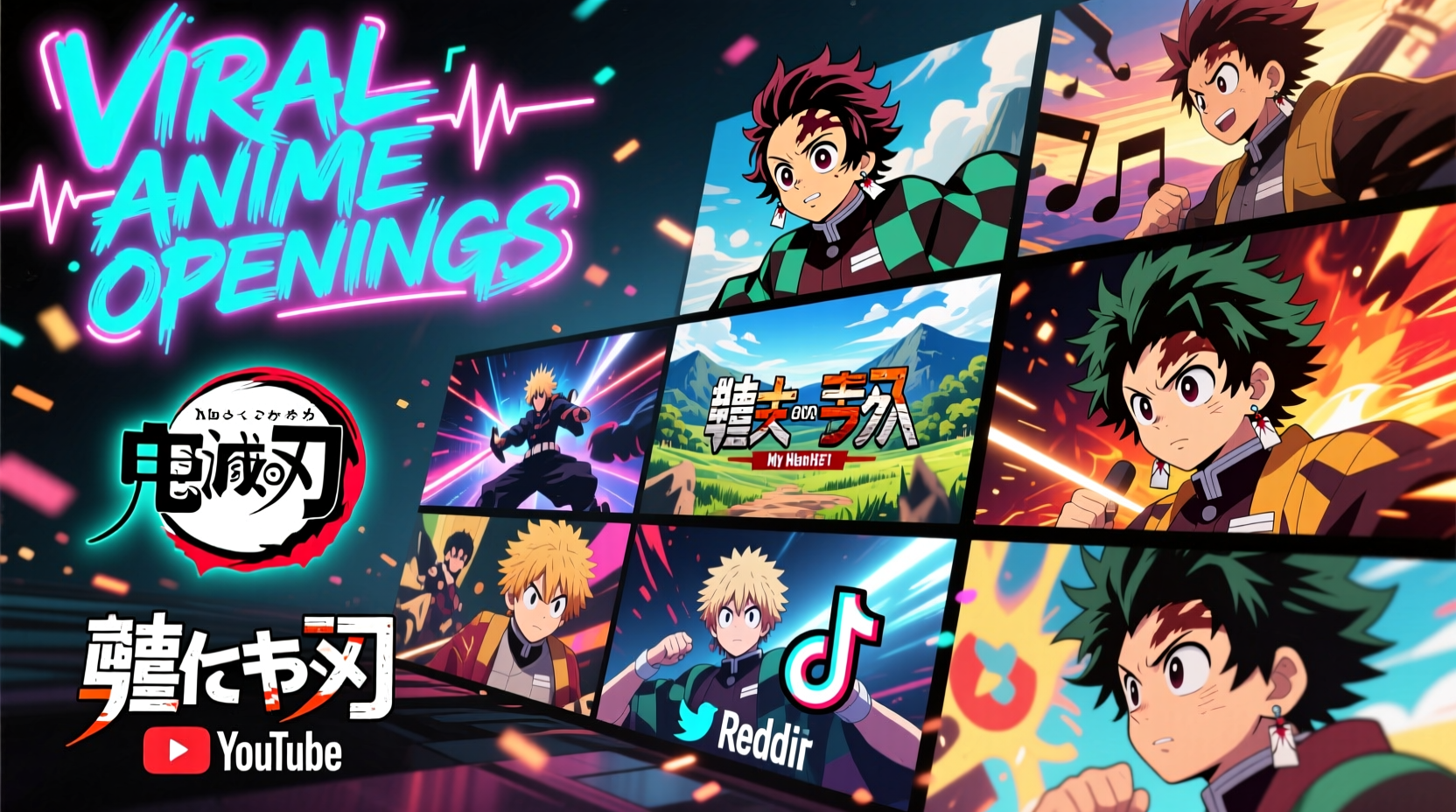
What separates a forgettable intro from one that spreads across continents? Several elements consistently appear in anime openings that achieve global traction:
- Immediate Impact: Most anime OPs are only 90 seconds long before the episode begins. To make an impression fast, they start strong—often with a punchy beat, dramatic vocal line, or arresting visual cue within the first five seconds.
- Synergy with Visuals: The animation accompanying the theme is not just background; it's narrative foreshadowing. Iconic sequences—like Tanjiro’s breath techniques in *Demon Slayer* or Denji’s chaotic sprint in *Chainsaw Man*—embed themselves in viewers’ memories.
- Emotional Resonance: Whether it’s hope, defiance, sorrow, or adrenaline, the best OPs evoke strong feelings. This emotional hook makes people want to replay the song, share it, or use it in their own content.
- Streaming-Friendly Production: Modern anime themes often blend J-rock, pop-punk, hip-hop, or electronic influences—genres that already have global audiences. These sounds integrate seamlessly into playlists alongside Western artists.
“The opening theme is the handshake between the show and the viewer. If it’s confident, energetic, and emotionally charged, you’re already invested.” — Akira Tanaka, Anime Music Producer at Aniplex
Cultural Crossover: How Language Barriers Were Overcome
For decades, non-Japanese speakers hesitated to engage with Japanese-language media due to perceived inaccessibility. But today, millions enjoy anime OPs without understanding a single word. This shift reflects broader changes in how global audiences consume music.
Platforms like YouTube, Spotify, and TikTok prioritize mood, rhythm, and aesthetic over lyrics. A song like “Idol” by YOASOBI—the opening to *Oshi no Ko*—became a global sensation despite being entirely in Japanese. Its synth-driven melody, haunting vocals, and provocative choreography made it ideal for short-form video content.
TikTok, in particular, became a launchpad. Users began syncing dance routines, cosplay reveals, and emotional edits to snippets of viral anime themes. Within weeks, “Idol” had over half a million user-generated videos, propelling it onto Billboard’s Global Excl. U.S. chart.
Tip: Pay attention to the first 10 seconds of any anime OP—if it grabs you instantly, it’s engineered for virality.Case Study: \"Gurenge\" by LiSA – From Anime Intro to Arena Anthem
When *Demon Slayer: Kimetsu no Yaiba* premiered in 2019, few predicted it would become a billion-dollar franchise. But from the very first episode, one element stood out: the opening theme “Gurenge” by LiSA.
The song blends rock intensity with traditional Japanese melodic phrasing. Its lyrics speak of perseverance and inner fire—themes central to protagonist Tanjiro Kamado’s journey. Visually, the OP features swirling flames, water ripples, and sword strikes synchronized perfectly to the beat.
Within three months, “Gurenge” surpassed 100 million views on YouTube. It topped Japan’s Oricon charts and later reached Western audiences through Netflix and Crunchyroll. By 2020, LiSA performed the song live at the Tokyo Dome—and clips went viral on Twitter and Reddit.
What made “Gurenge” stick?
- Relatability: The message of fighting through hardship resonated during a global pandemic.
- Replay Value: The chorus is both anthemic and chant-like, making it easy to sing along—even phonetically.
- Merchandising Amplification: The success of the manga and movie (*Mugen Train*) boosted awareness of the song organically.
This case illustrates a new model: anime music no longer supports the show—it can drive the show’s success.
Top 5 Viral Anime Openings and Why They Spread
| Anime | Opening Theme | Artist | Key Reason for Virality |
|---|---|---|---|
| Demon Slayer | Gurenge | LiSA | Emotional intensity + perfect sync with animation |
| Chainsaw Man | Kick Back | Kenshi Yonezu | Genre-blending sound (rock/hip-hop) + TikTok meme potential |
| Oshi no Ko | Idol | YOASOBI | Controversial narrative + hypnotic beat ideal for reels |
| Jujutsu Kaisen | Asa no Uta | Queen Bee | Powerful female vocals + striking red-and-black visuals |
| Attack on Titan | Guren no Yumiya | Linked Horizon | Epic scale, multilingual lyrics, cinematic feel |
Each of these songs achieved something rare: they became standalone works of art, appreciated outside the context of their series. “Guren no Yumiya,” for instance, was played at sports arenas and protest marches—not because fans were promoting anime, but because the song itself carried weight.
How Streaming Platforms Accelerated the Trend
The rise of anime OP virality coincides directly with the growth of global streaming services. Where once fans had to download episodes from obscure forums, now platforms like Crunchyroll, Netflix, and Disney+ deliver same-day releases worldwide.
This synchronization means that when a new season drops, millions hear the new OP simultaneously. Algorithms then kick in: Spotify recommends “Kick Back” to fans of Imagine Dragons; YouTube suggests “Idol” to those watching K-pop choreography.
Moreover, official anime music channels upload full audio and lyric videos optimized for search. A simple query like “best anime opening 2023” leads users directly to professionally produced content—no piracy required.
“We now compose with global platforms in mind. The opening isn’t just for episode one—it’s a promotional tool that lives forever on Spotify and TikTok.” — Ryo Fujii, Composer at MAPPA Studios
Checklist: What Makes an Anime OP Shareable in 2024?
Actionable Checklist: Use this guide when evaluating or creating anime themes for maximum reach.
- ✅ Starts strong within the first 5 seconds
- ✅ Features a memorable, repeatable chorus
- ✅ Matches key visuals or plot points from the series
- ✅ Incorporates modern, cross-genre musical elements
- ✅ Is available on major streaming platforms within 24 hours of release
- ✅ Has clear licensing for fan covers and short-form use
- ✅ Evokes a strong emotional response (empowerment, nostalgia, excitement)
Behind the Scenes: The Role of Artists and Labels
Viral success also depends on artist visibility and label strategy. In the past, anime musicians were often anonymous session performers. Today, they are marketed as stars.
LiSA, Kenshi Yonezu, and YOASOBI are household names in Japan—and increasingly abroad. Their involvement signals quality and draws existing music fans to the anime. When Kenshi Yonezu released “Kick Back” as the *Chainsaw Man* OP, his 5 million Twitter followers helped amplify the track instantly.
Record labels now coordinate global rollouts: releasing singles ahead of episodes, partnering with influencers, and submitting tracks to editorial playlists. Some even commission English versions or instrumental remixes to broaden appeal.
Frequently Asked Questions
Why do some anime openings go viral while others don’t?
Virality often comes down to timing, emotional impact, and platform readiness. A song released during a cultural moment—like a global crisis or rising interest in anime—has higher chances. Additionally, tracks designed for engagement (easy to lip-sync, dance to, or edit) spread faster.
Can an anime succeed solely because of its opening theme?
While no show survives on music alone, a viral OP can significantly boost viewership. *Chainsaw Man* saw a 40% increase in new subscribers during its first week, largely attributed to “Kick Back.” The theme acted as a gateway for casual listeners who later became fans of the series.
Are artists paid extra if their anime OP goes viral?
Standard contracts usually include flat fees for theme usage, but backend royalties from streams and downloads do accrue. In cases of massive success, artists may negotiate bonuses or renewed contracts. Long-term, the exposure often leads to higher concert ticket sales and brand partnerships.
Step-by-Step: How a Typical Viral Anime OP Gains Momentum
- Pre-Launch Hype: Teaser clips of the OP are shared on social media two weeks before release.
- Simultaneous Global Drop: The episode and full theme debut across all regions via streaming platforms.
- Algorithmic Discovery: Viewers watch, rewatch, and engage—triggering recommendations on YouTube, Spotify, and TikTok.
- Fan Content Explosion: Memes, dances, reaction videos, and AMVs (anime music videos) flood social media.
- Mainstream Crossover: Media outlets write about the trend; DJs play remixes; sports events use the track.
- Sustained Chart Performance: The song remains on global charts for weeks, supported by continued engagement.
This cycle repeats with each new hit, refining the formula for future success.
Conclusion: The Future of Anime Music is Global
Anime opening themes are no longer just preludes to stories—they are stories in themselves. As digital culture flattens geographic boundaries, music has become one of Japan’s most effective soft power tools. A well-crafted OP can introduce millions to Japanese language, aesthetics, and values without a single line of dialogue.
The artists, animators, and producers behind these themes are crafting more than entertainment; they’re building bridges. And as long as there are compelling narratives set to unforgettable melodies, the world will keep hitting replay.
💬 Which anime opening theme first drew you into the world of anime? Share your story in the comments—your favorite OP might inspire someone else’s journey.








