For runners with wider feet, finding the right balance between comfort, performance, and style can be a challenge. Many standard running shoes are designed with narrow footbeds, leading to discomfort, blisters, or even long-term foot issues. Fortunately, the market has evolved, and today’s wide-running shoe options combine supportive engineering with modern aesthetics—all at accessible price points. Whether you're logging miles on pavement or hitting the trails, this guide highlights top-performing, budget-friendly, and fashion-forward wide-width running shoes that deliver where it matters most.
Why Wide Running Shoes Matter
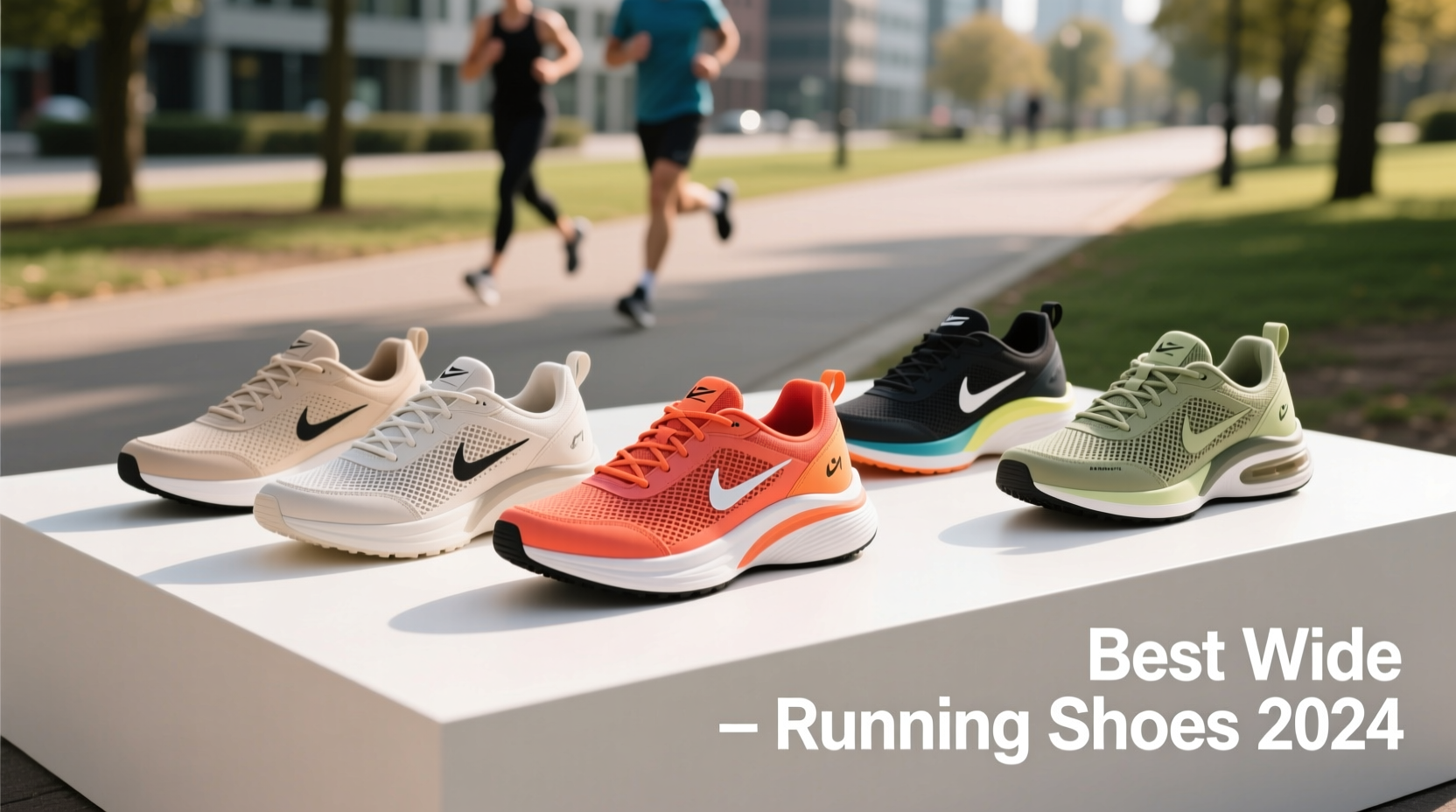
Running in shoes that don’t accommodate your natural foot width can compromise both form and function. A cramped toe box forces toes into unnatural positions, increasing pressure on joints and reducing stability. Over time, this may lead to conditions like bunions, neuromas, or plantar fasciitis. Conversely, properly fitted wide shoes allow for natural splay during impact, improving balance, reducing fatigue, and enhancing overall stride efficiency.
Dr. Lena Torres, a podiatrist specializing in sports medicine, emphasizes:
“Foot health starts with proper fit. For runners with wider forefeet or midfeet, choosing a true wide-width option isn’t just about comfort—it’s injury prevention.”
Many brands now offer extended widths (2E, 4E, or even 6E), ensuring better biomechanical alignment without sacrificing breathability, cushioning, or responsiveness.
Top Affordable Picks for Wide Running Shoes
Performance doesn’t have to come at a premium. These models deliver excellent value under $100 while maintaining durability, support, and roomy interiors.
| Model | Width Options | Price Range | Key Features |
|---|---|---|---|
| Brooks Adrenaline GTS 22 (Wide) | 2E, 4E | $95–$110 | GuideRails support system, DNA Loft cushioning, durable outsole |
| New Balance 860v13 (Wide) | 2E, 4E | $95 | Medial post for overpronation, blown rubber outsole, breathable mesh |
| Saucony Triumph 20 (Wide) | 2E, 4E | $110 (often discounted to $89) | PWRRUN+ foam, plush collar, engineered knit upper |
| ASICS Gel-Nimbus 25 (2E only) | 2E | $95 (on sale) | GEL cushioning rearfoot/midfoot, FlyteFoam midsole, ComforDry sockliner |
| Altra Torin 7 Plush (Wide) | True wide (foot-shaped toe box) | $130 (frequent sales at $99) | Balanced cushioning, zero-drop platform, FootShape design |
Stylish Designs That Don’t Sacrifice Function
Modern wide running shoes no longer look bulky or outdated. Designers have embraced sleek silhouettes, vibrant colorways, and premium materials, proving that performance and aesthetics can coexist.
- Hoka Clifton 9 Wide: Known for its lightweight build and maximalist cushioning, this model comes in elegant two-tone finishes like slate gray with coral accents—ideal for runners who want standout style without drawing attention to fit accommodations.
- Nike Pegasus 40 Wide: One of Nike’s most popular daily trainers, available in 2E width. Its streamlined mesh upper and bold swoosh detailing maintain brand appeal while offering improved toe-box space over previous versions.
- On Cloudmonster Wide (Limited Availability): Though not all widths are widely stocked, select retailers carry 2E sizes. The futuristic Swiss design and responsive Helion™ foam make it a favorite among fashion-conscious runners seeking speed and flair.
These models demonstrate that inclusive sizing is becoming a standard—not an afterthought—in athletic footwear innovation.
How to Choose the Right Wide Running Shoe: A Step-by-Step Guide
Selecting the best wide running shoe involves more than just going up a size. Follow this process to ensure optimal fit and performance:
- Measure Your Feet Accurately: Use a Brannock device or visit a specialty running store. Measure both length and width late in the day when feet are slightly swollen.
- Determine Your Foot Type: Are you flat-footed, neutral, or high-arched? This affects whether you need motion control, stability, or neutral cushioning.
- Try Before You Buy: Always test shoes in-store if possible. Walk and jog in them; ensure there’s half a thumb’s width between your longest toe and the end of the shoe.
- Check the Toe Box Shape: Look for anatomical designs that mirror natural foot shape rather than tapering sharply.
- Break Them In Gradually: Start with short runs (2–3 miles) to assess comfort and break-in time before using them for long distances.
Real Runner Experience: Maria’s Journey to Comfort
Maria Lopez, a recreational runner from Austin, struggled for years with pain in her big toes after every run. She assumed it was normal until she visited a gait analysis clinic. “They showed me video footage of my feet compressing inside narrow shoes,” she recalls. “It looked painful—and it was.”
After switching to New Balance 1080v12 in 4E width, Maria noticed immediate improvement. “The difference was night and day. My toes could spread naturally, and I stopped getting black toenails.” More importantly, her pace improved. “I wasn’t fighting against my shoes anymore.”
Now an advocate for proper fit, Maria recommends wide-width trials to every new runner she meets. “You wouldn’t wear narrow dress shoes all day. Why do it while running?”
What to Avoid When Buying Wide Running Shoes
Even with good intentions, common mistakes can undermine your search. Here's what not to do:
| Don't | Do Instead |
|---|---|
| Size up in length to compensate for narrow width | Select true wide sizes (e.g., 10 2E instead of 11 regular) |
| Assume all \"wide\" labels mean the same thing | Compare specific measurements—some brands run narrower than others |
| Ignore heel slippage in wide fits | Look for padded collars or adjustable lacing zones to lock down the heel |
| Buy based solely on appearance | Test functionality first—color and design should be secondary to fit |
Frequently Asked Questions
Are wide running shoes only for people with medical conditions?
No. Many individuals naturally have wider feet due to genetics, age-related changes, or swelling during activity. Wearing appropriately sized shoes benefits anyone seeking comfort and injury prevention, regardless of diagnosis.
Can I return wide shoes if they don’t fit right?
Most reputable running retailers—including Road Runner Sports, JackRabbit, and Zappos—offer 30- to 60-day return windows, even for worn shoes. Always check the policy before purchasing.
Do wide shoes wear out faster?
Not inherently. Durability depends on materials, mileage, and surface type. However, a well-fitted wide shoe may actually last longer because it reduces internal friction and stress points caused by poor fit.
Final Thoughts: Run Freely, Fit Right
Finding great wide running shoes no longer means compromising on price or style. From supportive stalwarts like Brooks and New Balance to sleek innovators like Hoka and Altra, today’s market offers diverse choices tailored to real runners’ needs. Prioritizing fit isn’t a limitation—it’s empowerment. When your feet move naturally, your stride becomes more efficient, your runs feel easier, and your confidence grows.
The next time you shop, remember: affordability and aesthetics are important, but nothing beats the freedom of a perfect fit. Explore wide-width options with intention, try them mindfully, and experience what running truly feels like when your feet have room to thrive.
💬 Have a favorite wide running shoe? Share your go-to model and why it works for you—your insight could help another runner find their ideal fit!








