For many cyclists, stepping into the world of road biking doesn’t require a five-figure investment. With advancements in frame materials, component technology, and global manufacturing, it’s now possible to find high-performing road bikes under $1,000 that rival models costing twice as much. Whether you're commuting, training, or exploring weekend routes, the right sub-$1,000 road bike can deliver speed, comfort, and durability without draining your budget.
This guide cuts through the noise to spotlight real-world models that balance value, build quality, and long-term reliability. We’ll also break down what to look for, how to avoid common pitfalls, and share insights from experienced riders and industry experts.
What Makes a Road Bike Worth Under $1,000?
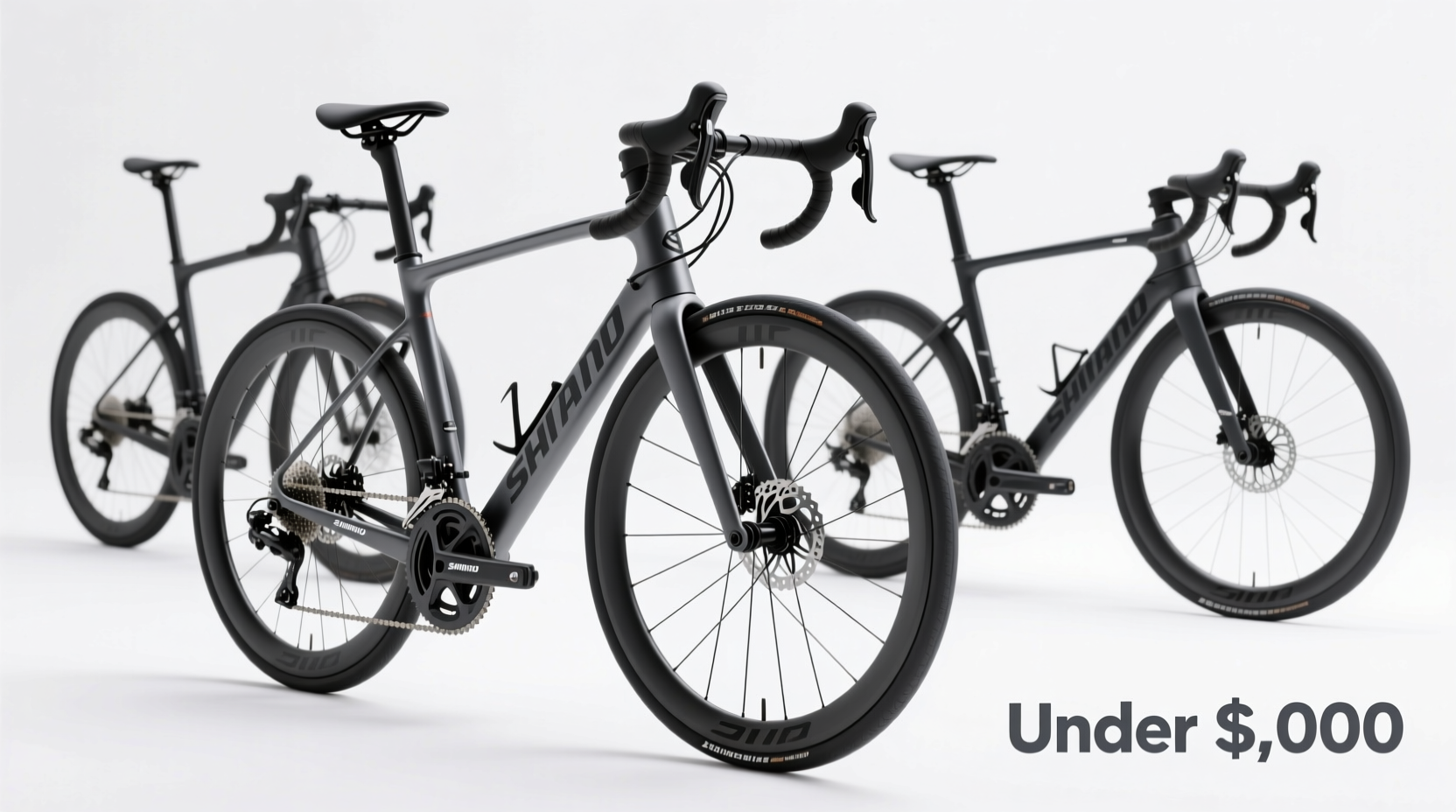
A great road bike at this price point should offer more than just basic functionality. It needs a lightweight yet durable frame, responsive components, reliable braking, and a geometry that supports both efficiency and comfort over distance. While carbon fiber frames are rare in this range, modern aluminum alloys—especially when hydroformed—can provide excellent stiffness-to-weight ratios and vibration damping.
Drivetrains typically come from Shimano’s Claris, Sora, or Tiagra lines, or comparable offerings from SRAM. These groupsets have improved dramatically in recent years, offering crisp shifting and solid longevity. Mechanical disc brakes are increasingly standard, providing consistent stopping power in all weather conditions—a major upgrade over older rim brake models.
Tip: Prioritize frame material and wheel quality over flashy branding. A well-built aluminum frame with double-wall wheels will outperform a heavier, poorly spec’d \"premium\" label.Top 5 Road Bikes Under $1,000 (2024)
The following models stand out based on performance reviews, owner feedback, and long-term reliability data. Each delivers strong value with minimal compromises.
| Bike Model | Frame Material | Groupset | Brakes | Price Range |
|---|---|---|---|---|
| Trek Domane AL 3 | Alpha Aluminum | Shimano Claris 8-speed | Flat-mount disc | $850–$950 |
| Giant Contend 3 | ALUXX Grade 2 Aluminum | Shimano Claris 8-speed | Hydraulic disc | $750–$850 |
| Cannondale Synapse AL Disc 3 | Synapse SmartForm C2 Alloy | Shimano Sora 9-speed | Mechanical disc | $900–$980 |
| Specialized Allez Sport | E5 Premium Aluminum | Shimano Claris 8-speed | Rim brakes | $800–$875 |
| State Bicycle Co. 4130 All-Road | Chromoly Steel | MicroSHIFT Advent / SRAM Apex | Hydraulic disc | $899–$999 |
The **Trek Domane AL 3** leads the pack for endurance riding, with a compliance-focused design that smooths out rough roads. The **Giant Contend 3** offers hydraulic disc brakes at an aggressive price, making it ideal for wet climates. Meanwhile, the **Cannondale Synapse AL** brings near-pro-level geometry and handling, while the **Specialized Allez Sport** shines in acceleration and sprint responsiveness thanks to its stiff rear triangle. The **State Bicycle 4130**, though slightly heavier, provides unmatched durability and versatility for mixed-surface use.
Key Features to Look For
When shopping under $1,000, certain features significantly impact long-term satisfaction. Here's what matters most:
- Frame Material: Aluminum is standard here. Look for butted or hydroformed tubing to reduce weight and improve ride quality.
- Disc Brakes: Hydraulic systems offer better modulation and require less maintenance than mechanical ones. Even mechanical discs beat rim brakes in rain or mud.
- Wheelset Quality: Double-wall rims with sealed cartridge bearings in hubs ensure longevity and smoother rolling.
- Groupset Tier: Aim for at least Shimano Claris (8-speed) or Sora (9-speed). Avoid no-name or unbranded drivetrains.
- Geometry: Endurance geometry (slightly taller head tube, relaxed angles) suits most riders. Aggressive race geometry may cause discomfort over time.
“Under $1,000 isn’t a limitation—it’s a challenge. The best bikes in this range prove that smart engineering beats big budgets.” — Marcus Reed, Senior Editor at *Cycling Value Report*
Step-by-Step Guide: Buying Your First Road Bike Under $1,000
Follow this timeline to make a confident, informed purchase:
- Define Your Riding Goals (Week 1): Will you commute, train, or explore paved trails? This affects frame type and tire clearance needs.
- Set a Realistic Budget (Day 2): Include taxes, assembly fees, and essential accessories like helmet, lock, and lights.
- Research Models (Days 3–7): Read verified owner reviews on retailer sites and forums like Reddit’s r/bicycletouring or BikeForums.net.
- Test Ride If Possible (Week 2): Visit local shops even if buying online. Frame size and fit are personal; a demo can save costly returns.
- Purchase and Assemble (Week 3): Buy from brands with good warranty support. Have the bike tuned by a mechanic after the first 200 miles.
- Break-In & Maintenance (Ongoing): Lubricate the chain weekly, check tire pressure before every ride, and inspect bolts monthly.
Real Example: How Sarah Found Her Perfect Commuter
Sarah, a teacher in Portland, needed a reliable way to commute 12 miles daily through rainy winters. She set a firm $900 limit and prioritized safety and low maintenance. After weeks of research, she chose the Giant Contend 3 for its hydraulic disc brakes and wide tire clearance. “I was skeptical about buying online,” she said, “but the local shop assembled it for $75, and now I’m riding year-round without slipping on wet pavement.” Two years later, her only upgrades were wider 32mm tires and fenders—proof of the bike’s adaptability.
Common Mistakes to Avoid
Even experienced buyers can misstep. Watch out for these traps:
- Overlooking Fit: A cheap bike that fits well is safer and more efficient than an expensive one that doesn’t.
- Ignoring After-Sales Support: Brands like Trek and Giant offer lifetime frame warranties and dealer networks.
- Buying Used Without Inspection: Older carbon frames may have hidden cracks. Stick to reputable sellers or certified pre-owned programs.
- Skipping Essential Gear: A $900 bike with no helmet or lights is not ready to ride.
Frequently Asked Questions
Can I upgrade components later?
Yes—most bikes under $1,000 are designed with future upgrades in mind. You can swap wheels, handlebars, saddles, and even groupsets over time. Starting with a solid frame allows incremental improvements without replacing the entire bike.
Are online-only brands worth it?
Some are. Brands like State Bicycle Co. and Canyon offer direct-to-consumer pricing that cuts retail markup. However, ensure they provide clear sizing guides, crash replacement policies, and customer service channels before buying.
Is aluminum frame durability a concern?
No. Modern aluminum frames undergo rigorous fatigue testing. Unlike steel, aluminum doesn’t rust, and unlike carbon, it’s less prone to impact damage. With regular care, a quality aluminum road bike can last 10+ years.
Final Checklist Before You Buy
- ✅ Verified correct frame size using brand’s size chart
- ✅ Confirmed availability of spare parts (e.g., fork, derailleur hanger)
- ✅ Checked return policy and shipping costs
- ✅ Researched local mechanic compatibility
- ✅ Budget includes helmet, lights, lock, and basic tools
Conclusion: Ride Smart, Not Just Fast
The best road bikes under $1,000 aren’t hidden gems—they’re thoughtfully engineered machines built for real people with real budgets. From the smooth-riding Trek Domane AL 3 to the rugged versatility of the State Bicycle 4130, today’s market offers exceptional choices that won’t leave you stranded or overspending.
With the right research, attention to fit, and commitment to basic maintenance, your next road bike can be both affordable and dependable. Don’t wait for “someday” to start riding. Choose wisely, stay consistent, and enjoy every mile.
💬 Found a great deal or have experience with one of these models? Share your story in the comments—your insight could help another rider make their best decision yet.








