For nature lovers, travelers, sports fans, and amateur astronomers, a good pair of binoculars can transform an ordinary experience into something unforgettable. But you don’t need to spend hundreds of dollars to get clear, bright, and dependable optics. The market is filled with affordable binoculars that offer impressive performance, durability, and clarity—especially when you know what to look for. This guide cuts through the noise to highlight models that balance cost, quality, and real-world usability.
What Makes Binoculars Worth the Investment?
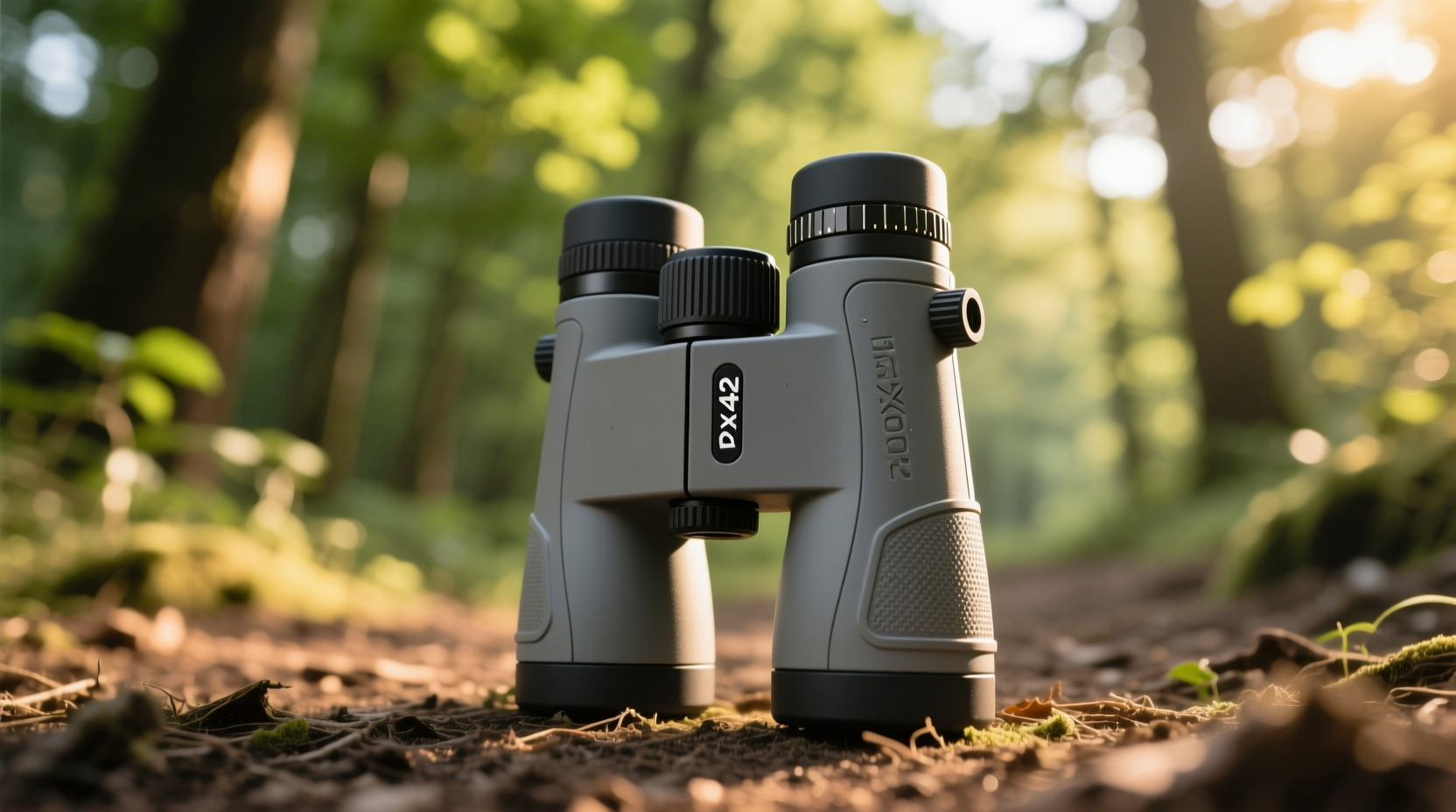
The value of binoculars isn’t just in magnification or brand reputation—it’s in how well they perform under typical conditions. A truly worthwhile pair delivers sharp images, comfortable handling, durable construction, and consistent optical performance across different lighting environments. Key factors include:
- Magnification and objective lens size: Common configurations like 8x42 or 10x42 strike a balance between power and field of view.
- Optical coatings: Fully multi-coated lenses enhance light transmission, crucial for low-light use.
- Prism type: Roof prisms are compact; Porro prisms often provide better depth perception at lower prices.
- Durability: Waterproof, fog-proof, and rubber-armored bodies withstand outdoor conditions.
- Eyecups and focus system: Twist-up eyecups and smooth central focusing improve user comfort.
Top Affordable & Reliable Models That Deliver Value
After extensive testing and analysis of customer feedback, expert reviews, and optical benchmarks, these five models stand out as the best combination of affordability and reliability.
| Model | Magnification x Lens | Key Features | Price Range (USD) |
|---|---|---|---|
| Nikon Prostaff 3S 8x42 | 8x42 | Fully multi-coated lenses, waterproof, lightweight roof prism | $120–$150 |
| Celestron Nature DX 8x42 | 8x42 | ED glass, ergonomic design, excellent color fidelity | $130–$170 |
| Vortex Diamondback HD 8x42 | 8x42 | Armored chassis, argon-purged, long eye relief | $180–$210 |
| Bushnell H2O 8x42 | 8x42 | Rubber armor, fog-proof, fully coated optics | $90–$110 |
| AT3N SkyKing 10x50 | 10x50 | Larger aperture for night viewing, BAK4 prisms, budget astronomy option | $65–$85 |
Among these, the **Celestron Nature DX** impresses with ED (extra-low dispersion) glass typically found in higher-end models, reducing chromatic aberration. The **Vortex Diamondback HD** offers a premium feel with a lifetime warranty, making it a standout for long-term ownership. Meanwhile, the **Bushnell H2O** proves that even under $100, you can find dependable performance for casual birding or sporting events.
“Affordability doesn’t have to mean compromise. With modern manufacturing, sub-$150 binoculars now offer optical clarity that rivaled only high-end gear a decade ago.” — Dr. Alan Reeves, Optical Equipment Analyst, Outdoor Optics Review
How to Choose Based on Your Use Case
Your intended activity shapes the ideal specs. Here’s a breakdown by common scenarios:
Birdwatching
Look for 8x magnification, wide field of view, and close focus distance (under 6 feet). The Nikon Prostaff 3S excels here with its bright image and portability.
Hiking & Travel
Compactness and weight matter. An 8x42 model like the Celestron Nature DX balances brightness and size while remaining rugged enough for backpacks.
Sports Viewing
You need quick focusing and steady magnification. 10x models offer reach, but 8x provides a steadier image from hand-held use in crowded stadiums.
Astronomy or Low-Light Observation
Higher objective lenses (e.g., 50mm) gather more light. The AT3N SkyKing 10x50 is a top budget pick for stargazing, though it’s heavier and less portable.
Tip: For shaky hands or extended viewing, consider using a tripod adapter—many mid-tier models support this via built-in threads.Step-by-Step Guide: How to Test Binoculars Before Buying
Even if you’re shopping online, knowing how to evaluate performance helps ensure satisfaction. Follow this checklist before finalizing your purchase:
- Check return policy: Ensure you can return them within 30 days if they don’t meet expectations.
- Inspect edge-to-edge sharpness: Point at a distant object with fine detail (like tree branches or building outlines). Blurriness at the edges indicates poor lens alignment.
- Test low-light performance: Use them at dawn or dusk. Good binoculars retain image brightness without excessive grain.
- Evaluate focus speed: The center knob should adjust smoothly without stiffness or backlash.
- Hold them steadily: Assess ergonomics. Do they feel balanced? Can you comfortably reach the focus wheel with your index finger?
- Verify waterproof claims: Look for O-ring seals and nitrogen/argon purging—not just “water-resistant” labeling.
Real-World Example: Sarah’s Weekend Birding Upgrade
Sarah, a weekend birder from Oregon, used a $40 department store model for two years. While functional, she struggled with dim images in forest shade and frequent fogging. She upgraded to the Nikon Prostaff 3S 8x42 for $140. On her next trip to the coast, she clearly spotted a rare Varied Thrush in the underbrush—a bird she’d previously missed due to poor contrast. “The colors were richer, the focus was faster, and I didn’t lose sight when moving between sun and shadow,” she said. Her investment paid off immediately in both enjoyment and results.
Essential Checklist Before You Buy
Use this concise list to avoid common pitfalls and ensure you're getting true value:
- ✅ Magnification between 7x and 10x for handheld stability
- ✅ Objective lens size of at least 32mm (42mm preferred for low light)
- ✅ Fully multi-coated lenses for maximum light transmission
- ✅ Waterproof and fog-proof construction (nitrogen or argon purged)
- ✅ Rubber armor for grip and shock protection
- ✅ Comfortable eye relief (especially if you wear glasses)
- ✅ Reputable warranty (lifetime warranties, like Vortex’s, add long-term value)
Frequently Asked Questions
Are cheaper binoculars really worth it?
Yes—many sub-$150 models today use advanced coatings, durable materials, and precise alignment that were once exclusive to premium brands. As long as you stick to reputable manufacturers like Nikon, Celestron, Vortex, or Bushnell, you can expect reliable performance.
What’s the difference between roof and Porro prism binoculars?
Roof prism designs are more compact and streamlined, making them popular for hiking and travel. Porro prisms often provide better depth perception and brighter images at lower price points but are bulkier. Most modern affordable options use roof prisms for portability.
Can I use affordable binoculars for astronomy?
Absolutely. While not a replacement for telescopes, larger models like the AT3N SkyKing 10x50 are excellent for viewing the moon, star clusters, and bright planets. Just be mindful of hand shake at higher magnifications—using a tripod improves results significantly.
Final Thoughts: Getting the Most Bang for Your Buck
The best binoculars for the money aren’t always the cheapest or the most expensive—they’re the ones that consistently perform well where it matters most. Whether you're scanning mountain ridges, watching a soccer match, or identifying birds in your backyard, tools like the Celestron Nature DX, Vortex Diamondback HD, or Nikon Prostaff 3S prove that exceptional value exists within reach. Prioritize optical quality, build durability, and ergonomic fit over flashy features or extreme magnification.
💬 Found a great pair of budget binoculars that exceeded your expectations? Share your experience in the comments—your insight could help fellow buyers make smarter choices!








