
Seeing yellow or green mucus when you blow your nose can be unsettling. While many assume this color signals a bacterial infection requiring antibiotics, the reality is more nuanced. Mucus color is just one clue in understanding what’s happening inside your respiratory system. This article explores the science behind discolored nasal discharge, identifies common causes, outlines effective treatments, and clarifies when medical attention is necessary.
Why Mucus Changes Color
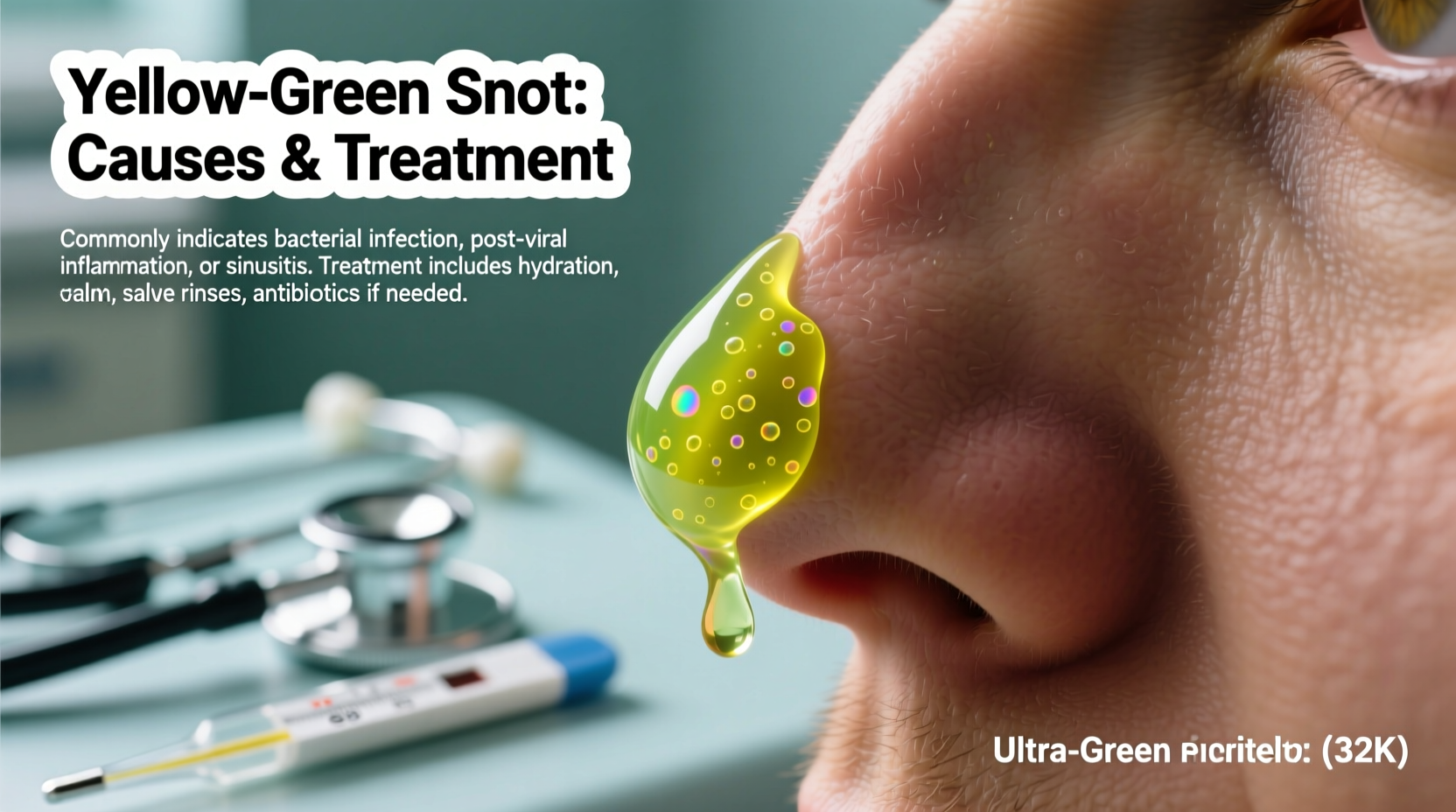
Mucus is produced by the mucous membranes lining your nose, sinuses, and respiratory tract. Its primary role is to trap dust, allergens, and pathogens while keeping tissues moist. Normally, mucus is clear and thin. However, during illness or irritation, its consistency and color can change due to immune activity.
When your body detects an invader—such as a virus or bacteria—white blood cells called neutrophils rush to the site. These cells contain a greenish enzyme called myeloperoxidase. As neutrophils accumulate and die off after fighting infection, they release this enzyme into mucus, turning it yellow or green.
Contrary to popular belief, green snot does not automatically mean you need antibiotics. In fact, most cases of colored mucus are caused by viral infections that resolve on their own.
Tip: Mucus color alone is not a reliable indicator of whether an infection is viral or bacterial. Duration and accompanying symptoms matter more.Common Causes of Yellow and Green Snot
- Viral upper respiratory infections: The most frequent cause. Colds often start with clear mucus that turns yellow or green as the immune response peaks, typically around days 5–7.
- Bacterial sinusitis: Suspected when symptoms persist beyond 10 days without improvement, or worsen after initial recovery (e.g., renewed fever, facial pain).
- Allergies: Can thicken mucus and lead to secondary color changes if postnasal drip causes minor inflammation or stagnation.
- Nasal dryness or irritation: Environmental pollutants, smoke, or dry air may trigger mucus discoloration even without infection.
- Chronic sinus conditions: Conditions like chronic rhinosinusitis may involve persistent discolored discharge due to ongoing inflammation.
“Green mucus is a sign your immune system is working—not necessarily that you need antibiotics.” — Dr. Lisa Chen, Otolaryngologist
When to Worry: Red Flags for Complications
While yellow or green snot is usually benign, certain symptoms suggest a more serious condition needing evaluation:
- Fever lasting more than 3–4 days
- Facial pain or pressure that intensifies
- Symptoms lasting longer than 10 days without improvement
- Swelling around the eyes or forehead
- Difficulty breathing or shortness of breath
- Thick mucus with blood streaks (beyond minor irritation from blowing)
If any of these occur, consult a healthcare provider. Imaging or cultures may be needed to confirm bacterial sinusitis or rule out complications like orbital cellulitis or meningitis—though rare.
Treatment Options Based on Cause
Effective treatment depends on identifying the underlying cause rather than reacting to mucus color alone.
Viral Infections (Most Common)
No specific antiviral treatment exists for the common cold. Focus on symptom relief and immune support:
- Stay hydrated to thin mucus
- Use saline nasal sprays or rinses (e.g., neti pot)
- Rest and maintain nutrition
- Over-the-counter pain relievers (acetaminophen, ibuprofen) for discomfort
- Avoid decongestant sprays for more than 3 days to prevent rebound congestion
Bacterial Sinusitis
Diagnosed clinically, not by mucus color. Criteria include:
- Symptoms lasting >10 days without improvement
- Severe symptoms at onset (high fever, purulent discharge, facial pain)
- Worsening after initial improvement (“double sickening”)
If confirmed, antibiotics like amoxicillin or doxycycline may be prescribed for 5–10 days.
Allergies or Irritants
Address triggers and reduce inflammation:
- Intranasal corticosteroids (fluticasone, mometasone)
- Antihistamines (loratadine, cetirizine)
- Regular use of saline irrigation
- Avoiding smoke, strong perfumes, and allergens
Home Care Checklist for Symptom Relief
Follow this actionable checklist to manage yellow or green snot effectively at home:
- Hydrate with water, herbal teas, or broth—aim for 8–10 glasses daily.
- Perform saline nasal rinses once or twice per day using sterile, distilled, or boiled water.
- Use a humidifier, especially in dry environments or during winter.
- Elevate your head while sleeping to reduce nighttime congestion.
- Avoid smoking and secondhand smoke exposure.
- Gently blow your nose—one nostril at a time—to avoid ear pressure.
- Monitor symptoms daily and note duration and progression.
- Wash hands frequently to prevent spreading germs.
Do’s and Don’ts: Managing Discolored Mucus
| Do | Don't |
|---|---|
| Use saline sprays or rinses regularly | Use antibiotic ointments inside the nose unless prescribed |
| Stay hydrated to keep mucus thin | Take antibiotics without a diagnosis |
| Rest and allow your body to recover | Blow your nose too forcefully |
| Track symptom duration and severity | Use nasal decongestant sprays for over 3 days |
| Seek care if symptoms worsen or persist | Ignore high fever or severe facial pain |
Real Example: A Case of Misinterpreted Symptoms
Mark, a 34-year-old teacher, developed a runny nose that turned green by day five of his illness. Concerned, he visited an urgent care clinic requesting antibiotics. His temperature was normal, and he had no facial pain or prolonged symptoms. The provider explained that his immune system was responding normally to a viral cold. Mark was advised to continue hydration, saline rinses, and rest. By day nine, his symptoms resolved without antibiotics. This case illustrates how mucus color alone can prompt unnecessary treatment if not evaluated in context.
FAQ: Frequently Asked Questions
Does green snot always mean I need antibiotics?
No. Most green mucus results from viral infections. Antibiotics only work against bacteria and are ineffective for colds or flu. Overuse contributes to antibiotic resistance.
How long does yellow or green snot last?
In a typical viral infection, discolored mucus lasts 7–10 days. If it persists beyond 10–14 days or worsens, bacterial sinusitis may be present and should be evaluated.
Can allergies cause green mucus?
Yes. Allergies can lead to thickened mucus and secondary inflammation, which may result in yellow or green discharge. However, allergy-related mucus is more commonly clear or white unless complicated by stagnant drainage or mild infection.
Conclusion: Know When to Act—and When to Wait
Yellow or green snot is a natural part of your body’s defense mechanism. It reflects immune activity, not necessarily a severe infection. Understanding the broader picture—symptom duration, severity, and associated signs—is essential for appropriate care. Most cases resolve with supportive measures like hydration, saline rinses, and rest. Unnecessary antibiotic use does more harm than good. Trust your body’s ability to heal, but stay alert to warning signs that warrant medical evaluation.
💬 Have questions about your symptoms or treatment plan? Share your experience or ask for advice in the comments below—let’s build a smarter, healthier community together.








