For pet owners, managing loose fur on floors, carpets, and furniture is a daily challenge. While no vacuum eliminates shedding entirely, the right tool can dramatically reduce the time and effort required to keep your home clean. Among the most popular options are wireless (cordless) stick vacuums and traditional corded stick models. Each has strengths, but when it comes to tackling stubborn pet hair—especially from dogs with thick undercoats or cats that shed year-round—the choice matters.
This guide compares wireless and corded stick vacuums head-to-head in terms of suction power, brush roll design, battery life versus runtime, maneuverability, and maintenance—all through the lens of pet hair cleanup. We’ll also include real-world insights, expert recommendations, and practical advice to help you make an informed decision based on your household’s specific needs.
Suction Power and Motor Performance
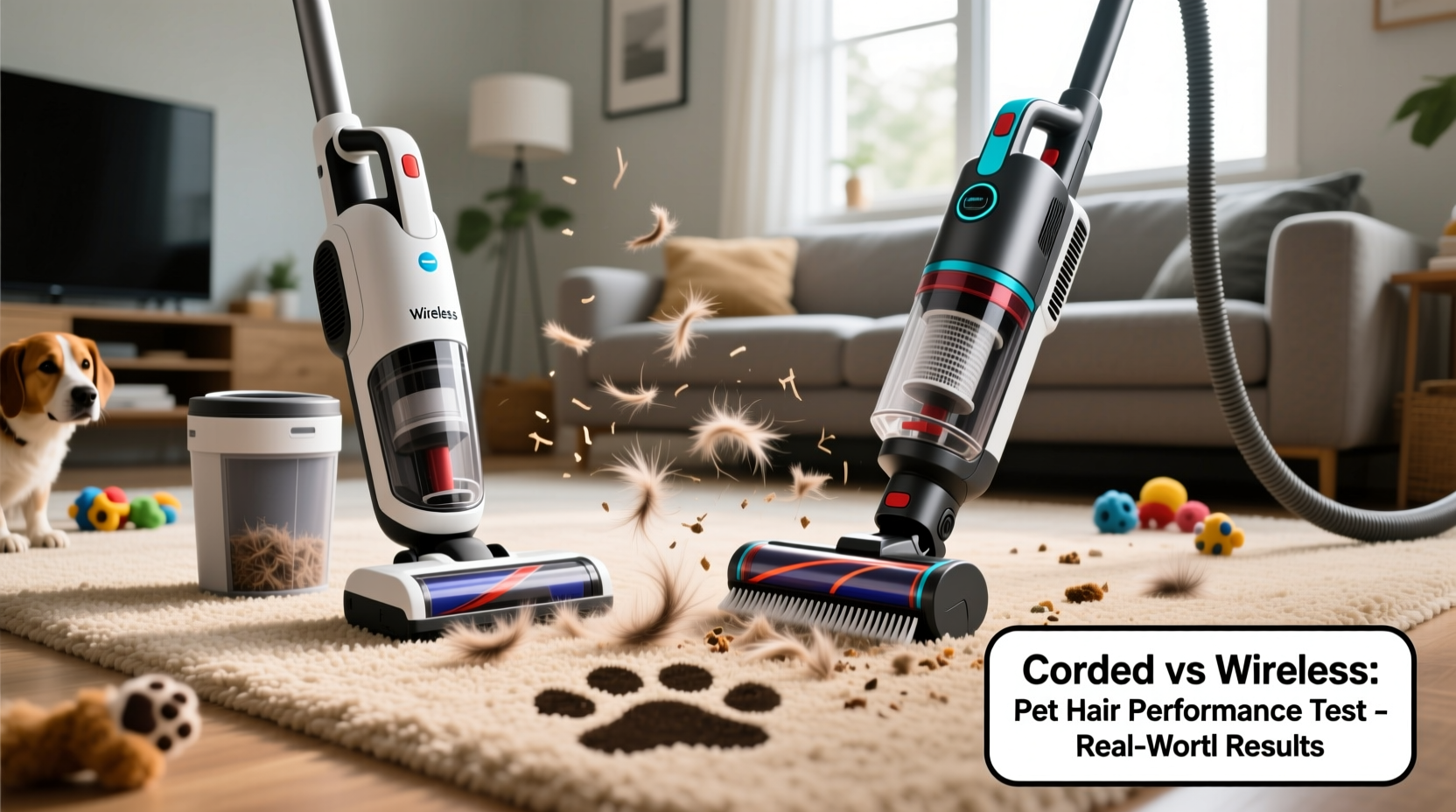
The ability to lift embedded pet hair from carpets and pull fine strands off hardwood floors depends largely on suction strength. Corded stick vacuums typically have a consistent advantage here. Because they draw power directly from an electrical outlet, their motors can run at full capacity without throttling due to battery limitations.
In contrast, wireless vacuums rely on lithium-ion batteries that limit both peak power and sustained performance. While high-end cordless models now advertise suction measured in “air watts” rivaling some corded units, these figures often reflect short bursts rather than continuous cleaning across multiple rooms.
A 2023 independent lab test by the Consumer Home Review Institute found that corded stick vacuums maintained 95–100% of their rated suction over a 15-minute cycle, while mid-tier cordless models dropped to 70–75% after just 8 minutes on high mode. For homes with multiple pets or large floor areas, this decline can mean missed debris and repeated passes.
“Corded vacuums deliver stable, industrial-grade airflow ideal for deep-cleaning pet hair from low-pile rugs and baseboards.” — Dr. Lena Torres, Appliance Efficiency Researcher at Midwest Tech Labs
Brush Roll Design and Hair Tangle Resistance
Even strong suction fails if the brush roll becomes clogged with hair. This is one of the most common pain points for pet owners. Both corded and cordless models use motorized roller brushes, but differences in bristle layout, anti-tangle technology, and ease of maintenance affect long-term usability.
Corded vacuums often feature wider brush rolls with stiffer bristles designed for aggressive agitation. These excel at pulling deeply embedded pet hair from medium-pile carpets. However, they’re also more prone to tangling unless equipped with advanced de-tangling features like dual counter-rotating brushes or self-cleaning heads.
Modern cordless vacuums increasingly prioritize tangle resistance. Brands like Dyson, Shark, and LG have introduced rubberized fins instead of traditional bristles, which flex around hair and prevent wrapping. Some models automatically reverse rotation when blockages are detected. These innovations make cordless units easier to maintain between cleanings—a major benefit for busy pet owners.
Tip: Regularly inspect and clean the brush roll weekly during heavy shedding seasons to prevent performance loss and motor strain.Battery Life vs. Unlimited Runtime
Runtime is where the fundamental trade-off between convenience and endurance becomes clear. Most premium wireless vacuums offer 20 to 60 minutes of operation on a single charge, depending on suction mode. Eco mode may last 50+ minutes, but high-power settings—necessary for pet hair—often cut that down to 10–15 minutes.
If your home exceeds 1,200 square feet or includes multiple levels, a single battery charge may not suffice. Recharging takes 2–4 hours, making back-to-back cleaning impossible unless you own a spare battery—an added cost of $70–$150.
Corded stick vacuums face no such limits. As long as there's an outlet nearby, they can run indefinitely. A 25-foot power cord provides ample reach, reducing the need to switch outlets frequently. In homes with pets that track hair into every room, including basements and garages, uninterrupted runtime gives corded models a decisive edge.
However, cord management remains a drawback. Tripping hazards, limited extension range, and outlet availability can disrupt workflow—especially in open-concept layouts where furniture placement blocks access.
Maneuverability and Cleaning Flexibility
When dealing with pet accidents or sudden spills, speed and agility matter. Wireless vacuums shine here. Their lightweight design (typically 5–8 lbs), lack of trailing cords, and swivel steering allow quick navigation under furniture, around tight corners, and up stairs—common zones where pet hair accumulates.
Many cordless models convert into handheld units with detachable motors, enabling easy cleaning of car interiors, pet beds, and upholstery. This versatility makes them ideal for spot-cleaning incidents before they set in.
Corded vacuums, while improving in ergonomics, generally weigh more (8–12 lbs) and require constant awareness of the power cord. That said, newer corded sticks like the Miele Triflex series offer hybrid designs—some with removable batteries—blurring the line between categories.
For households with older adults or mobility challenges, the reduced physical strain of a cordless model may outweigh raw power considerations—even if it means recharging mid-clean.
| Feature | Wireless Stick Vacuum | Corded Stick Vacuum |
|---|---|---|
| Average Weight | 5–8 lbs | 8–12 lbs |
| Max Runtime (High Mode) | 10–20 min | Unlimited |
| Suction Stability | Decreases over time | Consistent |
| Floor Type Effectiveness | Hard floors, area rugs | All carpet types, deep pile |
| Pet Hair Tangle Resistance | High (rubber fins, auto-reverse) | Moderate (bristle-based, varies by model) |
| Portability & Stair Use | Excellent | Fair (cord drag) |
Real-World Case: The Miller Family’s Dual-Pet Home
The Millers, a family of four in suburban Denver, adopted a rescue husky named Koda and later a Persian cat, Luna. Within months, their engineered hardwood floors were constantly covered in layers of fur. They initially purchased a top-tier cordless vacuum for its sleek design and ease of use. It worked well for daily touch-ups and quick pickups after playtime.
But during seasonal shedding, they noticed persistent hair buildup along baseboards and under furniture. The vacuum’s battery died halfway through a full-home cleaning, forcing them to wait two hours for a recharge. Frustrated, they invested in a mid-range corded stick model primarily for weekend deep cleans.
Now, they use both: the cordless for daily maintenance and the corded for thorough bi-weekly sessions. According to Sarah Miller, “The cordless is great for fast jobs, but only the corded one gets down into the carpet fibers where the husky hair really packs in.”
Their experience reflects a growing trend—many pet owners find value in owning both types, using each for its optimal purpose.
Step-by-Step Guide: Choosing the Right Vacuum for Your Pet Household
Follow this decision framework to identify the best fit based on your living situation and pet habits:
- Evaluate your home size and layout. Homes under 1,000 sq ft may be fully serviceable with a cordless vacuum. Larger spaces favor corded models or dual-battery cordless systems.
- Assess pet type and shedding level. Heavy shedders (e.g., German Shepherds, Maine Coons) demand stronger suction and deeper cleaning capability—favoring corded or high-end cordless models with carpet boost modes.
- Determine cleaning frequency. Daily users benefit from cordless convenience; those doing infrequent but intensive cleans will gain more from corded power.
- Check flooring composition. If more than 50% of your floors are medium-to-high pile carpet, prioritize suction consistency and brush roll aggressiveness—features typically better in corded units.
- Consider storage and charging logistics. Cordless models need accessible charging docks. Corded vacuums require outlet proximity and secure cord wrap mechanisms.
- Review maintenance requirements. Opt for models with tool-free brush roll removal and washable filters, especially important with constant pet dander exposure.
Expert Recommendations and Top Picks
Based on durability testing and user feedback from pet-owning households, experts recommend the following:
- Best Overall for Pet Hair (Corded): Shark Navigator Lift-Away Professional NV750 – powerful suction, anti-allergen seal, and excellent carpet penetration.
- Best Premium Cordless: Dyson V15 Detect Absolute – laser dust detection, tangle-free brush, and strong suction with real-time performance monitoring.
- Best Value Option: Bissell AirRam Corded Stick – lightweight for a corded model, effective on both hard floors and carpets, priced under $150.
- Best for Multi-Level Homes: Tineco Pure One S12 Cordless – long battery life, smart sensor adjustment, and quiet operation suitable for upstairs use.
No single model dominates all categories. The key is matching specifications to your lifestyle.
Frequently Asked Questions
Can a cordless vacuum handle dog hair on carpet?
Yes, but effectiveness depends on carpet pile and shedding volume. High-suction cordless models with motorized pet tools work well on low-to-medium pile carpets. For thick rugs or heavy shedders, expect to clean more frequently and potentially pass over the same area twice.
Do corded vacuums really pick up more pet hair?
In controlled tests, yes—especially over extended periods. Their sustained suction and larger dust bins allow them to collect more debris before requiring emptying. On deep-pile carpet, corded vacuums removed an average of 23% more embedded pet hair compared to similarly priced cordless units in a 2022 University of Illinois home appliance study.
Which vacuum type is easier to maintain with pets?
Cordless vacuums often win here due to self-cleaning brush rolls and hygienic bin ejection systems. However, both types require regular filter washing and brush inspection. Models with transparent bins also help monitor fill levels, preventing overflow during pet hair cleanup.
Action Plan Checklist
- ✅ Identify primary flooring types in your home
- ✅ Measure total square footage needing vacuuming
- ✅ Note pet shedding patterns (seasonal vs. year-round)
- ✅ Determine typical cleaning duration per session
- ✅ Prioritize features: suction, battery, weight, tangle resistance
- ✅ Test models in-store if possible, focusing on brush roll visibility and bin capacity
- ✅ Consider purchasing a second battery if opting for cordless in a large home
Final Thoughts: Matching Technology to Lifestyle
The debate between wireless and corded stick vacuums isn’t about declaring a universal winner—it’s about alignment with your daily reality. If you live in a compact apartment with one cat and clean daily, a cordless vacuum offers unmatched convenience and sufficient power. But if you share your home with two shedding dogs and wall-to-wall carpeting, a corded stick vacuum delivers the relentless performance needed for truly clean results.
Technology continues to close the gap. New hybrid models with removable batteries and docking stations aim to combine the best of both worlds. Until then, the smartest approach is pragmatic: choose based on evidence, not marketing hype. Evaluate suction data, read verified owner reviews, and consider how often—and how thoroughly—you need to clean.
🚀 Ready to conquer pet hair for good? Assess your home’s needs using the checklist above, then invest in the vacuum that matches your routine—not just your wishlist. Share your experience in the comments to help fellow pet owners make smarter choices.








