Raw dog food diets have gained popularity over the past decade, praised for their potential to improve coat health, energy levels, and digestion. Advocates claim that feeding uncooked meat, bones, organs, and vegetables aligns more closely with a dog’s ancestral diet. Yet despite these benefits, many pet owners eventually transition away from raw feeding. Understanding why people stop raw dog food is essential for anyone considering or currently following this feeding method. This article explores the most common reasons behind discontinuation, practical considerations, and how to make an informed decision about your dog’s nutrition.
Common Reasons People Discontinue Raw Feeding
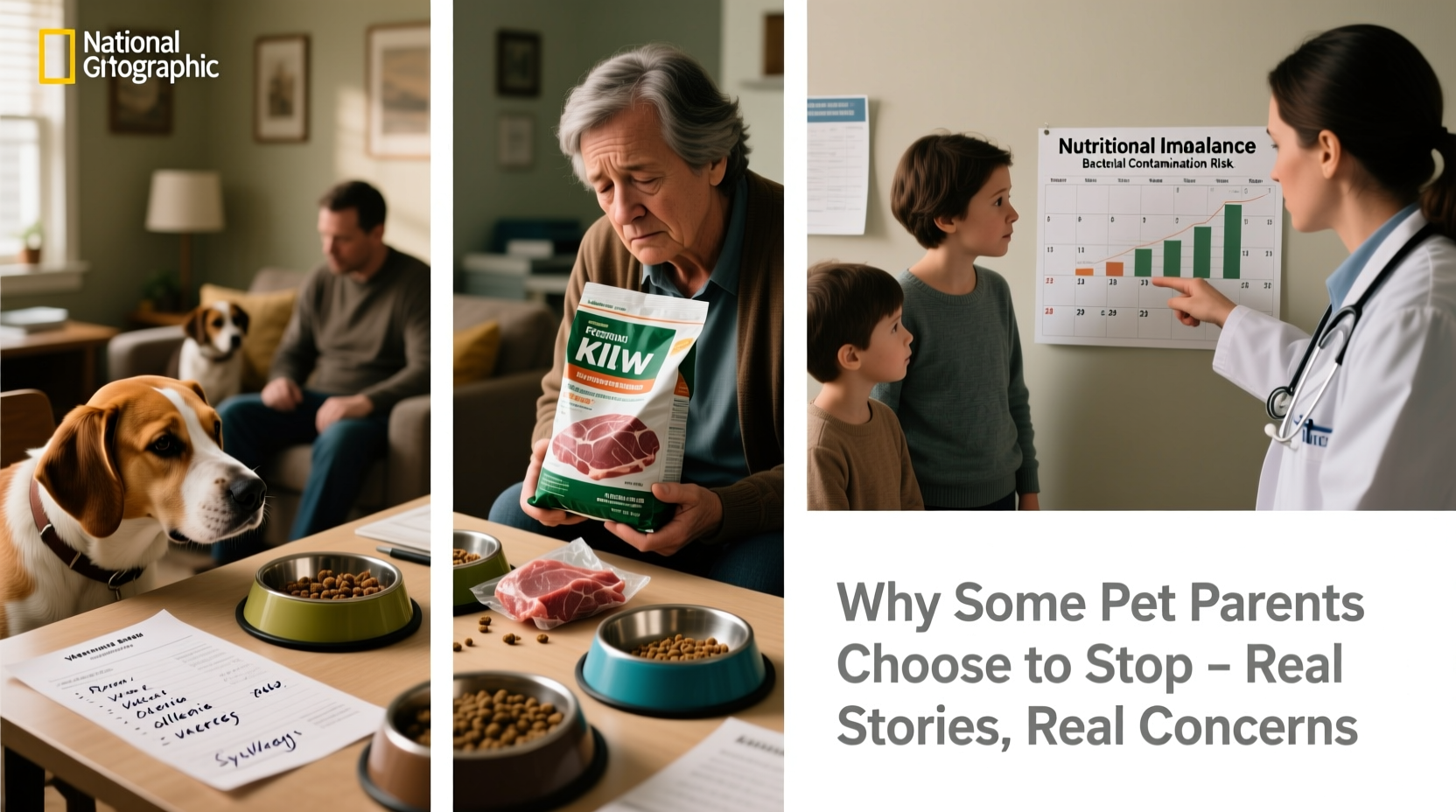
While raw diets can offer tangible benefits, they also come with challenges that may not be sustainable for every household. The decision to stop often stems from logistical, financial, health, or safety concerns.
- Cost: High-quality raw ingredients are significantly more expensive than kibble or canned food. A medium-sized dog might consume $5–$8 per day on a balanced raw diet, which adds up quickly.
- Time and Preparation: Preparing meals daily, sourcing safe ingredients, and ensuring nutritional balance requires hours of planning and effort.
- Storage Limitations: Raw diets require substantial freezer and refrigerator space. Thawing portions safely and managing rotation can be cumbersome in small kitchens.
- Bacterial Contamination Risk: Handling raw meat increases exposure to pathogens like Salmonella and E. coli, posing risks to both pets and humans—especially vulnerable individuals like children or immunocompromised family members.
- Inconsistent Results: Some dogs do not thrive on raw diets. Issues such as loose stools, nutrient imbalances, or dental damage from bones prompt owners to switch back.
Nutritional Imbalance and Health Concerns
A well-formulated raw diet must include the right ratios of protein, fat, vitamins, and minerals. Unfortunately, many homemade raw diets lack essential nutrients unless carefully planned. According to a 2013 study published in the Journal of the American Veterinary Medical Association, over 95% of commercial and homemade raw diets evaluated were nutritionally incomplete.
Deficiencies in calcium, phosphorus, zinc, or vitamin D can lead to long-term skeletal issues, especially in growing puppies. Excesses—such as too much liver (leading to hypervitaminosis A)—are equally dangerous. Without veterinary guidance or access to laboratory-formulated recipes, maintaining balance becomes guesswork.
“Feeding a raw diet without proper formulation can do more harm than good. Even slight imbalances over time affect bone development and organ function.” — Dr. Karen Becker, Integrative Veterinarian
Key Nutrients Often Missing in DIY Raw Diets
| Nutrient | Role in Canine Health | Common Deficiency Signs |
|---|---|---|
| Calcium | Bone strength, muscle function | Weak bones, fractures, poor growth in puppies |
| Vitamin E | Antioxidant protection, immune support | Muscle weakness, reproductive issues |
| Zinc | Skin/coat health, enzyme function | Dermatitis, hair loss, poor wound healing |
| Taurine | Heart muscle function | Risk of dilated cardiomyopathy (DCM) |
Practical Considerations Before Starting or Continuing Raw Feeding
Before committing to raw food—or deciding to stop it—it's important to assess your lifestyle, resources, and your dog’s individual needs. Not all dogs benefit equally, and not all homes are equipped to handle the demands.
Checklist: Is Raw Feeding Right for You?
- Do you have enough freezer space for bulk storage?
- Can you afford $150–$300 monthly for high-quality ingredients?
- Are you able to follow strict hygiene practices when handling raw meat?
- Has your veterinarian reviewed your dog’s current health status and dietary plan?
- Are there young children, elderly individuals, or immunosuppressed people in your home?
- Is your dog showing signs of digestive upset, allergies, or nutrient deficiencies on raw food?
Real-Life Example: When Raw Stopped Working
Sarah, a dog owner in Portland, switched her two-year-old Border Collie, Max, to a raw diet after reading testimonials about improved energy and shinier coats. For the first three months, Max seemed healthier—his breath improved, and his shedding decreased. But by month five, he began developing soft stools and occasional vomiting. Blood work revealed low zinc levels and mild inflammation in the gut.
After consulting a veterinary nutritionist, Sarah learned her homemade recipe relied too heavily on muscle meat and lacked organ variety and supplemental minerals. Despite adjusting the diet, Max continued to struggle. Ultimately, she transitioned him to a high-quality limited-ingredient kibble designed for sensitive digestion. Within weeks, his symptoms resolved. “I wanted the best for him,” Sarah said, “but I realized raw wasn’t universally better—it had to fit his biology and my ability to manage it safely.”
Safety and Hygiene Challenges
One of the most under-discussed aspects of raw feeding is cross-contamination. Surfaces, bowls, hands, and even dog toys can harbor bacteria if not cleaned properly. The CDC advises against feeding raw diets due to zoonotic disease risks.
Freezing does not eliminate all pathogens. While it reduces bacterial load, organisms like Listeria monocytogenes can survive frozen conditions. Thawing at room temperature further amplifies risk. Safe thawing should occur in the refrigerator or under cold running water.
Tip: Use dedicated cutting boards and utensils for raw pet food, and sanitize them with a diluted bleach solution (1 tablespoon per quart of water) after each use.Step-by-Step Guide to Transitioning Off Raw Food Safely
Abandoning raw feeding doesn't need to compromise your dog’s health. A gradual shift prevents digestive upset and allows monitoring of responses.
- Evaluate Alternatives: Research vet-recommended commercial foods (kibble, wet, freeze-dried) that meet AAFCO standards.
- Choose a New Base Food: Select a novel protein or limited-ingredient formula if your dog has sensitivities.
- Begin Mixing: Start with 25% new food and 75% raw for 2–3 days.
- Adjust Proportionally: Increase the new food by 25% every few days while decreasing raw.
- Monitor Closely: Watch for changes in stool quality, energy, skin, and appetite.
- Complete Transition: By day 7–10, your dog should be fully on the new diet.
- Reassess After Two Weeks: Schedule a wellness check if any concerns arise.
Frequently Asked Questions
Can I mix raw and kibble together?
Yes, but with caution. Though older myths claimed differing digestion times cause issues, modern evidence shows mixing is generally safe. However, ensure the overall diet remains balanced and avoid overfeeding.
Will stopping raw food harm my dog?
No. There is no physiological dependency on raw food. Dogs adapt well to dietary changes when transitions are managed gradually. Many thrive on high-quality processed foods that are scientifically formulated.
Are commercial raw diets safer than homemade?
Commercially prepared raw diets are typically safer because they undergo pathogen testing and adhere to labeling regulations. However, they are not risk-free. Always follow handling instructions and store frozen until use.
Final Thoughts and Moving Forward
Choosing what to feed your dog is deeply personal and should be based on science, individual needs, and practical realities—not trends or anecdotal claims. While raw feeding works for some, it’s not a one-size-fits-all solution. Recognizing when it’s no longer serving your pet or your household is not failure—it’s responsible pet ownership.
If you're reconsidering raw food, don’t hesitate to consult a board-certified veterinary nutritionist. They can help design a balanced diet tailored to your dog’s age, breed, activity level, and medical history—whether that includes raw components, cooked meals, or premium commercial options.
💬 Have experience with starting or stopping raw feeding? Share your story in the comments to help other pet owners navigate this complex decision with confidence.








