
Deciding whether to neuter a male dog is one of the most significant choices a pet owner will face. While neutering—surgical removal of the testicles—is a common procedure, it carries both advantages and potential drawbacks. Understanding the full scope of medical, behavioral, and long-term implications allows owners to make informed decisions aligned with their dog’s breed, age, lifestyle, and individual health profile.
Health Benefits of Neutering a Male Dog
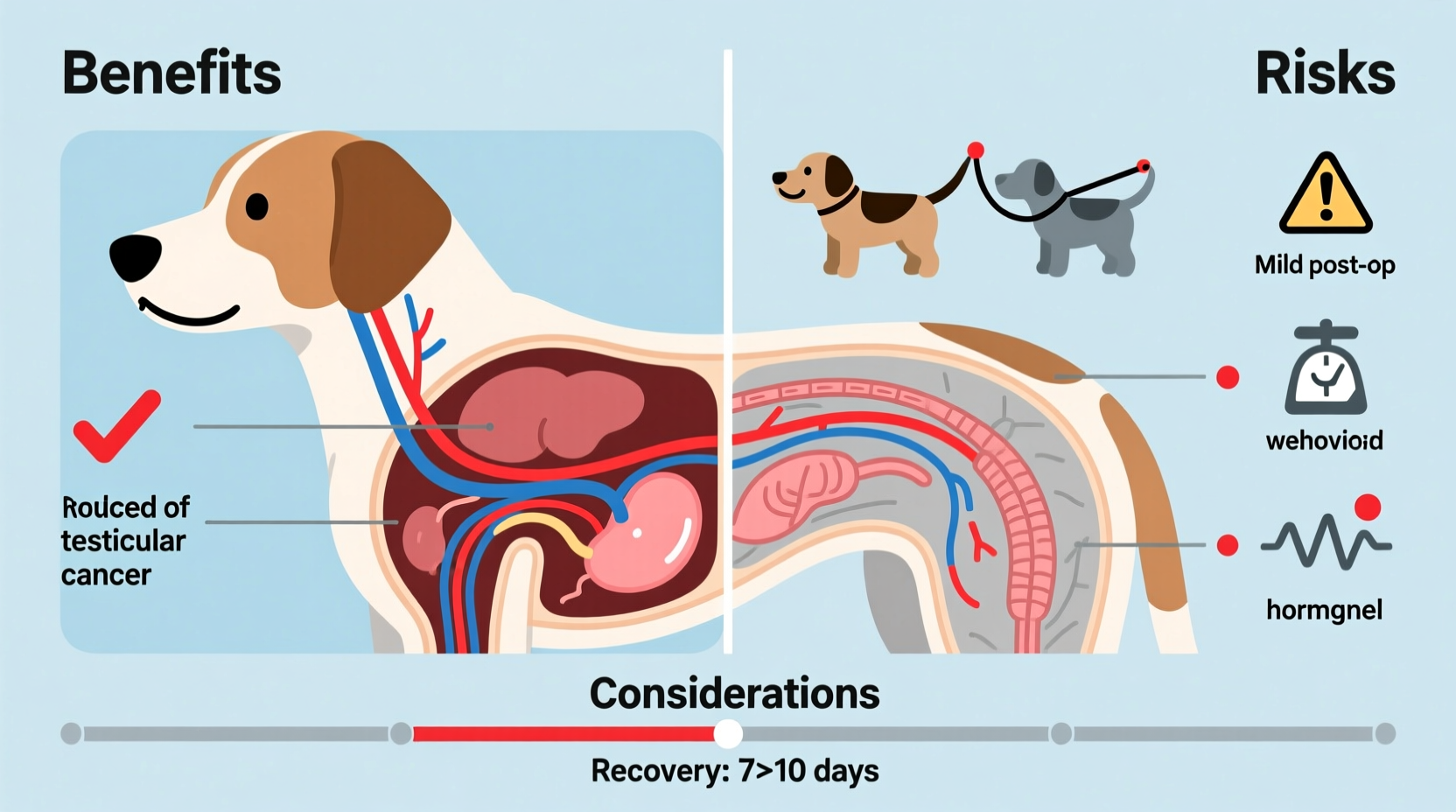
One of the primary reasons veterinarians recommend neutering is the prevention of serious health conditions. Removing the testicles eliminates the risk of testicular cancer, which affects approximately 7% of intact male dogs over their lifetime. It also significantly reduces the likelihood of benign prostatic hyperplasia (enlarged prostate), perianal adenomas, and other hormone-driven tumors.
Neutered dogs are less prone to roam in search of mates, reducing the risk of accidents such as being hit by a car or getting into fights with other animals. Additionally, studies show that neutered males often live longer than intact dogs, partly due to reduced engagement in high-risk behaviors and lower incidence of reproductive diseases.
Tip: Discuss your dog’s breed-specific health risks with your vet—some large breeds may benefit from delayed neutering.Behavioral Advantages of Neutering
Testosterone plays a major role in several undesirable behaviors. Neutering can lead to noticeable improvements in aggression, territorial marking, mounting, and persistent attempts to escape. While not a cure-all for behavioral issues, the procedure often makes training easier and enhances socialization with people and other pets.
Dogs neutered before sexual maturity—typically between six and nine months—are less likely to develop strong dominance or territorial habits. However, even older dogs can experience behavioral improvements post-neutering, especially if hormonal drives are contributing to problematic actions.
“Neutering can be a valuable tool in managing hormonally influenced behaviors, but it should be part of a broader behavioral plan.” — Dr. Laura Bennett, Veterinary Behaviorist
Potential Risks and Long-Term Concerns
While neutering offers clear benefits, it is not without risks. Recent research has highlighted that early neutering—especially in large and giant breeds—may increase the likelihood of certain orthopedic conditions such as cruciate ligament tears and hip dysplasia. This is because sex hormones influence bone growth plate closure; removing them too soon can disrupt normal skeletal development.
Some studies also suggest a higher incidence of specific cancers in neutered dogs, including hemangiosarcoma, osteosarcoma, and lymphoma, particularly in breeds like Golden Retrievers and German Shepherds. Additionally, neutered dogs may be more prone to weight gain due to a slower metabolism, requiring careful diet and exercise management.
Key Health Risks Associated with Early Neutering
| Breed Type | Risk Condition | Notes |
|---|---|---|
| Large/Giant Breeds | Cruciate Ligament Injury | Up to 3x higher risk if neutered before 1 year |
| Golden Retriever | Hemangiosarcoma | Increased incidence in neutered males |
| Rottweiler | Osteosarcoma | Lifetime risk rises when neutered early |
| All Breeds | Obesity | Metabolic rate drops ~20–30% post-surgery |
Factors to Consider Before Neutering
The decision should never be one-size-fits-all. Several factors must be weighed, including breed, size, age, living environment, and intended use of the dog (e.g., working, show, companion). For example, a small-breed dog like a Chihuahua may safely be neutered at six months, while a Great Dane might benefit from waiting until 12–18 months to allow full musculoskeletal development.
Owners should also consider their ability to manage intact male behaviors. An unneutered dog in a multi-pet household or urban environment may face greater challenges related to dominance or roaming. Conversely, dogs used for breeding or performance sports may require delayed or no neutering based on professional guidance.
Step-by-Step Decision Timeline
- Consult your veterinarian at your puppy’s first wellness exam to discuss breed-specific recommendations.
- Evaluate your dog’s temperament and any signs of aggression or marking by 5–6 months.
- Assess your lifestyle: Do you have access to secure fencing? Are there female dogs nearby?
- Review recent research on your dog’s breed and joint or cancer risks.
- Decide on timing: Choose between early neutering (6–9 months) or delayed (after 12–18 months).
- Schedule surgery and prepare for post-op care, including activity restriction for 10–14 days.
Real-Life Scenario: Max, the Young Labrador
Max, a two-year-old Labrador Retriever, was brought to a veterinary clinic after repeatedly escaping his yard and fighting with neighborhood dogs. His owner, Sarah, struggled with house soiling and mounting behaviors despite consistent training. Bloodwork confirmed no underlying medical issues, and the vet recommended neutering as part of a comprehensive behavior plan.
Three weeks after surgery, Max showed marked improvement. He stopped attempting to escape, became more responsive to commands, and ceased urine marking indoors. Combined with continued obedience training and increased daily walks, neutering helped transform Max into a calmer, more manageable family pet. This case illustrates how neutering, when paired with proper training, can resolve persistent behavioral issues rooted in hormonal drive.
Frequently Asked Questions
Will neutering change my dog’s personality?
Neutering typically reduces hormonally driven behaviors like aggression, roaming, and marking, but it won’t alter your dog’s core personality. A friendly dog will remain friendly, and an anxious dog may still need behavioral support. The change is usually subtle and positive when it comes to social interactions and focus during training.
Is neutering painful or dangerous for my dog?
The procedure is performed under general anesthesia, so your dog feels no pain during surgery. Post-operative discomfort is generally mild and managed with prescribed pain medication. Complications are rare but can include infection, bleeding, or adverse reactions to anesthesia. Overall, neutering is considered a safe and routine surgery.
Can I neuter an older dog?
Yes, dogs can be neutered at any age, provided they are healthy enough for anesthesia. Older dogs may take slightly longer to recover, but many experience behavioral and health benefits even when neutered later in life. Always consult your vet to assess surgical risk based on your dog’s current health status.
Actionable Checklist Before Neutering Your Dog
- ✔ Schedule a pre-surgical consultation with your veterinarian
- ✔ Discuss breed-specific risks and optimal timing
- ✔ Evaluate your dog’s current behavior and home environment
- ✔ Confirm your dog is up-to-date on vaccinations and parasite prevention
- ✔ Prepare a quiet recovery area at home with restricted activity space
- ✔ Plan for post-op monitoring, including checking the incision twice daily
- ✔ Adjust feeding portions post-surgery to prevent weight gain
Final Thoughts and Next Steps
Neutering a male dog is more than a routine procedure—it’s a lifelong health decision that impacts physical well-being, behavior, and longevity. While the benefits often outweigh the risks, the ideal timing and necessity vary by individual. There is growing evidence supporting tailored approaches based on breed, size, and lifestyle rather than universal early neutering.
Armed with knowledge, collaboration with your veterinarian, and awareness of both short-term and long-term outcomes, you can make the best choice for your dog’s unique needs. Whether you opt for early neutering, delay the procedure, or decide against it altogether, what matters most is a commitment to responsible pet ownership, preventive care, and ongoing behavioral support.
💬 Have questions about your dog’s neutering timeline or experiences to share? Join the conversation below and help other pet owners make informed, confident decisions.








