
If you've ever been gently headbutted awake by a purring feline or found your cat kneading your chest like dough at 5:30 a.m., you're not alone. Many cat owners notice a surge in affection from their pets during the early hours. While this behavior can be heartwarming—or occasionally inconvenient—there’s usually a logical explanation behind it. Cats are creatures of instinct, routine, and subtle communication, and their morning affection isn’t random. Understanding the reasons can deepen your bond and help you respond appropriately to your cat’s needs.
1. Your Cat’s Natural Hunting Rhythm Is Kicking In
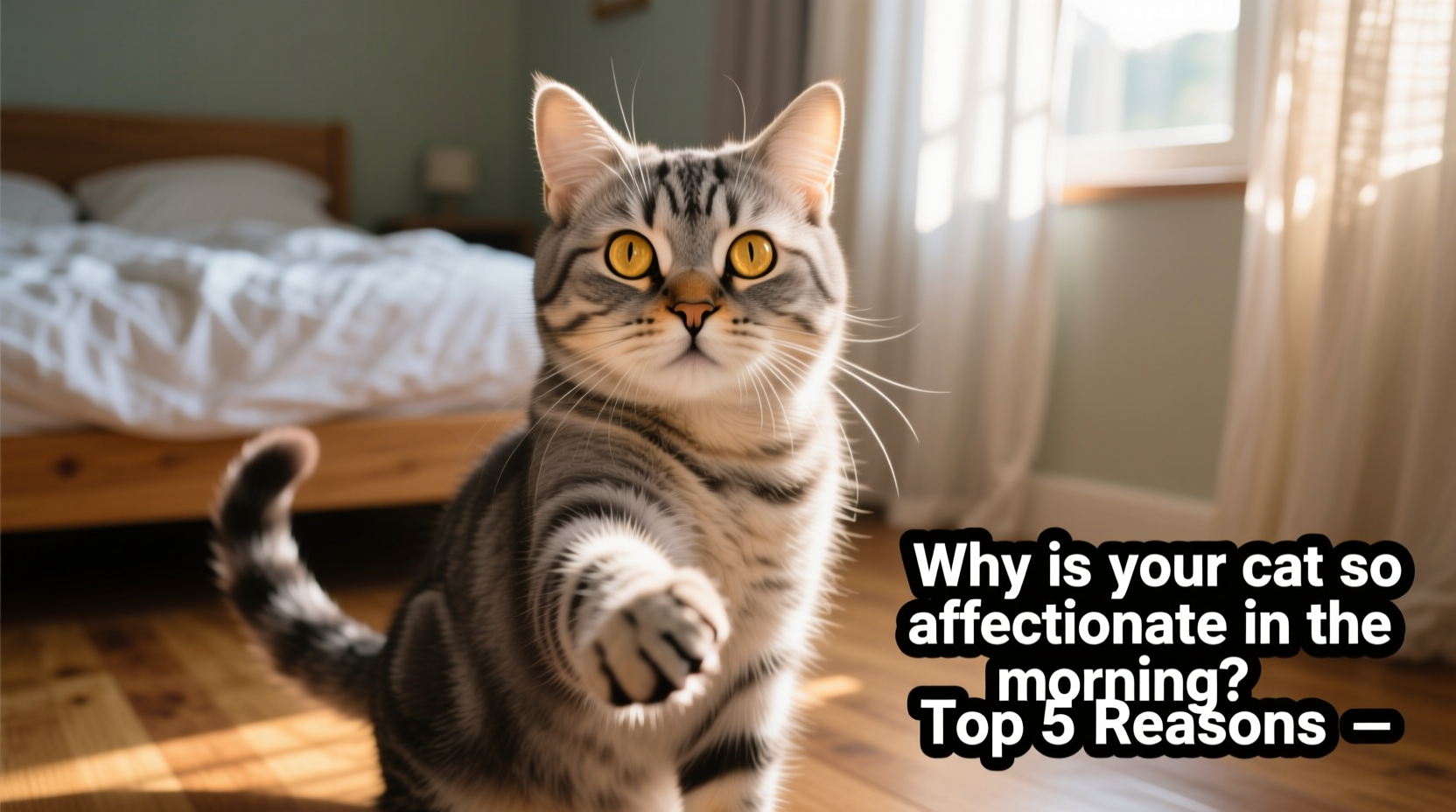
Cats are crepuscular animals, meaning they’re most active during dawn and dusk. This biological rhythm stems from their wild ancestors, who hunted during low-light periods when prey was more abundant and movement less detectable. As the sun rises, your cat naturally enters a peak activity window. Their body is primed for alertness, energy, and engagement—and affection can be part of that behavioral package.
Morning cuddles may serve as a social ritual before your cat embarks on its “hunting” patrol around the house. Even indoor cats retain these instincts, often stalking toys, chasing shadows, or patrolling windowsills. The affection they show you could be a way of reinforcing social bonds before engaging in solo activities.
Tip: If your cat wakes you too early, try feeding them a timed meal just before bedtime using an automatic feeder. This can reduce hunger-driven wake-up calls.2. They’re Communicating Hunger (in the Sweetest Way Possible)
Let’s be honest: many cats have mastered the art of strategic affection. A slow blink followed by gentle pawing on your face might feel like love—but it could also be a well-practiced technique to get breakfast served faster. Cats quickly learn which behaviors elicit a response from their humans. If nuzzling you leads to food, they’ll repeat it consistently.
This doesn’t mean the affection is insincere. Cats do form strong emotional attachments, but they’re also highly observant and adaptive. The morning routine often becomes a learned sequence: wake owner → receive attention → get fed. Over time, this turns into a reliable daily pattern.
“Cats use tactile communication not just for bonding but also for signaling needs. Morning affection often overlaps with feeding cues.” — Dr. Lena Torres, Feline Behavior Specialist
3. You’re Available—And That Matters More Than You Think
During the day, many owners are at work, school, or otherwise occupied. Your cat notices this absence. The early morning hours, especially on weekends or days off, represent one of the few times when you’re both home and physically accessible. Your cat recognizes this window of opportunity and takes full advantage.
Affection during this time strengthens the social bond between you. Grooming, rubbing, and close proximity release oxytocin in both cats and humans—the so-called \"love hormone\"—which reinforces attachment. For a social animal that values companionship (even if on their own terms), your presence is worth celebrating.
4. Scent Marking and Territory Reinforcement
When your cat rubs its cheeks against your face, arms, or pillow, it’s not just showing love—it’s marking you with scent glands located around its mouth, chin, and forehead. These glands secrete pheromones that signal familiarity and safety. By depositing their scent on you, they’re reaffirming you as part of their trusted inner circle.
Morning is an ideal time for this behavior because the household environment has changed overnight—new smells may have entered through ventilation, or your scent may have faded slightly while you slept. Re-marking ensures everything feels secure and familiar again.
| Behavior | Meaning | Is It Affectionate? |
|---|---|---|
| Head-butting (bunting) | Scent marking and bonding | Yes – deeply affectionate |
| Kneading with paws | Comfort behavior linked to kittenhood | Yes – sign of trust |
| Excessive meowing with nudging | Request for food or play | Partly – mixed motivation |
| Purring while lying on chest | Contentment and closeness | Yes – high affection |
5. Your Cat Missed You Overnight
Despite their independent reputation, many cats form deep emotional attachments to their caregivers. Some experience mild separation anxiety when left alone for extended periods—even overnight. Waking up to greet you with enthusiasm is a way of reconnecting after a period of separation.
This is especially common in cats who follow their owners from room to room or who become visibly distressed when routines change. The morning ritual of affection serves as a reassurance: “You’re back. I’m safe. All is well.”
Tip: If your cat seems anxious when you leave the room, consider leaving a piece of worn clothing near their bed. Your scent can provide comfort during quiet hours.Mini Case Study: Bella, the 3-Year-Old Tabby
Bella lives with Sarah, a remote worker who often sleeps in on weekends. Every weekday morning at 6 a.m., Bella jumps onto the bed, purrs loudly, and begins gently licking Sarah’s hand. On weekends, she waits until 8:30 a.m.—about when Sarah usually wakes. When Sarah experimented with changing her schedule, Bella adjusted within two days, aligning her affectionate greetings with the new wake-up time.
This shows that Bella isn’t acting purely on instinct; she’s responding to learned patterns and human availability. Her affection is both emotionally driven and context-aware, highlighting how intelligent and socially attuned cats truly are.
How to Respond to Morning Affection (Without Encouraging Early Wake-Ups)
You don’t need to discourage affection—but you can shape when and how it happens. Unwanted behaviors, like pawing at your face or meowing insistently, can be redirected with consistency.
- Establish a pre-sleep routine: Play with your cat for 10–15 minutes before bed to tire them out.
- Use an automatic feeder: Set it to dispense food shortly after your usual wake-up time.
- Ignore demand-based behaviors: Don’t reward excessive meowing or pouncing with attention.
- Redirect affection positively: Offer a soft toy or warm blanket nearby to encourage self-soothing.
- Respond warmly once awake: Once you’re up, give full attention—this reinforces good timing.
Checklist: Is Your Cat’s Morning Affection Healthy?
- ☑ The behavior is gentle, not aggressive
- ☑ They allow you space if you’re still sleeping
- ☑ No signs of stress (excessive vocalization, destructive behavior)
- ☑ Affection occurs consistently, not erratically
- ☑ You feel bonded, not annoyed or resentful
Frequently Asked Questions
Why does my cat only show affection in the morning and ignore me during the day?
This is normal. Cats have their own schedules and may prefer to nap, explore, or groom themselves during daylight hours. Morning interaction often coincides with their natural peak activity and your availability. As long as your cat is healthy and not avoiding you due to fear or illness, this pattern is typical.
Could morning affection be a sign of illness?
Generally, no. However, sudden changes in behavior—such as increased clinginess, restlessness, or vocalization at odd times—can indicate discomfort or medical issues like hyperthyroidism or cognitive decline in older cats. If affection is accompanied by pacing, disorientation, or appetite changes, consult your veterinarian.
Should I discourage my cat from waking me up?
It depends on your tolerance and sleep needs. Complete prevention may not be realistic, but you can manage it. Avoid reinforcing unwanted wake-up behaviors (like feeding or playing immediately). Instead, use environmental enrichment and scheduled feeding to shift their expectations.
Conclusion: Cherish the Connection—Even at Dawn
Your cat’s morning affection is more than a cute habit—it’s a complex blend of biology, emotion, and learned behavior. Whether they’re marking their territory, expressing love, or subtly hinting at breakfast, each gesture reflects a deep connection between you. Rather than viewing early wake-ups as a nuisance, consider them a privilege. Few animals choose to share their most vulnerable moments—like waking up—with another species.
💬 Does your cat have a unique morning ritual? Share your story in the comments and connect with fellow cat lovers who understand the joy (and challenge) of dawn cuddles!








