
Rabbits are naturally curious, intelligent animals whose behaviors often stem from deeply ingrained instincts. One of the most common—and sometimes frustrating—behaviors owners observe is constant digging. Whether it’s at the carpet, furniture, bedding, or even you, persistent digging can raise concerns about stress, boredom, or potential damage. But before reacting with frustration, it's essential to understand that digging isn’t misbehavior—it’s a normal, biologically driven activity.
In the wild, rabbits dig burrows for shelter, safety, nesting, and temperature regulation. Even domesticated rabbits retain these instincts. When they dig indoors, they aren't trying to annoy you—they're responding to internal cues shaped by evolution. The key isn’t to stop the behavior entirely but to guide it toward appropriate outlets in a compassionate way. With the right understanding and tools, you can redirect your rabbit’s digging in a manner that supports their well-being while protecting your home.
Understanding Why Rabbits Dig: Instincts Behind the Behavior
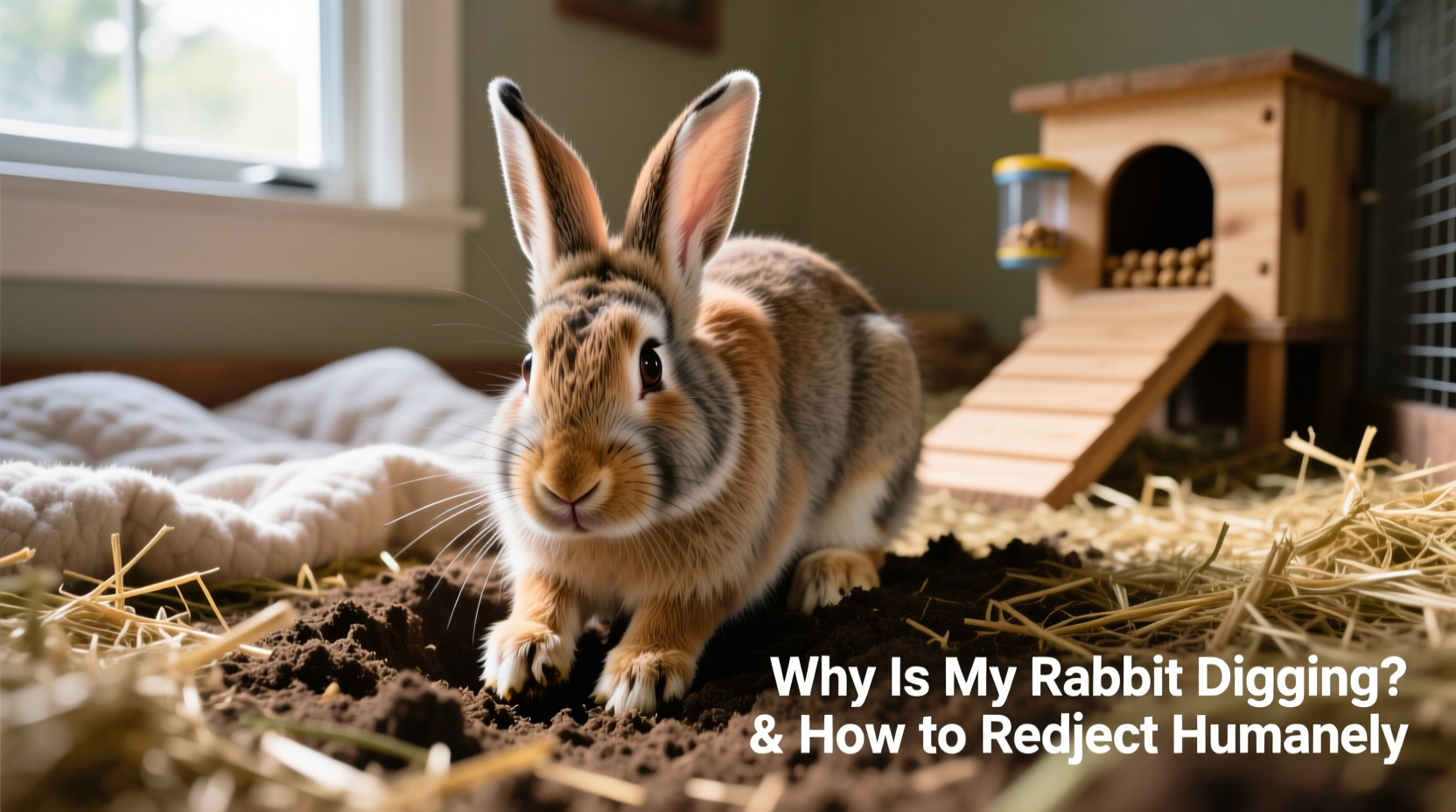
Digging is more than a habit—it’s a survival mechanism hardwired into a rabbit’s DNA. In nature, European rabbits (the ancestors of most domestic breeds) live in complex underground warrens with multiple entrances, chambers for sleeping, and separate areas for waste. These burrows provide protection from predators, insulation from extreme temperatures, and a safe space to raise young.
When your pet rabbit digs on the floor or pushes at blankets, they’re expressing this instinctual drive. Common triggers include:
- Nesting impulses: Especially in unspayed females, nesting behavior peaks during hormonal cycles. They may dig frantically as if preparing a nest for kits.
- Seeking security: A rabbit feeling anxious or uncertain may dig to create a \"safe space,\" even if no actual burrow forms.
- Boredom or excess energy: Indoor rabbits without sufficient mental stimulation often resort to repetitive behaviors like digging.
- Attention-seeking: If digging gets a reaction—positive or negative—rabbits may repeat it to engage with their humans.
- Exploration: Rabbits use their paws to investigate textures and surfaces, which can resemble digging.
“Digging is not a behavioral flaw—it’s a window into your rabbit’s emotional and physical needs. Addressing the root cause leads to better welfare than suppression.” — Dr. Katrina Rasolah, Exotic Animal Ethologist
Common Misconceptions About Rabbit Digging
Many owners mistakenly label digging as “bad” or “destructive,” leading to punitive responses that harm trust and increase stress. It’s crucial to dispel myths that hinder humane solutions:
| Misconception | Reality |
|---|---|
| Digging means my rabbit is angry or spiteful. | Rabbits don’t act out of revenge. Digging is instinctive, not emotional retaliation. |
| I should scold or spray water to stop it. | Punishment damages the human-rabbit bond and increases anxiety, potentially worsening the behavior. |
| Only female rabbits dig for nesting. | Both males and females exhibit nesting behaviors, especially when hormonally active. |
| If I give them a digging box, they’ll dig more everywhere else. | Providing an outlet typically reduces unwanted digging by satisfying the need in one place. |
How to Redirect Digging Humanely: Practical Strategies
Instead of suppressing digging, focus on redirection. The goal is to fulfill your rabbit’s natural needs while minimizing household damage. This approach aligns with animal welfare principles and strengthens your relationship through empathy and enrichment.
1. Provide a Designated Digging Area
Create a digging box that mimics the sensory experience of soil. Use a sturdy container such as a large plastic bin or wooden crate. Fill it with safe, engaging materials:
- Shredded paper (non-glossy, ink-free)
- Untreated straw or hay
- Soil-free potting mix (ensure no fertilizers or pesticides)
- Small cardboard tubes or tunnels buried beneath the surface
Bury treats or fresh herbs underneath to encourage exploration. Place the box in your rabbit’s primary living area and rotate contents weekly to maintain interest.
Tip: Sprinkle a few oats or dried parsley leaves on top of the digging box to spark initial curiosity.2. Enrich the Environment to Reduce Boredom
A mentally stimulated rabbit is less likely to engage in compulsive digging. Rotate toys, hide food in puzzle feeders, and introduce new textures weekly. Examples include:
- Cardboard castles with tunnels
- Willow balls or seagrass mats
- Low platforms for climbing
- Foraged items like apple branches (washed, pesticide-free)
Change the layout of their space every few days. Novelty encourages exploration and reduces fixation on repetitive actions.
3. Neuter or Spay Your Rabbit
Unaltered rabbits often display intensified digging due to hormonal surges. Spaying females eliminates false pregnancy cycles that trigger nesting; neutering males reduces territorial marking and restlessness. According to the House Rabbit Society, over 85% of problematic digging cases improve significantly after sterilization.
4. Protect Furniture and Flooring
While working on long-term redirection, protect vulnerable areas. Cover baseboards or sofa legs with durable fabric or PVC tubing. Use washable rugs or mats under favorite digging spots. Avoid double-sided tape or repellents, which can cause stress.
5. Reinforce Positive Alternatives
When your rabbit chooses the digging box or ignores off-limit zones, reward them immediately with praise, gentle pets, or a small treat. Consistency builds association: desired behavior = positive outcome.
Step-by-Step Guide to Reducing Unwanted Digging
Follow this timeline to humanely manage and redirect digging behavior over 4–6 weeks:
- Week 1: Assess and Observe
Track when and where your rabbit digs. Note triggers—time of day, presence of people, location, recent changes. Identify patterns. - Week 2: Introduce the Digging Box
Place the filled box in the most frequented digging zone. Sit nearby and toss treats into it. Let your rabbit explore at their pace. - Week 3: Enhance Enrichment
Add two new toys or rearrange the enclosure. Hide food daily to promote foraging. Increase supervised free-roam time. - Week 4: Sterilization Consultation
Schedule a vet visit to discuss spaying/neutering if not already done. Recovery takes 1–2 weeks; plan accordingly. - Week 5–6: Monitor and Adjust
Observe if digging shifts to the box. Remove barriers gradually. Continue rotating activities to sustain engagement.
Mini Case Study: Redirecting Luna’s Carpet Digging
Luna, a 2-year-old dwarf lop, lived in a small pen with limited toys. Her owner reported she spent hours clawing at the corner of a wool rug, wearing holes into the fabric. Attempts to deter her with sprays only made Luna avoid her owner.
A behavior consultant recommended the following plan:
- Expanded her space with a playpen extension
- Introduced a deep cardboard box filled with shredded paper and hidden timothy hay cubes
- Scheduled daily 2-hour free-roam sessions with toy rotation
- Booked spay surgery within the month
Within three weeks, Luna’s digging shifted almost entirely to the box. By week six, rug damage stopped, and she began using the box as a napping spot. Her owner noted increased calmness and affection.
Checklist: How to Humanely Manage Rabbit Digging
Use this checklist to ensure you’re addressing all aspects of the behavior:
- ✅ Observe and record digging patterns (timing, location, duration)
- ✅ Create a safe, inviting digging box with layered materials
- ✅ Offer daily mental stimulation through toys and foraging games
- ✅ Schedule spay/neuter consultation with an exotic vet
- ✅ Protect high-risk areas without using aversive methods
- ✅ Reward desired behaviors with treats or affection
- ✅ Rotate enrichment weekly to prevent habituation
- ✅ Avoid yelling, spraying, or physical punishment
Frequently Asked Questions
Is it normal for rabbits to dig at their owners?
Yes, though it may feel uncomfortable. Rabbits may paw or dig at your lap as a nesting gesture or to get your attention. It’s rarely aggressive. Gently lift them away and offer an alternative, like a digging box or blanket pile. Wearing thicker clothing during handling can reduce discomfort.
Can digging be a sign of illness?
Excessive, frantic digging combined with other symptoms—loss of appetite, lethargy, aggression—may indicate pain or hormonal imbalance. Dental issues or uterine disease in unspayed females can manifest as behavioral changes. Consult an exotic veterinarian if you notice sudden or severe shifts in behavior.
What if my rabbit ignores the digging box?
Try different fillers—some prefer soft hay, others like crinkly paper. Bury favorite treats or add a worn T-shirt with your scent to make it inviting. Place the box where they already dig. Patience is key; it may take days or weeks for acceptance.
Conclusion: Compassion Over Correction
Digging isn’t a problem to eliminate—it’s a behavior to understand and channel. By recognizing its roots in instinct and emotion, you can respond with empathy rather than frustration. Every scratch of the paw is a communication, an opportunity to meet your rabbit’s needs more fully.
Redirecting digging humanely doesn’t just protect your floors—it enriches your rabbit’s life. A fulfilled rabbit is calmer, healthier, and more bonded to their caregiver. Start today: build a digging box, assess enrichment, and consult your vet about sterilization. Small steps lead to lasting change.
💬 Have success stories or tips on managing rabbit digging? Share your experience in the comments to help fellow rabbit caregivers create happier, harmonious homes.








