If you’ve noticed a fuzzy, white growth on the surface of your houseplant’s soil, you’re not alone. White mold—often mistaken for mildew or fungus—is a common issue among indoor gardeners. While it may look alarming, it’s usually more of an aesthetic concern than a fatal threat to your plants. However, when pets are part of the household, the stakes rise. Could this mold pose a health risk to curious cats or dogs? The short answer: sometimes yes. Understanding the causes, risks, and safe solutions is essential for protecting both your greenery and your furry family members.
What Is the White Mold on My Plant Soil?
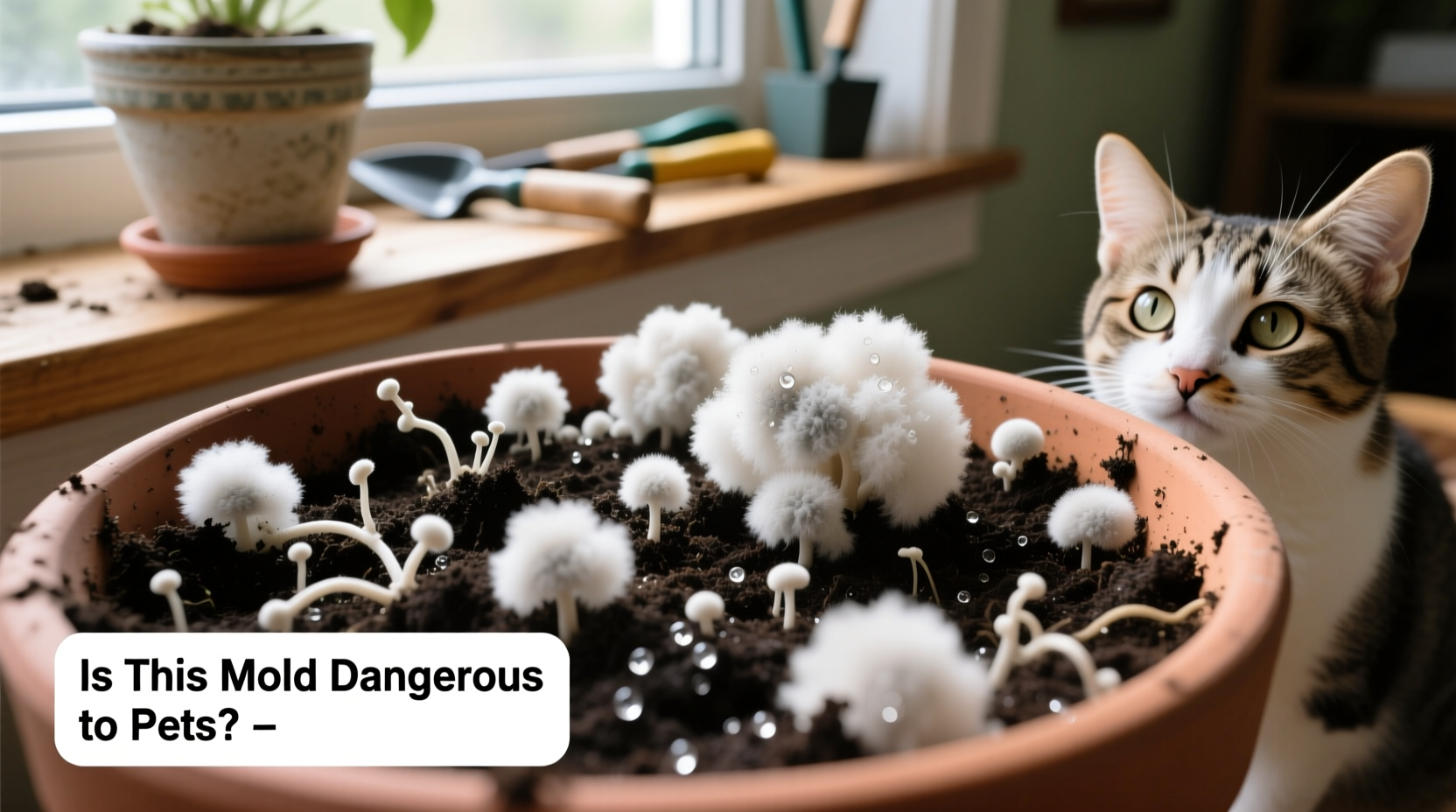
The white substance you see is typically a type of saprophytic fungus. These fungi feed on decaying organic matter in the soil, such as dead leaves, bark, or excess fertilizer. They thrive in damp, poorly ventilated environments—conditions that are unfortunately common in overwatered potted plants. Unlike parasitic molds that attack living plant tissue, saprophytic fungi don’t directly harm healthy roots or stems. However, their presence signals that environmental conditions favor microbial overgrowth, which can indirectly stress your plant.
This mold often appears as a cottony, web-like layer across the topsoil. It may be mistaken for mineral deposits or perlite (a common soil additive), but unlike perlite—which remains firm and grainy—mold spreads and can darken over time if left untreated.
Tip: To confirm it’s mold, gently touch the substance with a stick. If it breaks apart easily and has a soft texture, it’s likely fungal growth.Why Does Mold Grow in Houseplant Soil?
Mold flourishes under specific conditions. Identifying these root causes helps prevent recurrence and promotes healthier plants.
1. Overwatering
The most common trigger for mold is excessive moisture. When soil stays wet for too long, oxygen levels drop, creating an anaerobic environment ideal for fungi. Many indoor gardeners water on a fixed schedule rather than checking actual soil needs, leading to chronic dampness.
2. Poor Drainage
Pots without drainage holes trap water at the bottom. Even with holes, compacted soil or saucers left full of standing water contribute to soggy conditions. Terracotta pots help wick away moisture, while plastic retains it longer.
3. Low Light and Air Circulation
Dark corners of rooms with little airflow slow evaporation and encourage mold spores to settle and grow. Closed windows, lack of ceiling fans, and overcrowded plant shelves all reduce ventilation.
4. Organic-Rich Soil
While nutrient-dense potting mixes support plant growth, they also provide food for microbes. Compost-heavy soils are especially prone to fungal activity when combined with moisture.
5. Contaminated Soil or Tools
Fresh potting mix is usually sterile, but exposure to outdoor elements, dirty tools, or reused containers can introduce mold spores. Always use clean pots and fresh soil when repotting.
“Mold in houseplant soil is rarely an emergency, but it’s a red flag. It tells you the plant’s environment needs adjustment.” — Dr. Laura Nguyen, Urban Horticulturist and Plant Pathologist
Is White Mold Dangerous to Pets?
The real concern arises when pets interact with the mold. Cats and dogs, especially kittens and puppies, are naturally curious. They may sniff, paw at, or even eat moldy soil—a behavior known as geophagia.
Most common saprophytic molds (like Trichoderma or Mucor) are not highly toxic, but ingestion can still cause gastrointestinal upset. Symptoms include:
- Vomiting
- Diarrhea
- Loss of appetite
- Drooling or nausea
However, some molds produce mycotoxins. While rare in typical houseplant scenarios, certain species like Aspergillus can develop under prolonged damp conditions. Inhaled or ingested mycotoxins may lead to more serious issues, particularly in immunocompromised animals or those with respiratory sensitivities.
Cats are especially vulnerable due to grooming habits. If mold spores attach to their fur during exploration, they may ingest them while cleaning themselves.
Pet Risk Level by Species
| Pet Type | Risk Level | Common Reactions |
|---|---|---|
| Dogs | Moderate | GI distress, vomiting after ingestion |
| Cats | High | Grooming-related ingestion, possible respiratory irritation |
| Birds & Small Mammals | Very High | Sensitive respiratory systems; avoid exposure entirely |
How to Safely Remove and Prevent Mold
Eliminating mold requires both immediate action and long-term adjustments. The goal is to restore balance to the plant’s ecosystem without resorting to harsh chemicals, especially in homes with pets.
Step-by-Step Guide to Treating Moldy Soil
- Isolate the Plant: Move it away from other plants to prevent spore spread.
- Remove Topsoil: Scoop off the top 1–2 inches of moldy soil using a spoon. Dispose of it in a sealed bag.
- Apply Natural Fungicide: Sprinkle ground cinnamon (a natural antifungal) or a diluted hydrogen peroxide solution (1 part 3% H₂O₂ to 4 parts water) over the exposed soil.
- Improve Airflow: Use a small fan nearby or relocate the plant to a well-ventilated area.
- Adjust Watering Routine: Let the top inch of soil dry completely before watering again.
- Repot if Necessary: For severe infestations, transfer the plant to fresh, sterile potting mix and a clean container.
Avoid using chemical fungicides unless absolutely necessary, as residues can harm pets through contact or ingestion. Neem oil, while effective, should be used cautiously—it’s toxic to cats if ingested.
Prevention Checklist
- ✅ Water only when the top inch of soil feels dry
- ✅ Ensure pots have drainage holes and empty saucers after watering
- ✅ Use well-aerated potting mix with perlite or sand
- ✅ Provide adequate light (most houseplants need 6–8 hours of indirect sunlight)
- ✅ Gently stir the soil surface weekly to disrupt mold spores
- ✅ Keep plants spaced to allow air circulation
“Cinnamon is one of the safest, most effective remedies for minor mold outbreaks. It’s non-toxic and readily available in any kitchen.” — Maria Thompson, Certified Master Gardener and Pet-Safe Plant Care Advocate
Real-Life Example: A Cat Owner’s Close Call
Sarah, a cat owner in Portland, noticed her fiddle-leaf fig had developed a white film on the soil. She didn’t think much of it—until her cat, Milo, began sneezing frequently and avoided the room where the plant sat. After consulting her vet, she learned that airborne mold spores could irritate sensitive respiratory systems. Sarah removed the topsoil, repotted with fresh mix, and placed a decorative stone layer on top to deter digging. Within days, Milo’s symptoms improved. “I never realized houseplants could affect my pet’s health,” she said. “Now I check every plant monthly.”
This case highlights how subtle signs—especially in pets—can point to environmental issues we might overlook. Regular monitoring benefits both plants and animals.
Frequently Asked Questions
Can I just scrape off the mold and ignore it?
You can remove the visible mold, but unless you address the underlying cause—usually overwatering or poor airflow—it will return. Scraping is a temporary fix; prevention is key.
Is the white stuff always mold?
Not always. Perlite, a common ingredient in potting soil, appears as small white granules and doesn’t spread. Mold, on the other hand, forms a network and may turn gray or black over time. If it’s fluffy and grows, it’s likely fungal.
Are there pet-safe alternatives to chemical treatments?
Yes. Cinnamon, chamomile tea (cooled and sprayed lightly), and diluted hydrogen peroxide are all effective and non-toxic options. Avoid essential oils like tea tree or eucalyptus, which are hazardous to pets.
Conclusion: Protect Your Plants and Pets Together
White mold on plant soil isn’t usually a death sentence for your houseplant, but it shouldn’t be ignored—especially in homes with pets. What starts as a cosmetic flaw can escalate into a health concern if spores are inhaled or ingested. The good news is that simple changes in care can eliminate mold and prevent its return. By adjusting your watering habits, improving airflow, and using natural remedies, you create a safer, healthier environment for both your green companions and your furry ones.
Start today: inspect your plants, test the soil moisture, and take action at the first sign of fuzz. Your vigilance now can prevent discomfort—or worse—for your pets later. Healthy plants and happy pets aren’t mutually exclusive. With informed care, they thrive together.
💬 Have a story about mold and pets? Share your experience below. Your insight could help another pet-loving plant parent avoid a risky situation.








