
Nasal scabbing—though often overlooked—is a surprisingly common issue that can range from mildly irritating to chronically uncomfortable. The inside of the nose is lined with delicate mucous membranes rich in blood vessels, making them prone to irritation, drying, and injury. When these tissues are compromised, scabs can form as part of the body’s natural healing process. While occasional scabbing may not be cause for concern, persistent or recurring nasal scabs could signal underlying conditions or habits that need attention.
Understanding the root causes and knowing how to treat and prevent internal nasal scabbing is essential for long-term comfort and health. This article explores the most frequent reasons behind nasal scab formation, outlines safe and effective treatment strategies, and provides practical steps to keep your nasal passages healthy.
Common Causes of Nasal Scabbing
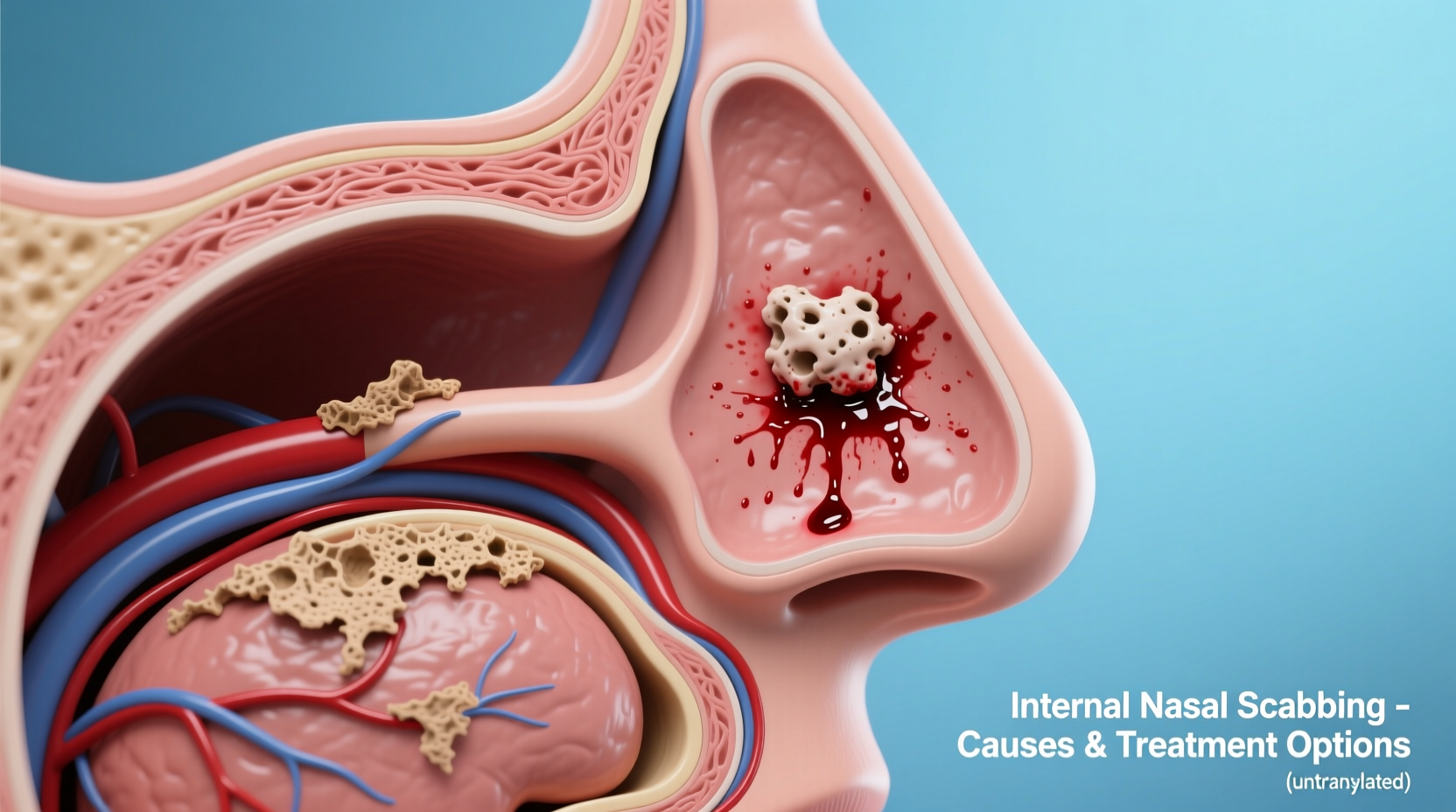
The inside of the nose is one of the most sensitive areas of the respiratory tract. Any disruption to its moist, protective lining can lead to cracking, bleeding, and eventually scabbing. Several factors contribute to this condition:
- Dry Air: Low humidity, especially during winter months or in air-conditioned environments, dries out nasal membranes, leading to cracking and scab formation.
- Nose Picking: A common but damaging habit. Repeated picking introduces bacteria and physically damages tissue, increasing the risk of scabs and infection.
- Allergies and Infections: Chronic sinusitis, colds, or allergic rhinitis cause inflammation and increased mucus production, which can dry into crusts and scabs.
- Nasal Sprays: Overuse of decongestant sprays (e.g., oxymetazoline) can irritate the nasal lining and lead to rebound congestion and tissue damage.
- Nasal Trauma: Blunt injury, aggressive nose blowing, or even habitual rubbing can injure the fragile mucosa.
- Autoimmune Conditions: Diseases like Sjögren’s syndrome or lupus can reduce moisture production and impair healing.
- Nasal Surgery or Devices: Post-operative healing or use of CPAP machines may dry or irritate nasal passages.
“Persistent nasal scabbing should never be ignored. It’s often the body’s way of signaling an imbalance—whether environmental, behavioral, or medical.” — Dr. Lena Patel, OtolaryngologistTip: Use a humidifier at night, especially in dry climates or heated rooms, to maintain optimal moisture levels in nasal passages.
Treatment Options for Nasal Scabs
Treating nasal scabs effectively requires addressing both symptoms and underlying causes. The goal is to promote healing, reduce discomfort, and prevent recurrence. Here are proven treatment approaches:
1. Moisturize the Nasal Lining
Restoring moisture is the first step in healing. Safe, non-irritating agents include:
- Saline nasal sprays: Help hydrate and flush out irritants.
- Petroleum jelly (applied gently): Use a cotton swab to apply a small amount just inside the nostrils. Avoid deep insertion.
- Nasal gels (e.g., Ayr Gel or Burt’s Bees Nasal Stick): Formulated specifically for nasal hydration without clogging pores.
2. Use Antibiotic Ointments (When Needed)
If scabs are associated with minor cuts or signs of bacterial infection (yellow crusting, odor), a doctor may recommend topical antibiotic ointments such as bacitracin or mupirocin. These should only be used short-term and under guidance to avoid resistance.
3. Avoid Irritants
Eliminate known triggers like cigarette smoke, chemical fumes, strong perfumes, and allergens. Wearing a mask in polluted environments can help protect nasal tissues.
4. Treat Underlying Conditions
If allergies, chronic sinusitis, or autoimmune disorders are contributing, managing these with appropriate medications (antihistamines, corticosteroids, immunosuppressants) can resolve scabbing at the source.
Step-by-Step Healing Routine
Follow this daily routine to support healing and prevent new scabs:
- Morning: Rinse nasal passages with a saline spray or neti pot using sterile water.
- Midday: Reapply saline spray if experiencing dryness or irritation.
- Evening: Gently apply a thin layer of petroleum jelly or nasal gel before bed.
- Night: Run a cool-mist humidifier in the bedroom.
- Ongoing: Keep fingernails short and avoid touching the inside of the nose.
Do’s and Don’ts: Managing Nasal Scabbing
| Do’s | Don’ts |
|---|---|
| Use saline sprays regularly | Use alcohol-based nasal products |
| Apply moisturizing gels gently | Pick or peel scabs |
| Run a humidifier in dry environments | Overuse decongestant sprays (>3 days) |
| Treat allergies promptly | Blow your nose too hard |
| Wash hands before touching nose | Ignore signs of infection (pus, swelling) |
When to See a Doctor
While most cases of nasal scabbing resolve with home care, certain red flags require medical evaluation:
- Scabs that persist for more than 2–3 weeks despite treatment
- Frequent nosebleeds
- Visible sores, ulcers, or asymmetrical crusting
- Facial pain, swelling, or foul-smelling discharge
- A history of autoimmune disease or recent nasal surgery
In rare cases, chronic scabbing may be linked to serious conditions such as nasal vestibulitis, granulomatosis with polyangiitis, or even intranasal tumors. A healthcare provider may perform a nasal endoscopy or order blood tests to rule out systemic causes.
Mini Case Study: Chronic Scabbing Due to Dry Air and CPAP Use
Mark, a 54-year-old man with sleep apnea, began experiencing persistent nasal scabs six months after starting CPAP therapy. He attributed it to dryness but continued using the machine without adjustments. Over time, the scabs became painful and bled frequently. After consulting an ENT specialist, he learned his CPAP lacked a heated humidifier. The doctor recommended adding a humidification system, switching to a saline gel at night, and using a nasal moisturizer. Within three weeks, Mark’s symptoms improved significantly, and the scabs healed completely.
This case highlights how environmental devices—even those used for health—can inadvertently damage nasal tissue if not properly managed.
Prevention Checklist
Stay ahead of nasal scabbing with this simple prevention checklist:
- ✅ Use a humidifier in dry or heated rooms
- ✅ Apply saline spray daily, especially in winter
- ✅ Avoid nose picking or aggressive nose blowing
- ✅ Limit use of decongestant nasal sprays to 3 days max
- ✅ Stay hydrated by drinking plenty of water
- ✅ Treat allergies and sinus infections early
- ✅ Keep nails trimmed to reduce accidental injury
- ✅ Use a nasal moisturizer if you have dry nose symptoms
Frequently Asked Questions
Can nasal scabs cause nosebleeds?
Yes. Scabs form over small wounds in the nasal lining. When they dry out or are disturbed (e.g., by blowing the nose or picking), they can crack open and trigger bleeding. The anterior part of the nose has many blood vessels, making it prone to epistaxis (nosebleeds).
Is it safe to use Vaseline inside the nose?
In small amounts applied externally or just inside the nostrils, petroleum jelly is generally safe. However, avoid deep application, as there’s a rare risk of lipoid pneumonia if particles are inhaled into the lungs over time. For safer alternatives, consider nasal-specific gels or ointments.
Why do I get scabs only on one side of my nose?
Unilateral scabbing is often due to habitual behaviors like favoring one nostril when picking or blowing, or sleeping on one side, which can increase airflow and dryness on that side. It can also indicate localized irritation from a deviated septum or previous injury.
Conclusion: Take Action for Lasting Relief
Nasal scabbing inside the nose is more than just a nuisance—it’s a sign that your nasal environment needs care. Whether caused by dry air, habits, or underlying health issues, the right approach can bring lasting relief. By understanding the causes, applying consistent treatments, and adopting preventive habits, you can restore comfort and protect your nasal health.
💬 Your nose deserves care too. Start a daily hydration routine today, and share your experience or tips in the comments to help others breathe easier.








