Leopard geckos are generally reliable eaters, so when they stop consuming food, it’s natural for owners to grow concerned. A loss of appetite can signal anything from a minor environmental shift to a serious health condition. Unlike mammals, reptiles often hide signs of illness until symptoms become advanced, making early intervention critical. Understanding the root causes behind a skipped meal—and knowing how to respond—can mean the difference between a quick recovery and prolonged health issues.
This guide explores the most common reasons leopard geckos refuse food, outlines practical steps to encourage eating, and provides actionable strategies backed by herpetological experts. Whether your gecko has missed one meal or several weeks of feedings, this information will help you assess the situation confidently and take appropriate action.
Common Reasons Leopard Geckos Stop Eating
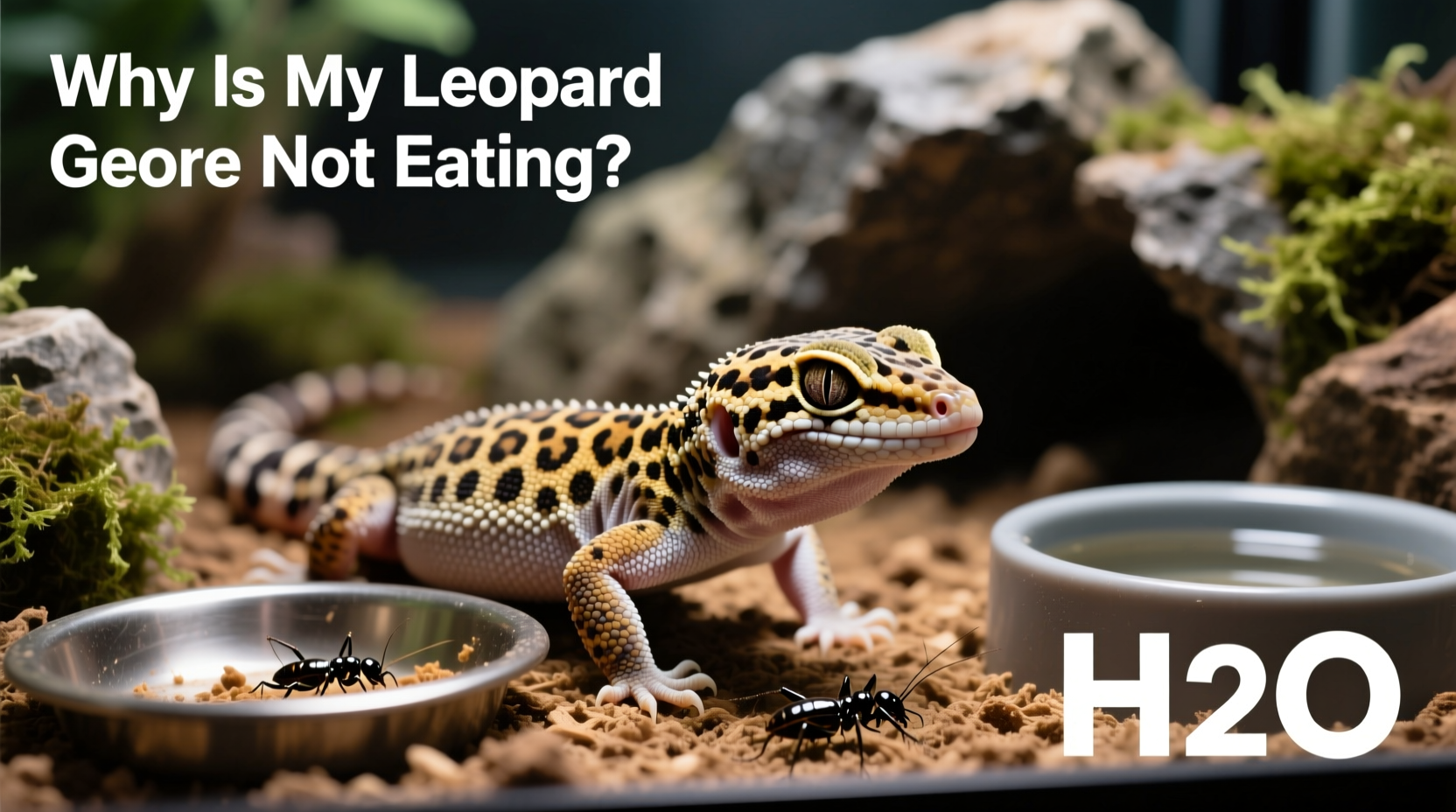
Before attempting to stimulate appetite, it's essential to identify potential causes. Many factors influence feeding behavior in leopard geckos, ranging from natural cycles to underlying disease. Here are the most frequent contributors:
- Brumation: A seasonal slowdown in metabolism, typically occurring in cooler months. During brumation, geckos may eat little or nothing for weeks.
- Improper Temperatures: Leopard geckos rely on external heat to digest food. If the warm side of the enclosure falls below 88°F (31°C), digestion halts, reducing appetite.
- Stress: Relocation, loud environments, excessive handling, or aggressive tank mates can suppress feeding.
- Shedding: Appetite often decreases just before and during shedding due to discomfort and reduced visibility.
- Illness: Parasites, respiratory infections, mouth rot, or gastrointestinal blockages can all lead to anorexia.
- Dietary Boredom: Feeding only one type of insect may cause disinterest over time.
- Age: Young geckos eat more frequently than adults; older individuals naturally consume less.
How to Stimulate Your Leopard Gecko’s Appetite
Once acute medical emergencies have been ruled out—or while preparing for a vet visit—you can try several safe, proven techniques to reignite interest in food. These methods work best when combined with proper husbandry adjustments.
1. Optimize Enclosure Conditions
Temperature and humidity are foundational to appetite. Ensure your setup includes:
- A thermal gradient: 88–92°F (31–33°C) on the warm side, 75–80°F (24–27°C) on the cool side.
- An under-tank heater or ceramic heat emitter (not a heat lamp, as leopard geckos are nocturnal).
- A moist hide filled with damp sphagnum moss to aid shedding and hydration.
- Low ambient light at night to maintain natural circadian rhythms.
2. Offer Highly Palatable Prey
Varying diet and enhancing flavor can spark curiosity:
- Try scenting feeder insects with baby food (banana or chicken flavors are popular).
- Offer waxworms or superworms sparingly—these are high-fat “treat” insects that many geckos find irresistible.
- Gently wiggle prey items with tweezers near the gecko’s snout to simulate movement.
- Feed during peak activity hours—typically dusk to early night.
3. Reduce Environmental Stressors
Minimize disturbances around the enclosure. Keep the tank in a quiet area away from foot traffic, pets, or bright lights. Avoid handling for at least 7–10 days while encouraging feeding.
4. Hand-Feeding and Syringe Trials (for severe cases)
If your gecko hasn’t eaten for over two weeks and shows weight loss, consult a veterinarian before attempting assisted feeding. In some cases, a vet may recommend short-term use of a high-calorie liquid supplement administered via syringe (without a needle). This should never be forced and only done under professional guidance.
When to See a Veterinarian: Warning Signs
Not every case of poor appetite resolves at home. Some conditions require immediate veterinary attention. Watch for these red flags:
| Symptom | Possible Cause | Action Required |
|---|---|---|
| Lethargy and unresponsiveness | Infection, dehydration, organ failure | Seek urgent vet care |
| Swollen limbs or jaw | Metabolic bone disease (MBD) | Veterinary diagnosis and calcium therapy |
| Regurgitation or undigested food in droppings | Digestive obstruction or parasites | Fecal exam and possible deworming |
| Discharge from nose or mouth | Respiratory infection | Antibiotics prescribed by exotic vet |
| Retained shed around toes or eyes | Hydration or humidity issue | Soak gently and improve moist hide |
“Anorexia in leopard geckos is rarely behavioral. It’s almost always physiological. Owners should assume something is wrong until proven otherwise.” — Dr. Melissa Kaplan, Reptile Medicine Specialist
Step-by-Step Plan to Restore Normal Feeding
Follow this timeline-based approach to systematically address appetite loss:
- Day 1–2: Assess Environment
Check temperatures with a digital thermometer, verify humidity levels (40–60%), and ensure hiding spots are secure and accessible. - Day 3: Review Recent Changes
Did you move the enclosure? Introduce new substrate? Change feeders? Revert any recent changes temporarily. - Day 4–5: Offer Variety
Present crickets, mealworms, and a waxworm or two. Try scenting prey with banana baby food or placing a drop near the gecko’s mouth (do not apply directly). - Day 6–7: Monitor Weight & Behavior
Weigh your gecko. If stable and active, continue observation. If weight has dropped, increase warmth slightly (within safe range) and reduce distractions. - Day 8–10: Consult a Vet if No Improvement
Schedule an appointment with a reptile-experienced veterinarian. Bring a fresh fecal sample if possible. - Day 11+: Follow Medical Advice
If treatment begins, track progress daily. Even small improvements—like increased alertness—are positive signs.
Mini Case Study: Luna the Picky Eater
Luna, a 2-year-old female leopard gecko, stopped eating after her owner upgraded to a larger tank. Over three weeks, she lost nearly 15% of her body weight. The owner initially assumed it was stress from the move, but despite offering crickets and mealworms, Luna remained uninterested.
After consulting a reptile vet, the owner discovered two issues: the new enclosure lacked a proper thermal gradient (the warm side was only 82°F), and Luna had a mild pinworm infestation. The vet prescribed fenbendazole and advised adjusting the heating setup.
Within a week of correcting the temperature and completing deworming, Luna began accepting food again. The owner introduced variety—dusting crickets with different flavored supplements and occasionally offering superworms—and Luna’s appetite fully returned by day 18.
This case underscores the importance of not assuming stress is the sole cause—and highlights how multiple factors can compound to suppress appetite.
Prevention Checklist: Maintain Consistent Appetite
Proactive care prevents most feeding issues. Use this checklist monthly:
- ✅ Verify basking temperature with a calibrated thermometer
- ✅ Clean water dish and refill daily
- ✅ Rotate feeder insects (crickets, dubia roaches, mealworms, occasional waxworms)
- ✅ Dust prey with calcium + D3 (every other feeding for adults, daily for juveniles)
- ✅ Inspect for retained shed, especially around eyes and toes
- ✅ Weigh gecko biweekly and log results
- ✅ Minimize noise and sudden movements near the enclosure
- ✅ Schedule annual wellness checkups with an exotic vet
FAQ: Common Questions About Leopard Gecko Appetite
How long can a leopard gecko go without eating?
Healthy adult leopard geckos can survive 2–3 weeks without food by relying on fat stores in their tails. However, this is not normal or healthy long-term. Juveniles should never go more than 7–10 days without eating, as they lack sufficient reserves and are in a critical growth phase.
Should I force-feed my leopard gecko?
No. Force-feeding can cause aspiration, trauma, or further stress. Only offer assisted feeding under the direction of a qualified reptile veterinarian. Liquid supplements via syringe may be recommended temporarily, but must be administered carefully.
Can dehydration cause loss of appetite?
Yes. Dehydration impairs digestion and overall metabolic function. Ensure clean water is always available and consider soaking your gecko in shallow, warm water (85°F) for 10–15 minutes twice a week if intake seems low. A moist hide also supports hydration passively.
Conclusion: Take Action with Confidence
A leopard gecko not eating is a call to investigate—not panic. Most cases stem from correctable husbandry issues or temporary biological cycles like shedding or brumation. But because illness can progress quickly in reptiles, timely assessment is crucial. By methodically checking temperatures, offering enticing food options, monitoring weight, and knowing when to seek expert help, you position your pet for a swift return to health.
Your attentiveness today builds the foundation for a longer, healthier life for your gecko. Don’t wait weeks hoping the problem resolves—act early, document changes, and partner with a trusted reptile vet when needed. With the right care, most leopard geckos regain their appetite and thrive for years to come.
💬 Have experience helping a picky or sick leopard gecko eat again? Share your story in the comments—your insight could help another owner in need.








