Hemoglobin is a vital protein in red blood cells responsible for carrying oxygen from the lungs to tissues throughout the body. When hemoglobin levels fall below normal—typically less than 13.5 g/dL in men and 12.0 g/dL in women—it results in a condition known as anemia. Low hemoglobin can stem from various underlying causes, ranging from nutritional deficiencies to chronic diseases. Recognizing the signs early and understanding treatment options are crucial steps toward restoring energy, improving well-being, and preventing complications.
Understanding Hemoglobin and Its Role
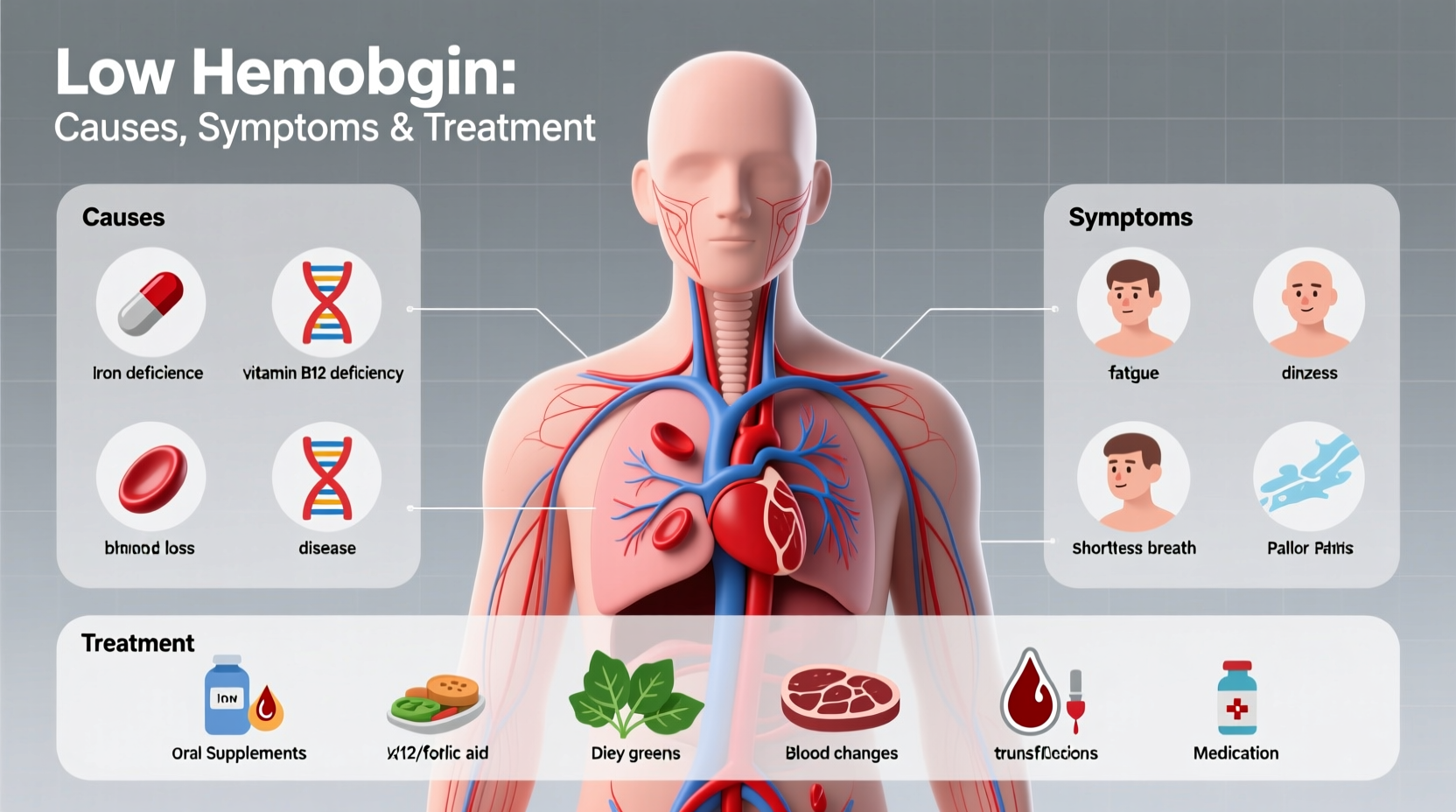
Hemoglobin binds with oxygen in the lungs and delivers it to organs, muscles, and cells that need it to function. It also helps transport carbon dioxide back to the lungs for exhalation. A drop in hemoglobin disrupts this balance, leading to hypoxia (low oxygen levels) at the cellular level. This can impair physical performance, cognitive function, and overall vitality.
The body continuously produces new red blood cells in the bone marrow, which requires adequate supplies of iron, vitamin B12, folate, and other nutrients. Any disruption in production, increased destruction of red blood cells, or blood loss can lead to low hemoglobin.
Tip: Regular blood tests, especially if you're fatigued or have risk factors, can catch low hemoglobin before symptoms become severe.Common Causes of Low Hemoglobin
Low hemoglobin isn’t a disease itself but a sign of an underlying issue. Identifying the root cause is essential for effective treatment. The most frequent contributors include:
- Iron deficiency: The leading cause worldwide. Iron is essential for hemoglobin synthesis. Insufficient dietary intake, poor absorption (e.g., celiac disease), or blood loss (menstruation, ulcers, GI bleeding) deplete iron stores.
- Vitamin deficiencies: Lack of vitamin B12 or folate impairs red blood cell formation, causing megaloblastic anemia.
- Chronic diseases: Conditions like kidney disease, cancer, rheumatoid arthritis, or inflammatory bowel disease can suppress red blood cell production.
- Blood loss: Acute (trauma, surgery) or chronic (heavy periods, gastrointestinal bleeding) reduces hemoglobin rapidly.
- Hemolysis: Premature destruction of red blood cells due to autoimmune disorders, infections, or inherited conditions like sickle cell anemia or thalassemia.
- Bone marrow disorders: Leukemia, myelodysplastic syndromes, or chemotherapy can interfere with blood cell production.
“Hemoglobin levels tell us more than just about oxygen—they’re a window into systemic health.” — Dr. Alan Reyes, Hematologist
Symptoms of Low Hemoglobin
Symptoms vary depending on how quickly hemoglobin drops and the severity of the deficiency. Mild cases may go unnoticed, while severe anemia can be life-threatening.
| Symptom | Description |
|---|---|
| Fatigue and weakness | Most common symptom; results from reduced oxygen delivery to muscles and brain. |
| Pale skin | Reduced blood flow and hemoglobin cause paleness, especially in face, nails, and inner eyelids. |
| Shortness of breath | Occurs during exertion or even at rest in severe cases as lungs try to compensate. |
| Dizziness or lightheadedness | Brain receives less oxygen, especially when standing up quickly. |
| Cold hands and feet | Poor circulation due to inefficient oxygen transport. |
| Rapid or irregular heartbeat | Heart works harder to deliver oxygen, increasing cardiac output. |
| Headaches and difficulty concentrating | Neurological effects of chronic hypoxia. |
In children and pregnant individuals, low hemoglobin can lead to developmental delays or pregnancy complications such as preterm birth and low birth weight.
Treatment Options Based on Cause
Effective treatment depends on accurately diagnosing the underlying cause. A complete blood count (CBC), iron studies, vitamin levels, and sometimes bone marrow testing help guide therapy.
Nutritional Deficiencies
If iron deficiency is confirmed, oral iron supplements (ferrous sulfate, gluconate, or fumarate) are typically prescribed. Vitamin C enhances iron absorption, so taking supplements with orange juice is often recommended.
For B12 or folate deficiency, supplementation via pills or injections (especially for B12 in malabsorption cases) restores levels over weeks.
Tip: Take iron on an empty stomach for better absorption, unless it causes stomach upset—then take with a small meal.Managing Blood Loss
Identifying and treating the source of bleeding is critical. In women with heavy menstrual bleeding, hormonal therapies or procedures like endometrial ablation may be considered. For gastrointestinal bleeding, endoscopy or colonoscopy helps locate and stop the bleed.
Chronic Disease Anemia
In kidney disease, erythropoiesis-stimulating agents (ESAs) may be used to boost red blood cell production. Managing inflammation and optimizing treatment of the primary illness are equally important.
Severe Cases
When hemoglobin drops dangerously low (<7 g/dL), or symptoms are acute, a blood transfusion may be necessary. This provides immediate relief but does not address the root cause.
Step-by-Step Guide to Improving Hemoglobin Naturally
While medical treatment is essential in diagnosed cases, lifestyle and dietary changes support recovery and prevent recurrence.
- Eat iron-rich foods: Include lean red meat, poultry, fish, lentils, spinach, tofu, and fortified cereals. Pair plant-based iron (non-heme) with vitamin C-rich foods like bell peppers, strawberries, or citrus.
- Avoid inhibitors: Tea, coffee, calcium supplements, and whole grains contain compounds that reduce iron absorption. Avoid consuming them within one hour of iron-rich meals or supplements.
- Monitor menstruation: Track cycles and report unusually heavy bleeding to a healthcare provider.
- Stay hydrated: Dehydration can temporarily lower hemoglobin concentration by reducing plasma volume.
- Exercise moderately: Regular physical activity stimulates red blood cell production, but avoid overexertion if already fatigued.
Mini Case Study: Recovery from Iron Deficiency Anemia
Sarah, a 32-year-old teacher, experienced persistent fatigue, dizziness, and difficulty focusing at work. Her annual check-up revealed a hemoglobin level of 9.8 g/dL. Further testing showed low ferritin (iron stores) and mild microcytic anemia. After ruling out gastrointestinal causes, her doctor diagnosed iron deficiency due to heavy periods and a vegetarian diet low in absorbable iron.
She began taking ferrous sulfate daily with orange juice and added lentils, pumpkin seeds, and spinach to her meals. Within three months, her hemoglobin rose to 12.6 g/dL, and her energy returned. She now schedules biannual blood tests and uses a menstrual tracking app to monitor flow intensity.
Do’s and Don’ts: Quick Reference Table
| Action | Do | Don't |
|---|---|---|
| Iron intake | Pair iron-rich foods with vitamin C | Drink tea or coffee with meals |
| Supplements | Take iron as directed, possibly split doses | Double dose if you miss one |
| Blood testing | Follow up after 4–6 weeks of treatment | Assume symptoms mean anemia without testing |
| Diet | Eat varied sources of heme and non-heme iron | Relay solely on spinach or supplements |
| Lifestyle | Engage in moderate aerobic exercise | Ignore chest pain or severe shortness of breath |
Frequently Asked Questions
Can stress cause low hemoglobin?
Stress alone doesn’t directly lower hemoglobin, but chronic stress can contribute to poor nutrition, sleep disruption, and inflammation, which may indirectly affect red blood cell production. It’s not a primary cause but can worsen existing conditions.
How long does it take to raise hemoglobin levels?
With proper treatment, hemoglobin typically increases by 1–2 g/dL per week in iron-deficiency cases. Most people see noticeable improvement in symptoms within 2–4 weeks, though full correction of iron stores may take 3–6 months.
Is low hemoglobin dangerous?
Mild cases may cause only fatigue, but untreated anemia increases risks of heart strain, weakened immunity, and complications during surgery or pregnancy. Severe anemia (below 7 g/dL) can lead to cardiac events and requires urgent care.
Conclusion and Next Steps
Low hemoglobin is a common yet serious condition that affects millions globally. While fatigue and paleness may seem minor, they can signal deeper health issues requiring attention. Whether caused by diet, blood loss, or chronic illness, identifying the root cause is the first step toward effective treatment.
Improving hemoglobin involves both medical intervention and sustainable lifestyle choices. From adjusting your diet to following up with lab tests, each action contributes to better oxygen delivery and improved quality of life.
💬 Have you experienced low hemoglobin? Share your journey or questions in the comments—your story could help someone else find answers.