
Finger numbness is a surprisingly common experience—many people notice it upon waking, during long drives, or after typing for hours. While occasional tingling may not be alarming, persistent or recurring numbness can signal an underlying health issue. Understanding the root cause is essential to determine whether the symptom is temporary or requires medical attention. From nerve compression to systemic diseases, multiple factors can lead to loss of sensation in one or more fingers. This article explores the most frequent causes, diagnostic approaches, treatment options, and practical steps you can take to protect hand function and overall well-being.
Common Causes of Finger Numbness
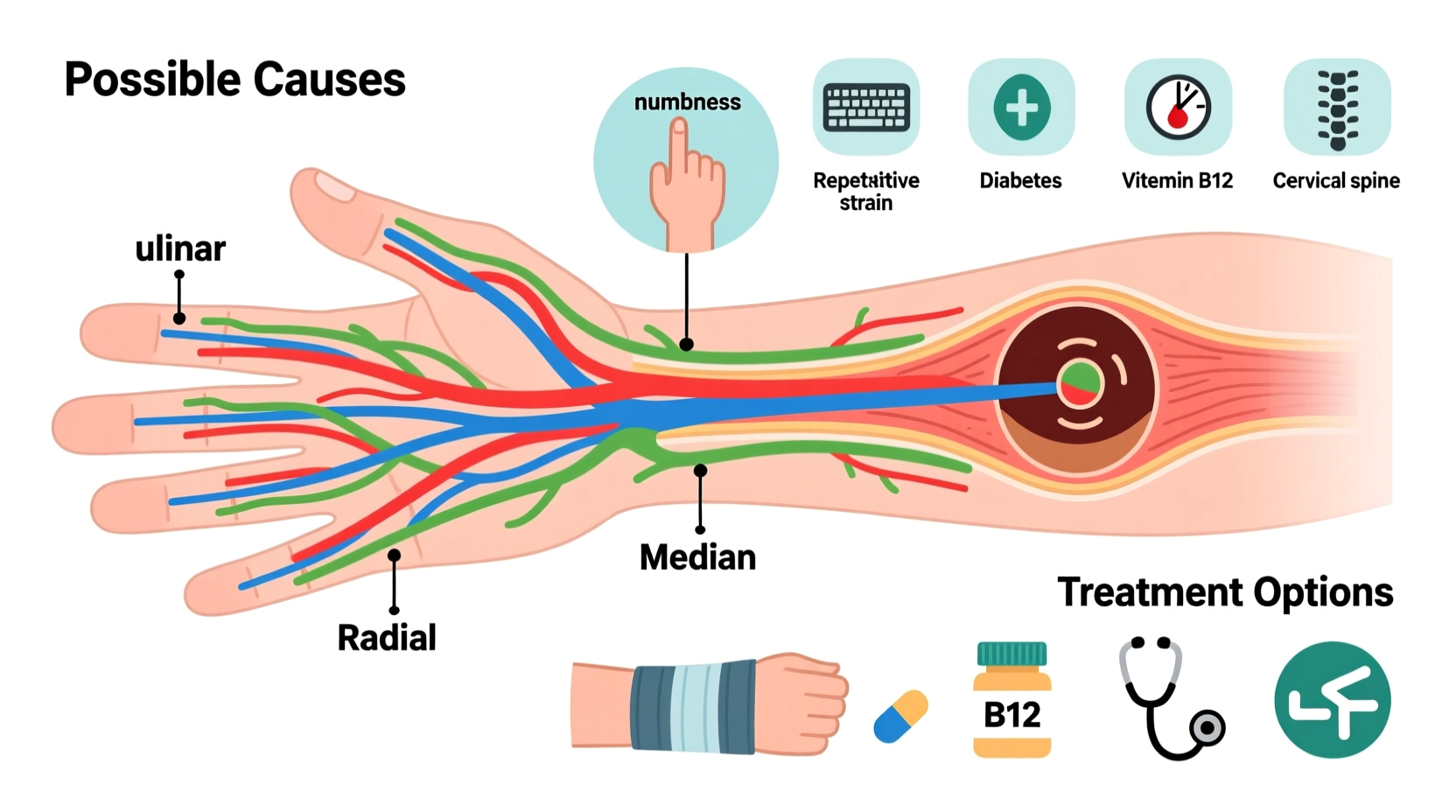
Numbness in the fingers typically results from disrupted nerve signaling. The nerves responsible for sensation in the hand originate in the cervical spine and travel through the arm via major pathways like the median, ulnar, and radial nerves. Any interference along this route can lead to altered sensation.
- Carpal Tunnel Syndrome: Compression of the median nerve at the wrist often causes numbness in the thumb, index, middle, and part of the ring finger. It’s common among people who perform repetitive hand motions.
- Cervical Radiculopathy: A pinched nerve in the neck (often due to a herniated disc or arthritis) can refer numbness down the arm into specific fingers, depending on which nerve root is affected.
- Ulnar Nerve Entrapment: Also known as “cubital tunnel syndrome,” this affects the little finger and half of the ring finger. Leaning on elbows or prolonged bending of the elbow can aggravate it.
- Diabetes: Chronically high blood sugar damages peripheral nerves, leading to diabetic neuropathy. This often starts symmetrically in the feet but can affect the hands as well.
- Vitamin Deficiencies: Low levels of B vitamins—especially B12, B6, and B1—can impair nerve function and result in numbness.
- Raynaud’s Phenomenon: A circulation disorder where small arteries constrict excessively in response to cold or stress, causing fingers to turn white or blue and feel numb.
When to Seek Medical Attention
Not all numbness demands urgent care, but certain red flags should prompt immediate evaluation. Sudden onset of finger numbness—especially when accompanied by other symptoms—could indicate a stroke or spinal cord issue.
“Sudden numbness in one hand, particularly with facial drooping or slurred speech, is a medical emergency. Time is critical in preventing permanent damage.” — Dr. Alan Reyes, Neurologist
Seek prompt medical help if you experience:
- Sudden numbness affecting one side of the body
- Weakness in the arm or difficulty gripping objects
- Dizziness, confusion, or trouble speaking
- Numbness following a neck or arm injury
- Progressive loss of coordination or muscle wasting in the hand
Differential Diagnosis: Mapping Symptoms to Nerves
Doctors often use sensory mapping to identify which nerve is involved. The pattern of numbness provides vital clues:
| Nerve Affected | Fingers Involved | Common Cause |
|---|---|---|
| Median Nerve | Thumb, index, middle, half of ring finger | Carpal tunnel syndrome, cervical radiculopathy (C6-C7) |
| Ulnar Nerve | Little finger, half of ring finger | Cubital tunnel syndrome, cervical radiculopathy (C8-T1) |
| Radial Nerve | Back of hand, thumb side | Compression near spiral groove (e.g., “Saturday night palsy”) |
| Cervical Spine (C6–T1) | Varies by level | Herniated disc, spinal stenosis, degenerative disc disease |
Treatment Options Based on Cause
Effective treatment depends on accurate diagnosis. Once the underlying condition is identified, interventions can range from lifestyle changes to surgery.
Carpal Tunnel Syndrome
Initial treatment includes wrist splinting at night, anti-inflammatory medications, and modifying activities that strain the wrist. Corticosteroid injections may provide short-term relief. In severe cases, carpal tunnel release surgery decompresses the nerve.
Diabetic Neuropathy
Better blood sugar control is the cornerstone of management. Medications like gabapentin or pregabalin can reduce nerve pain. Supplements such as alpha-lipoic acid may improve symptoms in some patients.
Vitamin Deficiency
B12 deficiency, common in vegetarians and older adults, can be corrected with oral or injectable supplements. Testing serum B12, methylmalonic acid, and homocysteine helps confirm the diagnosis.
Raynaud’s Phenomenon
Avoiding cold exposure and wearing gloves are primary strategies. In severe cases, calcium channel blockers like nifedipine help relax blood vessels.
Tip: Use heated gloves or hand warmers in cold weather if you have Raynaud’s or circulation-related numbness.Step-by-Step Guide to Managing Recurring Finger Numbness
If you're experiencing repeated episodes, follow this structured approach to identify triggers and seek appropriate care:
- Track Your Symptoms: Note when the numbness occurs, which fingers are affected, duration, and any associated activities (typing, driving, sleeping).
- Assess Lifestyle Factors: Evaluate ergonomics at work, sleeping posture, and hobbies involving repetitive motion.
- Try Conservative Measures: Use ergonomic keyboards, take breaks every 30 minutes, stretch wrists and shoulders regularly.
- See a Healthcare Provider: A primary care doctor may refer you to a neurologist, orthopedic specialist, or physical therapist.
- Undergo Diagnostic Tests: These may include nerve conduction studies, electromyography (EMG), MRI of the cervical spine, or blood tests for diabetes and vitamin levels.
- Follow Treatment Plan: Adhere to prescribed therapies, attend follow-ups, and report any worsening symptoms immediately.
Real-Life Example: Office Worker with Carpal Tunnel
Mark, a 42-year-old data analyst, began noticing his right hand felt “asleep” each morning. Over time, he struggled to hold his coffee cup without spilling. He initially dismissed it as poor sleep posture. After three months, the numbness spread, and he developed occasional sharp pains up his forearm. His doctor ordered an EMG, which confirmed moderate carpal tunnel syndrome. Mark was fitted with a nighttime wrist splint, adjusted his desk setup, and started nerve gliding exercises. Within eight weeks, his symptoms improved significantly. Early intervention prevented the need for surgery.
Prevention Checklist
To reduce your risk of developing chronic finger numbness, follow this actionable checklist:
- ✅ Maintain neutral wrist position during computer work
- ✅ Take micro-breaks every 30 minutes to stretch hands and arms
- ✅ Keep blood sugar levels in check if diabetic
- ✅ Eat a balanced diet rich in B vitamins (leafy greens, eggs, fortified cereals)
- ✅ Avoid prolonged pressure on elbows or wrists (e.g., resting on hard surfaces)
- ✅ Monitor for early signs of numbness and act quickly
Frequently Asked Questions
Can dehydration cause finger numbness?
While dehydration alone rarely causes isolated finger numbness, severe fluid and electrolyte imbalances may affect nerve function. More commonly, dehydration contributes to muscle cramps or fatigue rather than pure sensory loss. However, if combined with other conditions like diabetes or poor circulation, it could exacerbate symptoms.
Why do my fingers go numb when I sleep?
This is often due to sustained pressure on nerves during sleep—such as bending the wrist or lying on your arm. Carpal tunnel syndrome frequently worsens at night because fluid redistribution increases pressure in the wrist canal. Using a wrist splint can help maintain a neutral position and prevent compression.
Is finger numbness a sign of heart attack?
Not typically. Heart attacks usually present with chest pain, shortness of breath, nausea, and left arm pain—but not isolated finger numbness. However, referred pain from cardiac issues can sometimes radiate to the arm. If numbness is accompanied by chest discomfort, sweating, or dizziness, seek emergency care immediately.
Take Control of Your Hand Health
Finger numbness should never be ignored if it persists or interferes with daily life. Whether caused by repetitive strain, a metabolic condition, or nerve compression, timely recognition and action can prevent long-term damage. Simple adjustments in posture, routine, and self-care can make a significant difference. Don’t wait for symptoms to worsen—listen to your body and consult a healthcare professional if something feels off. Protecting your nerve health today ensures better mobility, strength, and quality of life tomorrow.
💬 Have you experienced finger numbness? Share your story or questions below—your insight could help someone find answers faster.