
If your female dog is suddenly urinating more frequently than usual, it’s natural to feel concerned. While occasional changes in bathroom habits can be normal, a consistent increase in urination—especially if accompanied by discomfort or accidents indoors—may point to an underlying health issue. Understanding the potential causes, recognizing red flags, and knowing when to consult a veterinarian are essential steps in protecting your dog’s well-being.
Common Causes of Increased Urination in Female Dogs
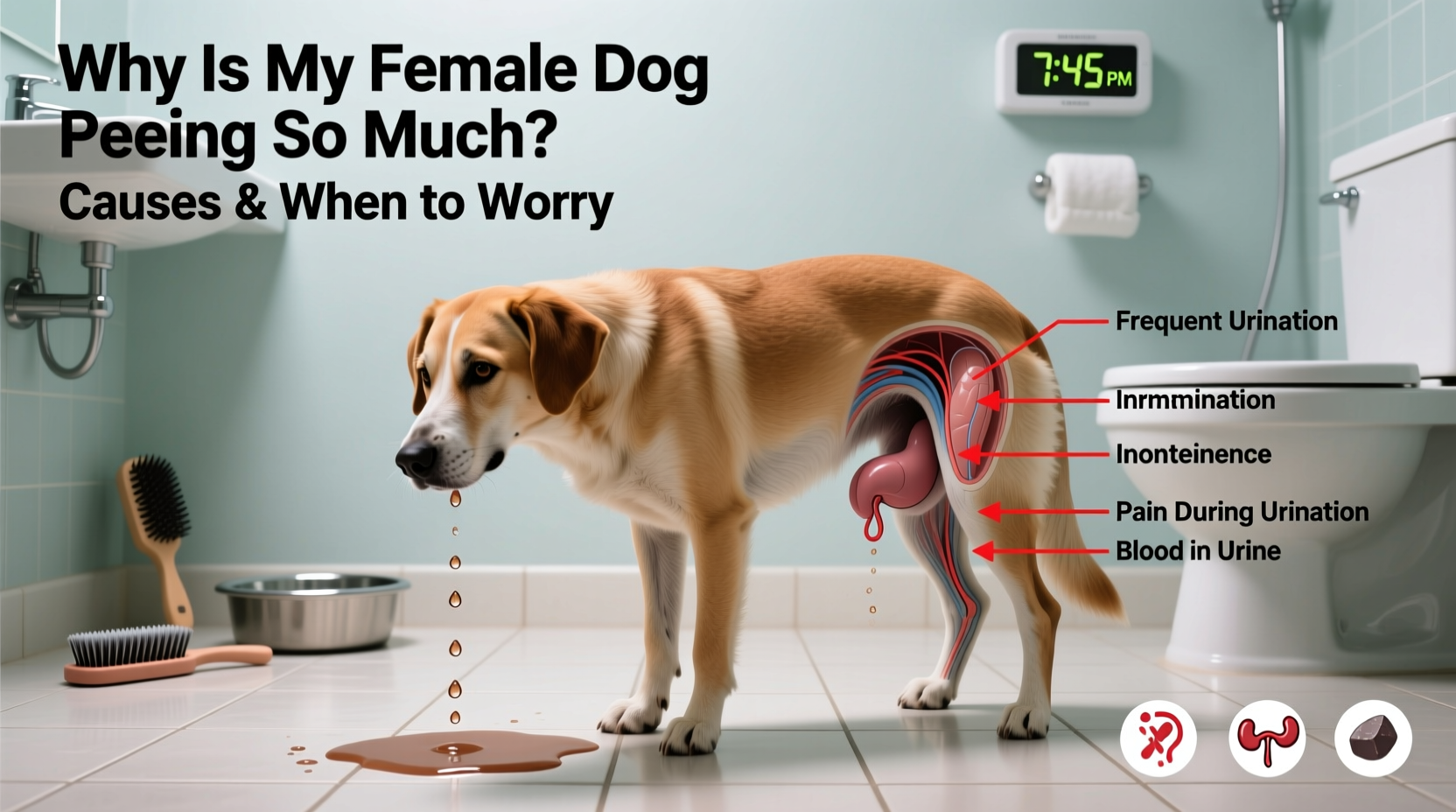
Increased urination, medically known as polyuria, can stem from various physical, behavioral, or environmental factors. In female dogs, some causes are more prevalent due to anatomy and hormonal fluctuations.
- Urinary Tract Infections (UTIs): One of the most frequent causes. Bacteria can enter the shorter urethra in female dogs more easily, leading to infection and irritation. Symptoms include frequent attempts to urinate, straining, and sometimes blood in the urine.
- Spayed Incontinence: Also called estrogen-responsive incontinence, this condition commonly affects spayed females. Reduced estrogen levels after spaying can weaken the urethral sphincter, causing involuntary leakage, especially during sleep.
- Diabetes Mellitus: Excess glucose in the bloodstream forces the kidneys to excrete more urine, leading to increased thirst and urination. Other signs include weight loss despite a good appetite and lethargy.
- Cushing’s Disease (Hyperadrenocorticism): This hormonal disorder causes the body to produce too much cortisol, which increases thirst and urination. Additional symptoms may include a pot-bellied appearance, hair loss, and thinning skin.
- Kidney Disease: Impaired kidney function reduces the body’s ability to concentrate urine, resulting in larger volumes of dilute urine. Older dogs are more at risk.
- Pregnancy or False Pregnancy: Hormonal shifts during or after heat cycles can mimic pregnancy and lead to behavioral or physiological changes, including increased urination.
- Medications: Certain drugs, such as corticosteroids or diuretics, can increase urine production as a side effect.
- Behavioral Factors: Anxiety, excitement, or territorial marking—even in females—can lead to frequent small voids, particularly around new people or pets.
When to Worry: Red Flags That Need Veterinary Attention
Not every change in urination habits requires immediate concern, but certain signs should prompt a visit to the vet within 24–48 hours.
“Any sudden change in urination frequency, effort, or volume warrants investigation. Early diagnosis improves outcomes, especially with conditions like diabetes or kidney disease.” — Dr. Lena Torres, DVM, Small Animal Internal Medicine Specialist
Symptoms that require prompt veterinary evaluation:
- Straining or crying while urinating
- Blood in the urine
- Inability to urinate despite trying
- Excessive licking of the genital area
- Accidents in house-trained dogs
- Lethargy, vomiting, or loss of appetite
- Noticeable increase in water consumption
Delaying care for urinary issues can lead to complications such as bladder rupture, kidney damage, or systemic infection. When in doubt, err on the side of caution and schedule a vet appointment.
Diagnostic Process: What to Expect at the Vet
A veterinarian will typically follow a step-by-step approach to identify the root cause.
- Medical History Review: The vet will ask about your dog’s age, spay status, diet, medications, and recent behavior changes.
- Physical Examination: Includes checking for abdominal pain, dehydration, and signs of infection.
- Urinalysis: A fresh urine sample is tested for pH, concentration, blood, glucose, protein, and bacteria.
- Blood Work: Assesses kidney function, blood sugar, and hormone levels.
- Imaging: Ultrasound or X-rays may be used to check for bladder stones, tumors, or structural abnormalities.
- Bacterial Culture: If infection is suspected, a culture identifies the specific bacteria and effective antibiotics.
Depending on initial results, further tests may be recommended, such as an ACTH stimulation test for Cushing’s disease or fructosamine testing for diabetes monitoring.
Do’s and Don’ts: Managing Frequent Urination at Home
| Do’s | Don’ts |
|---|---|
| Provide constant access to fresh water—never restrict unless directed by a vet. | Withhold water to reduce urination; this can worsen kidney stress. |
| Take your dog out more frequently, especially after meals or naps. | Scold her for accidents; these are often beyond her control. |
| Use washable pee pads or doggy diapers for incontinence. | Use human medications without veterinary guidance. |
| Keep a log of urination frequency, volume, and behavior. | Ignore symptoms hoping they’ll resolve on their own. |
Real-Life Example: Bella the Beagle
Bella, a 6-year-old spayed beagle, began having nighttime accidents despite being fully house-trained. Her owner initially assumed it was behavioral, but soon noticed Bella was drinking more water and seemed tired. A vet visit revealed a UTI complicated by early-stage kidney dysfunction. With antibiotics, a kidney-supportive diet, and scheduled bathroom breaks, Bella’s symptoms improved within two weeks. Her case highlights how multiple factors can overlap and why professional assessment is critical.
Prevention and Long-Term Management Tips
While not all causes of frequent urination can be prevented, proactive care reduces risks.
Tip: Schedule annual wellness exams, including urine screening, especially for dogs over 7 years old.- Maintain a consistent, high-quality diet appropriate for your dog’s age and size.
- Encourage regular bathroom breaks to prevent bacterial buildup.
- Consider discussing estrogen supplements with your vet if incontinence develops post-spaying.
- Monitor weight—obesity increases the risk of diabetes and joint strain affecting mobility to the outdoors.
Frequently Asked Questions
Can spaying cause my dog to leak urine?
Yes. Up to 20% of spayed female dogs develop urinary incontinence due to decreased estrogen affecting urethral tone. It often appears months or years after surgery and is treatable with medication like phenylpropanolamine (PPA) or low-dose estrogen therapy.
How much urination is too much?
Most healthy dogs urinate 3–5 times a day. If your dog is going more than once per hour, producing large puddles, or waking up multiple times at night, it’s worth investigating. Volume and consistency matter more than frequency alone.
Is it normal for older dogs to pee more?
Some increase in urination can occur with age due to reduced bladder capacity or early organ decline, but significant changes are not “just part of aging.” Conditions like kidney disease, diabetes, or cognitive dysfunction should be ruled out.
Conclusion: Take Action for Your Dog’s Health
Frequent urination in female dogs isn’t something to dismiss as a minor quirk. Whether it’s a simple UTI or a sign of a chronic illness, early detection leads to better management and a higher quality of life. Keep a close eye on your dog’s habits, document any changes, and don’t hesitate to seek veterinary advice. Your attention today could prevent serious complications tomorrow.
💬 Has your dog experienced sudden changes in urination? Share your story or questions below—we’d love to hear from you and help others recognize the signs early.








