Waking up to a puffy or swollen eye can be alarming, but it’s often the result of something minor like allergies or fatigue. However, in some cases, swelling around the eye may signal a more serious condition requiring prompt attention. Understanding the root cause, recognizing associated symptoms, and knowing which treatments are appropriate can make all the difference in recovery time and comfort.
Eye swelling occurs when fluid accumulates in the tissues surrounding the eye—most commonly the eyelids. While usually temporary and harmless, persistent or painful swelling should never be ignored. This article breaks down the most frequent causes, what other symptoms to watch for, and science-backed treatment strategies you can apply at home or with medical support.
Common Causes of a Swollen Eye
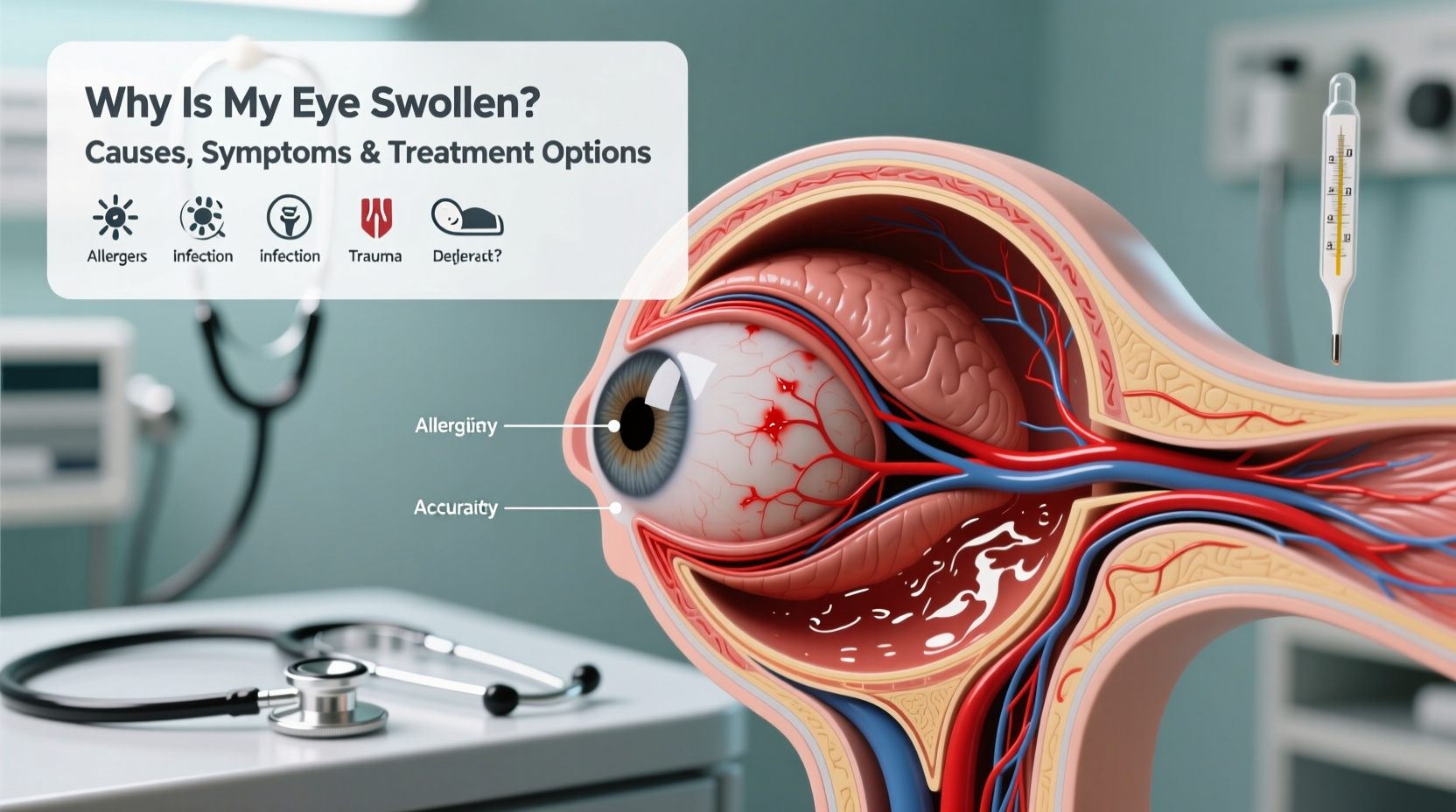
Swelling around the eye isn’t a diagnosis—it’s a symptom. The underlying cause determines whether the issue is fleeting or requires urgent care. Below are the most prevalent reasons people experience eye puffiness.
- Allergies: Seasonal allergens (pollen), pet dander, dust mites, or cosmetic products can trigger an immune response leading to itchy, watery, and swollen eyes.
- Conjunctivitis (Pink Eye): Viral or bacterial infections inflame the conjunctiva, causing redness, discharge, and noticeable swelling.
- Stye (Hordeolum): A tender bump on the eyelid caused by a blocked oil gland infected with bacteria, typically *Staphylococcus*.
- Blepharitis: Chronic inflammation of the eyelid margins, often linked to skin conditions like rosacea or seborrheic dermatitis.
- Chalazion: A painless lump from a blocked meibomian gland; larger ones can cause eyelid swelling.
- Insect Bites or Trauma: Mosquito bites near the eye or minor injuries can lead to localized swelling due to histamine release or tissue damage.
- Sinus Infections: Congestion and pressure from inflamed sinuses can extend to the tissues around the eyes.
- Orbital or Preseptal Cellulitis: A serious bacterial infection affecting the soft tissues around the eye, requiring immediate medical intervention.
- Thyroid Eye Disease: Autoimmune condition associated with hyperthyroidism (Graves’ disease) that causes bulging, swelling, and double vision.
- Fluid Retention: Caused by excessive salt intake, hormonal changes, lack of sleep, or lying flat for long periods.
Symptoms That Help Identify the Cause
The presence of additional symptoms can point toward specific conditions. Recognizing patterns helps determine urgency and appropriate action.
| Cause | Key Symptoms | Onset Speed |
|---|---|---|
| Allergies | Itching, tearing, both eyes affected, sneezing | Rapid (minutes to hours) |
| Stye | Painful red bump, localized swelling, crusting | Gradual (1–3 days) |
| Conjunctivitis | Redness, discharge (clear, yellow, or green), gritty feeling | Hours to a day |
| Cellulitis | Fever, pain, red skin, limited eye movement | Fast (within hours) |
| Chalazion | Hard, painless lump, mild swelling | Slow (days to weeks) |
| Fluid Retention | Mild puffiness, worse in morning, no pain | Overnight |
“Not all eye swelling is equal. Pain, fever, vision changes, or inability to move the eye are red flags that demand same-day evaluation.” — Dr. Lena Patel, Ophthalmologist, Massachusetts Eye and Ear
Treatment Options Based on Cause
Effective treatment depends entirely on accurate identification of the cause. Self-diagnosis carries risks, but understanding available options empowers informed decisions.
Allergic Reactions
Antihistamine eye drops (e.g., ketotifen) or oral antihistamines (like loratadine) reduce swelling and itching. Avoid rubbing the eye, which worsens inflammation.
Styes and Chalazia
Warm compresses applied for 10–15 minutes, 3–4 times daily, encourage drainage. Most styes resolve within a week. Persistent chalazia may require steroid injections or minor surgical removal.
Bacterial Infections (e.g., Cellulitis)
These require prescription antibiotics—often intravenous if orbital involvement is suspected. Never delay treatment; complications can include vision loss or meningitis.
Viral Conjunctivitis
This is self-limiting and typically resolves in 7–14 days. Cool compresses and artificial tears provide relief. Strict hygiene prevents spread.
Blepharitis
Daily lid hygiene with diluted baby shampoo or commercial lid scrubs controls bacterial buildup. In chronic cases, doctors may prescribe antibiotic ointments or oral doxycycline.
Tip: Always wash your hands before touching your eyes—even during first aid—to prevent secondary infections.Step-by-Step Home Care Guide
For non-emergency cases, follow this timeline to reduce swelling and monitor progress:
- Day 1 – Assess & Isolate: Identify potential triggers (new cosmetics, allergens). Stop using suspect products. Apply a clean, cool compress if itching or heat is present.
- Day 2 – Warm Compress (if stye suspected): Use a warm, moist cloth for 10–15 minutes, four times a day. Do not squeeze or lance any bump.
- Days 3–5 – Monitor Symptoms: Track changes in size, pain level, vision, and skin color. Note fever or headache development.
- Day 6–7 – Evaluate Progress: If swelling persists or worsens, consult a healthcare provider. Consider allergy testing if recurrent.
When to See a Doctor: A Checklist
While many cases resolve independently, certain signs warrant professional evaluation. Use this checklist to determine urgency:
- ✅ Vision changes (blurriness, double vision)
- ✅ Severe pain or throbbing behind the eye
- ✅ High fever accompanying eye swelling
- ✅ Inability to move the eye or fully open the eyelid
- ✅ Red streaks spreading from the eye area
- ✅ Swelling lasting longer than 7 days without improvement
- ✅ One-sided swelling with proptosis (bulging eye)
If three or more apply, seek care immediately. Orbital cellulitis and thyroid eye disease are examples where timely diagnosis prevents permanent damage.
Mini Case Study: Delayed Diagnosis of Preseptal Cellulitis
Sarah, a 34-year-old teacher, noticed her left eyelid swelling after a cold. She assumed it was sinus-related and used decongestants for two days. By day three, the swelling worsened, her skin turned red, and she developed a fever. Urgent care diagnosed preseptal cellulitis—a bacterial infection requiring oral antibiotics. With treatment, she improved within 48 hours.
Had she waited longer, the infection could have progressed deeper into the orbit. Her case highlights the danger of dismissing persistent swelling as “just a sinus issue” without monitoring progression.
FAQ
Can lack of sleep cause swollen eyes?
Yes. Poor sleep disrupts fluid regulation, leading to puffiness, especially under the eyes. Elevating your head while sleeping and reducing evening salt intake can minimize this effect.
Is it safe to pop a stye?
No. Attempting to pop a stye can spread infection and damage delicate eye tissue. Let it drain naturally or seek medical assistance if it doesn’t resolve.
Can contact lenses cause eye swelling?
Yes. Wearing lenses too long, sleeping in them, or poor hygiene can lead to irritation, allergic reactions, or infections like keratitis, all potentially causing swelling.
Conclusion: Take Action Before It Gets Worse
A swollen eye is more than a cosmetic concern—it’s a signal from your body. Whether due to a simple allergy or a hidden infection, timely recognition and response protect your vision and overall health. Start with gentle home care when appropriate, but never hesitate to consult a doctor when warning signs appear. Your eyes are irreplaceable; treat them with the care they deserve.
💬 Have you experienced recurring eye swelling? Share your story or questions below—your insight might help someone avoid a misdiagnosis.








