A red eye is one of the most common ocular complaints, affecting people of all ages. While it's often harmless and resolves on its own, a persistently red or painful eye can signal an underlying condition that requires prompt attention. The blood vessels in the conjunctiva — the thin, transparent layer covering the white part of the eye — become dilated or inflamed due to irritation, infection, or injury. Understanding the root cause is essential for proper treatment and preventing complications.
Common Causes of a Red Eye
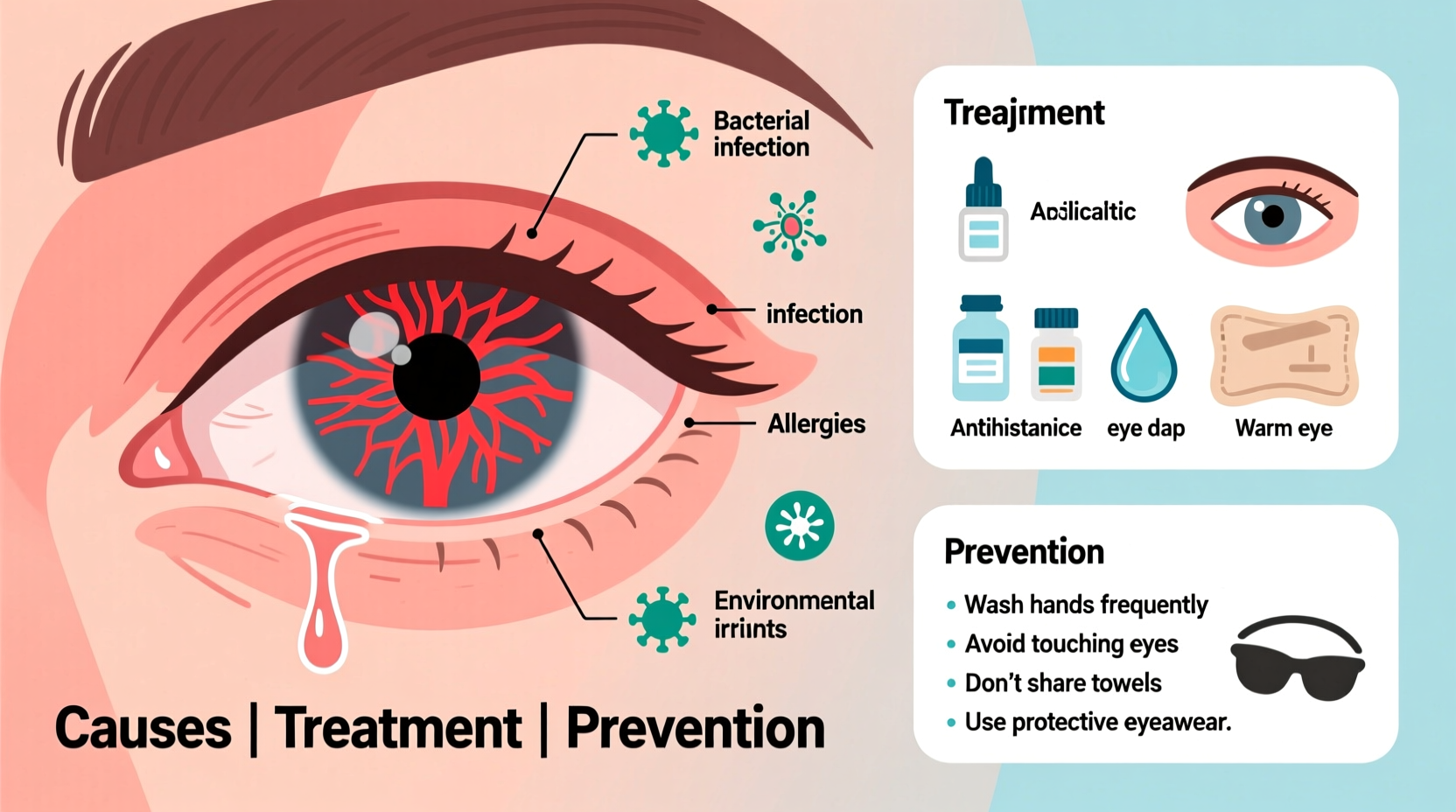
Not every red eye indicates a serious problem. Many causes are mild and temporary, such as fatigue or minor irritation. However, recognizing patterns helps determine whether home care is sufficient or if professional evaluation is needed.
- Conjunctivitis (Pink Eye): One of the most frequent causes, especially among children. It can be viral, bacterial, or allergic. Viral conjunctivitis often starts in one eye and spreads to the other, causing redness, watery discharge, and itching.
- Dry Eye Syndrome: Insufficient tear production or poor tear quality leads to irritation and redness. Common in dry climates, prolonged screen use, or with aging.
- Eye Strain: Extended focus on digital screens, reading, or driving can lead to tired, bloodshot eyes. This type of redness usually improves with rest.
- Foreign Body: A speck of dust, eyelash, or debris trapped under the eyelid can cause localized redness, tearing, and discomfort.
- Contact Lens Overuse: Wearing lenses longer than recommended or sleeping in them reduces oxygen flow, leading to irritation and visible vessel dilation.
Serious Conditions That Cause Red Eyes
While many cases are benign, some red eyes point to more serious conditions requiring immediate medical intervention. Ignoring symptoms like pain, vision changes, or light sensitivity can lead to permanent damage.
- Uveitis: Inflammation of the uvea (middle layer of the eye), often associated with autoimmune diseases. Symptoms include deep eye pain, blurred vision, and photophobia. Requires steroid treatment and specialist care.
- Acute Angle-Closure Glaucoma: A sudden increase in intraocular pressure. This emergency presents with severe eye pain, headache, nausea, halos around lights, and a very red, hard eye. Immediate treatment is crucial to prevent blindness.
- Corneal Ulcer: An open sore on the cornea, typically from infection (bacterial, viral, fungal) or trauma. Presents with intense pain, discharge, and sensitivity to light. Antibiotic or antifungal therapy is required.
- Scleritis: Inflammation of the sclera (white outer coat). Often linked to systemic autoimmune disorders like rheumatoid arthritis. Pain is typically severe and worsens with eye movement.
“Red eye with pain and vision loss is not something to wait out. These symptoms demand urgent evaluation.” — Dr. Lena Patel, Ophthalmologist at Boston Eye Institute
Treatment Options Based on Cause
Effective treatment depends entirely on identifying the underlying issue. Self-diagnosis can be risky, but understanding available options helps guide appropriate action.
| Cause | Symptoms | Treatment Approach |
|---|---|---|
| Viral Conjunctivitis | Watery discharge, itching, one eye then both | Supportive care (cold compresses, artificial tears); resolves in 7–14 days |
| Bacterial Conjunctivitis | Thick yellow/green discharge, crusting eyelids | Antibiotic eye drops (e.g., erythromycin) |
| Allergic Conjunctivitis | Itching, swelling, seasonal pattern | Antihistamine drops, avoid allergens |
| Dry Eye | Burning, grittiness, fluctuating vision | Artificial tears, omega-3 supplements, punctal plugs |
| Corneal Abrasion | Sudden pain after injury, foreign body sensation | Patch (in some cases), antibiotic ointment, healing in 24–72 hours |
Prevention Strategies for a Healthier Eye
Maintaining eye health involves daily habits and awareness. Preventing redness isn’t just about comfort — it reduces the risk of infections and chronic issues.
Tip: Use lubricating eye drops before long flights or extended screen sessions to prevent dryness-related redness.- Practice Good Hygiene: Wash hands frequently, especially before touching your eyes. Avoid sharing towels or makeup.
- Protect Your Eyes: Wear UV-blocking sunglasses outdoors and safety goggles during DIY projects or sports.
- Limit Screen Time: Follow the 20-20-20 rule — every 20 minutes, look at something 20 feet away for 20 seconds.
- Stay Hydrated: Dehydration contributes to dry eyes. Drink plenty of water throughout the day.
- Replace Contact Lenses as Directed: Never extend wear time beyond what’s prescribed. Clean lenses properly and replace storage cases monthly.
When to See a Doctor: A Step-by-Step Guide
Knowing when to seek help prevents complications. Use this timeline to assess your symptoms:
- Day 1 – Mild Redness Only: No pain, normal vision, no discharge. Try artificial tears and rest. Monitor closely.
- Day 2 – Persistent or Worsening Redness: If redness hasn’t improved or is spreading, discontinue contact lens use and avoid irritants.
- Day 3 – New Symptoms Appear: Pain, sensitivity to light, blurred vision, or excessive discharge? Schedule an appointment with an eye care provider immediately.
- Anytime – Severe Pain or Vision Loss: Seek emergency care. Do not wait. Conditions like acute glaucoma or corneal ulcers can cause irreversible damage within hours.
Real-Life Example: Recognizing a Medical Emergency
Mark, a 52-year-old teacher, woke up with a red, painful left eye and saw halos around lights. He assumed it was pink eye and used over-the-counter drops. By afternoon, his headache intensified and he felt nauseous. His wife urged him to visit an urgent care clinic, where he was diagnosed with acute angle-closure glaucoma. Immediate treatment lowered his eye pressure and saved his vision. Delaying care could have led to permanent blindness.
This case highlights why symptom interpretation matters. Redness alone may seem trivial, but combined with pain and visual disturbances, it becomes a red flag.
Frequently Asked Questions
Can allergies really make my whole eye red?
Yes. Allergic conjunctivitis commonly causes widespread redness, especially in both eyes. It’s often accompanied by itching, puffiness, and watery discharge. Unlike infections, it’s not contagious.
Is it safe to use redness-relief eye drops regularly?
No. Drops containing tetrahydrozoline or naphazoline constrict blood vessels temporarily but can cause rebound redness with prolonged use. Limit use to no more than 2–3 days unless directed by a doctor.
Can stress cause a red eye?
Stress doesn’t directly cause redness, but it can contribute indirectly. Stress leads to poor sleep, increased screen time, and weakened immunity — all of which may trigger or worsen eye irritation.
Final Thoughts and Call to Action
A red eye might seem like a minor inconvenience, but it’s your body’s way of signaling that something needs attention. Whether it’s a simple case of dryness or a sign of a deeper issue, responding wisely makes all the difference. Don’t normalize persistent redness. Prioritize eye hygiene, protect your vision daily, and never hesitate to consult a professional when in doubt.
🚀 Your eyes are irreplaceable. Take action today — schedule an eye exam, refresh your knowledge on contact lens care, or share this information with someone who’s been ignoring their red eye. Small steps now can preserve your sight for years to come.








