A red eye can be alarming, but it’s often not a sign of a serious condition. Whether it appears suddenly or develops over time, redness in the eye typically results from dilated or inflamed blood vessels on the surface of the sclera (the white part). While many cases resolve on their own, understanding the underlying cause is essential for proper care. From minor irritations to infections and chronic conditions, this guide explores the most common reasons behind a red eye, how to treat them effectively, and what you can do to prevent recurrence.
Common Causes of Red Eye
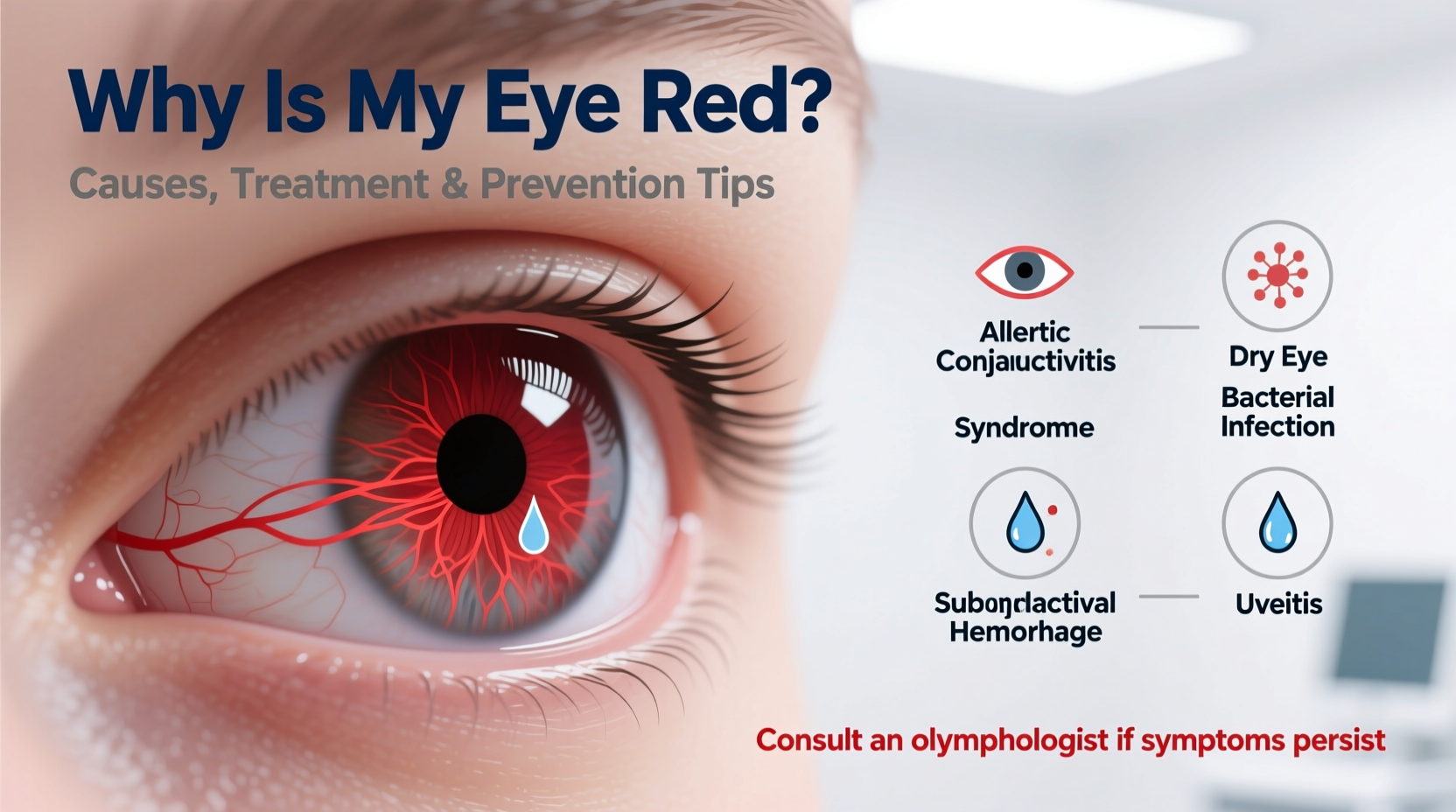
Redness in the eye can stem from a variety of sources, ranging from environmental factors to medical conditions. Identifying the root cause helps determine whether home care is sufficient or if medical attention is needed.
- Conjunctivitis (Pink Eye): One of the most frequent causes, conjunctivitis involves inflammation of the conjunctiva due to viral or bacterial infection, or allergens. It often presents with redness, discharge, and itching.
- Dry Eye Syndrome: Insufficient tear production or poor tear quality leads to dry, irritated eyes that may appear red, especially after prolonged screen use or in dry environments.
- Eye Strain: Extended focus on digital screens, reading, or driving can cause fatigue and redness in the eyes.
- Subconjunctival Hemorrhage: A burst blood vessel under the conjunctiva causes a bright red patch on the white of the eye. Though it looks severe, it’s usually painless and resolves within one to two weeks.
- Foreign Body or Irritation: Dust, smoke, chlorine, or a small particle in the eye can trigger redness and discomfort.
- Corneal Abrasion: A scratch on the cornea from contact lenses, fingernails, or debris causes sharp pain, tearing, and redness.
- Uveitis or Iritis: Inflammation inside the eye affecting the uvea, often associated with autoimmune disorders, infections, or trauma. This requires prompt medical evaluation.
- Glaucoma (Acute Angle-Closure): A rare but dangerous form of glaucoma that causes sudden redness, severe eye pain, blurred vision, and nausea. This is a medical emergency.
Treatment Options Based on Cause
Treatment depends entirely on the diagnosis. Self-treatment without knowing the cause can worsen certain conditions, especially infections or inflammatory diseases.
Viral or Bacterial Conjunctivitis
Viral cases usually resolve in 7–10 days without medication. Bacterial conjunctivitis may require antibiotic eye drops prescribed by a doctor. Warm compresses can help reduce crusting and discomfort.
Allergic Conjunctivitis
Antihistamine eye drops or oral medications can relieve symptoms. Avoiding allergens—such as pollen, pet dander, or dust—is key to long-term management.
Dry Eyes
Over-the-counter artificial tears can provide relief. For chronic dry eye, prescription drops like cyclosporine (Restasis) or lifitegrast (Xiidra) may be recommended. Using a humidifier and taking screen breaks also help.
Corneal Abrasions
Minor scratches heal within a few days, but an ophthalmologist may prescribe antibiotic ointment to prevent infection. Avoid rubbing the eye and wear sunglasses if light-sensitive.
Subconjunctival Hemorrhage
No treatment is typically needed. The red spot fades gradually like a bruise. Monitor for recurring episodes, which could indicate hypertension or clotting issues.
“Not all red eyes are infections. Misuse of steroid eye drops for undiagnosed redness can lead to glaucoma or cataracts.” — Dr. Lena Torres, Ophthalmologist
Prevention Tips to Keep Eyes Healthy
Maintaining good eye hygiene and minimizing exposure to irritants can significantly reduce the risk of red eye episodes.
Tip: Replace contact lens solutions and cases every month, even if they appear clean.Practical Daily Habits
- Wash hands frequently, especially before touching your eyes.
- Avoid sharing towels, pillows, or eye makeup.
- Take regular breaks during screen work using the 20-20-20 rule: every 20 minutes, look at something 20 feet away for 20 seconds.
- Use protective eyewear when swimming, gardening, or working with chemicals.
- Keep indoor air moist with a humidifier during winter months.
Do’s and Don’ts When Dealing with a Red Eye
| Action | Do | Don't |
|---|---|---|
| Cleaning | Use sterile saline or preservative-free artificial tears | Use tap water or saliva to rinse the eye |
| Contact Lenses | Remove lenses immediately and disinfect or replace | Wear lenses until symptoms clear |
| Medication | Follow doctor-prescribed treatment plans | Use leftover antibiotics or steroid drops |
| Hygiene | Wash pillowcases and towels in hot water | Share eye products or cosmetics |
| Pain Relief | Apply a cold compress for swelling | Rub or press on the affected eye |
Real-Life Example: Managing Allergy-Induced Red Eye
Sarah, a 32-year-old teacher, noticed her eyes becoming increasingly red and itchy every spring. At first, she assumed it was fatigue from grading papers. Over time, the redness worsened, and she began avoiding classroom pets and keeping windows closed. After visiting an optometrist, she was diagnosed with seasonal allergic conjunctivitis. With a combination of antihistamine drops, daily lid hygiene, and an air purifier in her bedroom, her symptoms improved within a week. By identifying the trigger and adjusting her environment, Sarah now manages her condition proactively each allergy season.
Step-by-Step Guide: What to Do When Your Eye Turns Red
- Assess Symptoms: Note whether there's pain, discharge, vision changes, or light sensitivity.
- Stop Wearing Contacts: Switch to glasses until the redness clears.
- Rinse Gently: Use sterile saline solution to flush out any potential irritants.
- Apply a Cold Compress: Use a clean cloth soaked in cool water for 5–10 minutes to reduce swelling.
- Avoid Rubbing: Rubbing can worsen irritation or cause a corneal scratch.
- Monitor for 24–48 Hours: If redness persists or worsens, consult a healthcare provider.
- Seek Emergency Care: If you experience sudden vision loss, severe pain, or nausea, go to an emergency clinic immediately.
Frequently Asked Questions
Can lack of sleep cause red eyes?
Yes. Poor sleep reduces oxygen flow to the eyes and can lead to dryness and dilation of blood vessels, resulting in redness. Getting adequate rest and using lubricating drops can help.
Is red eye contagious?
It depends on the cause. Viral and bacterial conjunctivitis are highly contagious through direct contact or contaminated surfaces. Allergic or irritant-related redness is not contagious.
How long does a red eye last?
Mild cases from irritation or strain may resolve in a day or two. Infectious or inflammatory conditions can last up to two weeks. Persistent redness beyond 7–10 days warrants medical evaluation.
Final Thoughts and Call to Action
Red eyes are common but shouldn’t be ignored—especially when accompanied by pain, vision changes, or persistent discomfort. Most causes are manageable with timely care and preventive habits. By understanding the triggers, treating appropriately, and protecting your eyes daily, you can maintain comfort and clarity. Don’t wait for symptoms to escalate. Start implementing these strategies today: keep your hands clean, give your eyes screen breaks, and never share personal eye items.
💬 Have you experienced recurring red eyes? Share your story or tips in the comments below—your insight could help someone find relief.








