Dogs are creatures of habit, and when their behavior shifts unexpectedly—like developing a sudden fear of the vacuum cleaner—it can be both puzzling and concerning for pet owners. One day your dog might tolerate the noise; the next, they’re hiding under the bed, trembling at the first hum. This abrupt change isn’t just quirky—it’s a signal. Dogs don’t act out of nowhere. Their fear usually stems from sensory sensitivity, past experiences, or changes in their environment or health. Understanding the root causes behind this sudden aversion allows you to respond with empathy and strategy, rather than frustration.
The vacuum cleaner, while mundane to humans, represents a complex threat to many dogs: loud noises, erratic movement, strange vibrations, and an unfamiliar scent. When these stimuli combine, they can overwhelm a dog’s nervous system, especially if they weren’t properly socialized to household appliances as puppies. But what makes the fear appear suddenly, even in dogs who previously seemed unbothered? The answer lies in a mix of biology, psychology, and timing.
Why Sudden Fear Emerges: Triggers Behind the Reaction
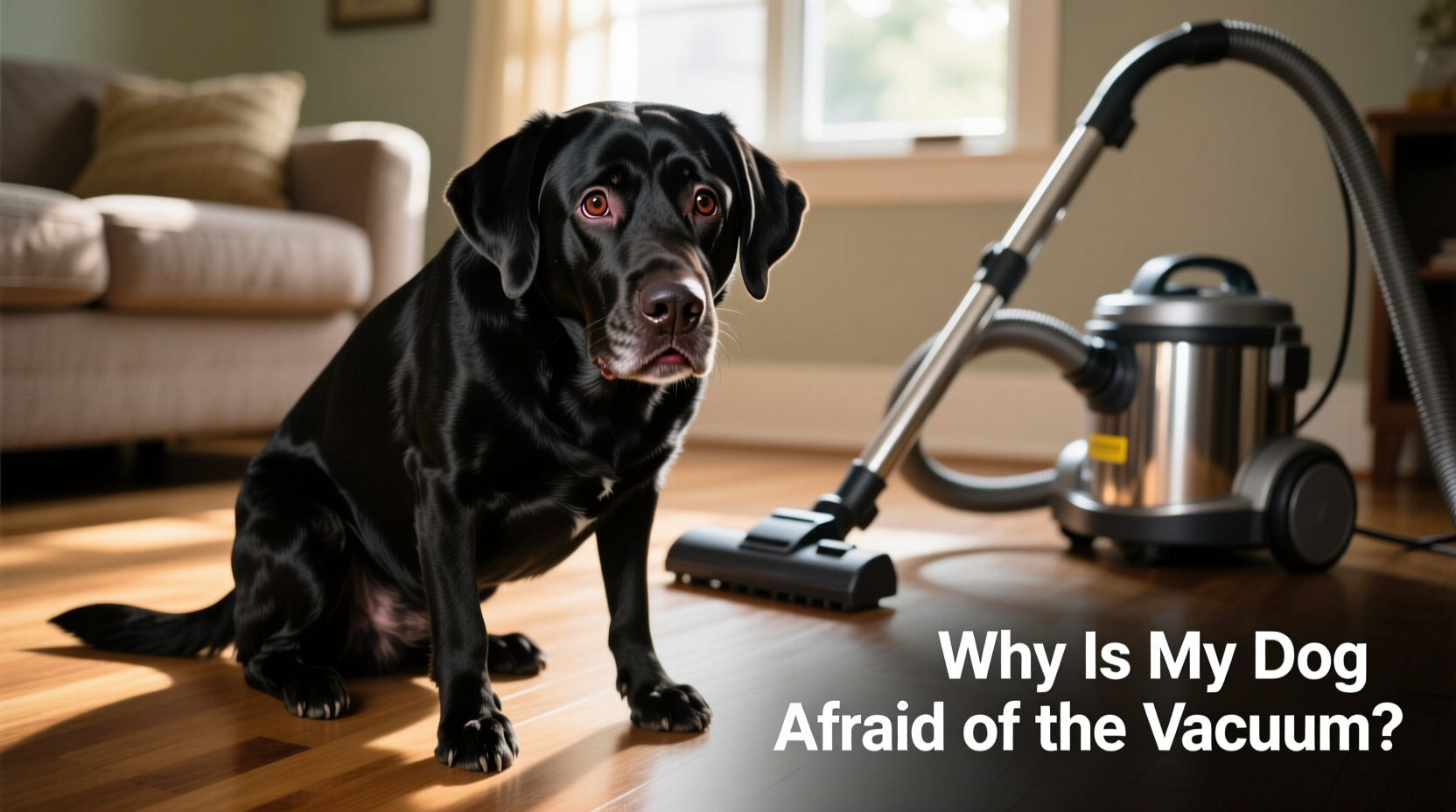
Dog behavior rarely changes without cause. A sudden fear of the vacuum often indicates one or more underlying factors have shifted. These include:
- Sensory sensitization: As dogs age, their hearing may become more acute or sensitive. A noise that once faded into the background could now feel jarring or painful.
- Negative association: A single bad experience—such as being startled by the vacuum turning on nearby—can create lasting fear through classical conditioning.
- Reduced confidence: Changes like moving homes, new family members, or illness can make dogs more anxious overall, lowering their threshold for stress.
- Lack of early exposure: Dogs not exposed to household machines during their critical socialization window (3–14 weeks) may react strongly when introduced later.
- Physical discomfort: Ear infections or neurological issues can heighten sound sensitivity, making routine noises unbearable.
Veterinary behaviorist Dr. Karen Overall emphasizes that “fear in dogs is not disobedience—it’s communication.” When your dog bolts at the sight of the vacuum, they’re expressing distress, not defiance. Recognizing this distinction is the first step toward meaningful intervention.
Tip: Never force your dog to confront the vacuum. Coercion increases fear and damages trust. Instead, use gradual, reward-based desensitization.Decoding Canine Body Language: Signs Your Dog Is Afraid
Fear manifests in subtle and overt ways. Some dogs vocalize their anxiety with barking or whining; others freeze or flee. Knowing how to read your dog’s signals ensures you don’t miss early warnings. Common signs of vacuum-related fear include:
- Tail tucked between legs
- Ears pinned back
- Avoidance behaviors (hiding, running away)
- Panting or yawning when no heat or fatigue is present
- Whale eye (visible whites of the eyes)
- Shaking or trembling
- Excessive licking of lips or nose
- Cowering or flattening the body
These behaviors indicate that your dog feels threatened. Ignoring them or telling yourself “they’ll get over it” risks worsening the fear. Over time, untreated noise phobias can generalize—your dog may begin reacting to other loud sounds, like thunder or doorbells, due to increased anxiety baseline.
“Fear conditioning can occur after just one traumatic event. The key is early intervention before the response becomes entrenched.” — Dr. Sophia Yin, Applied Animal Behaviorist
Step-by-Step Guide: Helping Your Dog Overcome Vacuum Fear
Reversing a fear response takes patience and consistency, but it’s entirely possible. Below is a structured timeline using principles of counter-conditioning and desensitization—methods backed by veterinary behavior research.
- Phase 1: Remove the Trigger (Days 1–3)
Stop using the vacuum around your dog. Store it out of sight. Allow your dog to relax without ongoing exposure to the stressor. - Phase 2: Create Positive Associations (Days 4–7)
Bring the vacuum into a room while turned off. Pair its presence with high-value treats, play, or affection. Do this multiple times daily, ensuring your dog remains calm. If they show any fear, increase distance and reduce intensity. - Phase 3: Introduce Sound Gradually (Weeks 2–3)
Turn on the vacuum in another room, far from your dog. Start with short bursts (2 seconds), then immediately offer treats. Gradually decrease distance over days, always watching for stress cues. Never progress faster than your dog’s comfort level allows. - Phase 4: Controlled Exposure (Weeks 4–5)
Run the vacuum briefly in the same room while keeping your dog at a safe distance. Reward calm behavior continuously. Use a leash if needed to prevent bolting. - Phase 5: Normal Integration (Ongoing)
Once your dog remains relaxed during operation, resume regular use—but continue pairing it with positive reinforcement for several weeks to solidify the new association.
This process can take weeks or even months depending on the severity of fear. Rushing leads to setbacks. Progress is measured by relaxation, not speed.
Common Mistakes That Worsen the Problem
Well-meaning owners often unintentionally reinforce fear through common missteps. Avoid these pitfalls:
| Mistake | Why It’s Harmful | Better Alternative |
|---|---|---|
| Punishing fearful behavior | Increases anxiety and suppresses communication | Stay calm, redirect with treats, remove trigger |
| Forcing proximity to the vacuum | Creates trauma and erodes trust | Use gradual desensitization at the dog’s pace |
| Ignoring signs of stress | Allows fear to escalate and generalize | Respond early with management and training |
| Using the vacuum during high-stress periods | Overwhelms an already anxious dog | Wait until baseline anxiety improves |
Remember: comforting your dog when they’re afraid doesn’t “reward” fear. It provides emotional security. You cannot reinforce a physiological stress response with attention—what you can do is teach a new emotional response through consistent, positive experiences.
Real-Life Example: How Max Learned to Tolerate the Vacuum
Max, a 3-year-old rescue terrier mix, had lived quietly with his owner Sarah for two years. He’d never shown fear of household noises—until one winter morning, the vacuum was pulled out after seasonal storage. At the first roar, Max bolted under the couch, refusing to come out for hours.
Sarah assumed he’d “snap out of it,” but the fear persisted. She tried coaxing him with treats near the silent vacuum, but he wouldn’t approach. Concerned, she consulted a certified dog trainer. After ruling out medical issues, they began a desensitization plan.
They started by placing the vacuum in the hallway with the door open, feeding Max meals nearby. After five days, he ate calmly within 10 feet of it. Next, they recorded the vacuum sound and played it at low volume during playtime. Over three weeks, they gradually increased volume and proximity. By week six, Max watched the vacuum run from across the room while eating chicken bits. Today, he still prefers to leave the room, but he no longer panics—just walks away calmly.
Max’s case illustrates that recovery isn’t about eliminating avoidance entirely, but reducing panic to manageable levels. Progress, not perfection, is the goal.
Tip: Record the sound of your vacuum and use it in training sessions. This gives you full control over volume and duration.When to Seek Professional Help
While many cases improve with home-based training, some dogs need expert support. Consider consulting a veterinary behaviorist or certified fear-free trainer if:
- Your dog self-injures during episodes (e.g., scratching doors, biting themselves)
- Fear generalizes to other noises or situations
- Progress stalls despite consistent effort
- Your dog shows signs of chronic anxiety (pacing, excessive panting, loss of appetite)
In severe cases, veterinarians may recommend short-term anti-anxiety medication alongside behavioral therapy. Medication doesn’t “fix” fear but can lower arousal enough for learning to occur. As Dr. Nicholas Dodman, former professor at Tufts University, explains: “Medication is a tool, not a crutch. It helps the brain become teachable.”
Prevention: Building Noise Resilience Early
Preventing fear is easier than reversing it. Puppies exposed to a variety of sounds, surfaces, and objects during their socialization period are far less likely to develop phobias. A proactive checklist for building noise resilience:
- Introduce household appliances gradually during puppyhood
- Pair novel sounds with treats, toys, or play
- Use recordings of common noises (vacuum, blender, hair dryer) at low volume
- Avoid overwhelming your puppy—keep sessions short and positive
- Repeat exposures multiple times over several weeks
Even adult dogs benefit from ongoing enrichment. Regular exposure to controlled stimuli keeps their nervous system adaptable.
FAQ: Common Questions About Dogs and Vacuum Fear
Can older dogs develop new fears?
Yes. Aging dogs may experience cognitive decline (similar to dementia), hearing changes, or pain that lowers their tolerance for stimulation. Sudden fear in senior dogs warrants a vet check to rule out medical causes.
Should I let my dog hide when scared?
Yes. Hiding is a coping mechanism. Forcing them out increases stress. Instead, allow access to safe spaces and work on reducing the trigger’s intensity. Over time, with training, they’ll rely less on escape.
Will getting a quieter vacuum help?
Possibly. Some models are significantly softer. However, even quiet vacuums produce high-frequency sounds that dogs hear more intensely than humans. Use reduced noise as a supplement—not a replacement—for behavioral training.
Conclusion: Compassionate Change Takes Time
A dog’s sudden fear of the vacuum cleaner isn’t irrational—it’s a window into their emotional world. By approaching the issue with patience, science, and empathy, you can transform a source of stress into a neutral or even positive experience. There’s no shortcut, but every small step forward builds confidence. Celebrate quiet moments, respect boundaries, and stay consistent.
Your dog isn’t giving you a hard time—they’re having a hard time. With your guidance, they can regain a sense of safety in their home. Start today: put the vacuum away, observe your dog’s cues, and begin rebuilding trust one treat at a time.
💬 Have a story about your dog overcoming a fear? Share your experience in the comments—your journey could inspire another pet owner facing the same challenge.








