Dogs may shake or tremble for a wide range of reasons — some harmless, others serious. As a pet owner, seeing your dog shiver unexpectedly can be alarming. While occasional shaking due to cold or excitement is normal, persistent or unexplained tremors may signal an underlying health issue. Understanding the potential causes, recognizing warning signs, and knowing when to seek veterinary care are essential steps in protecting your dog’s well-being.
Common Causes of Shaking in Dogs
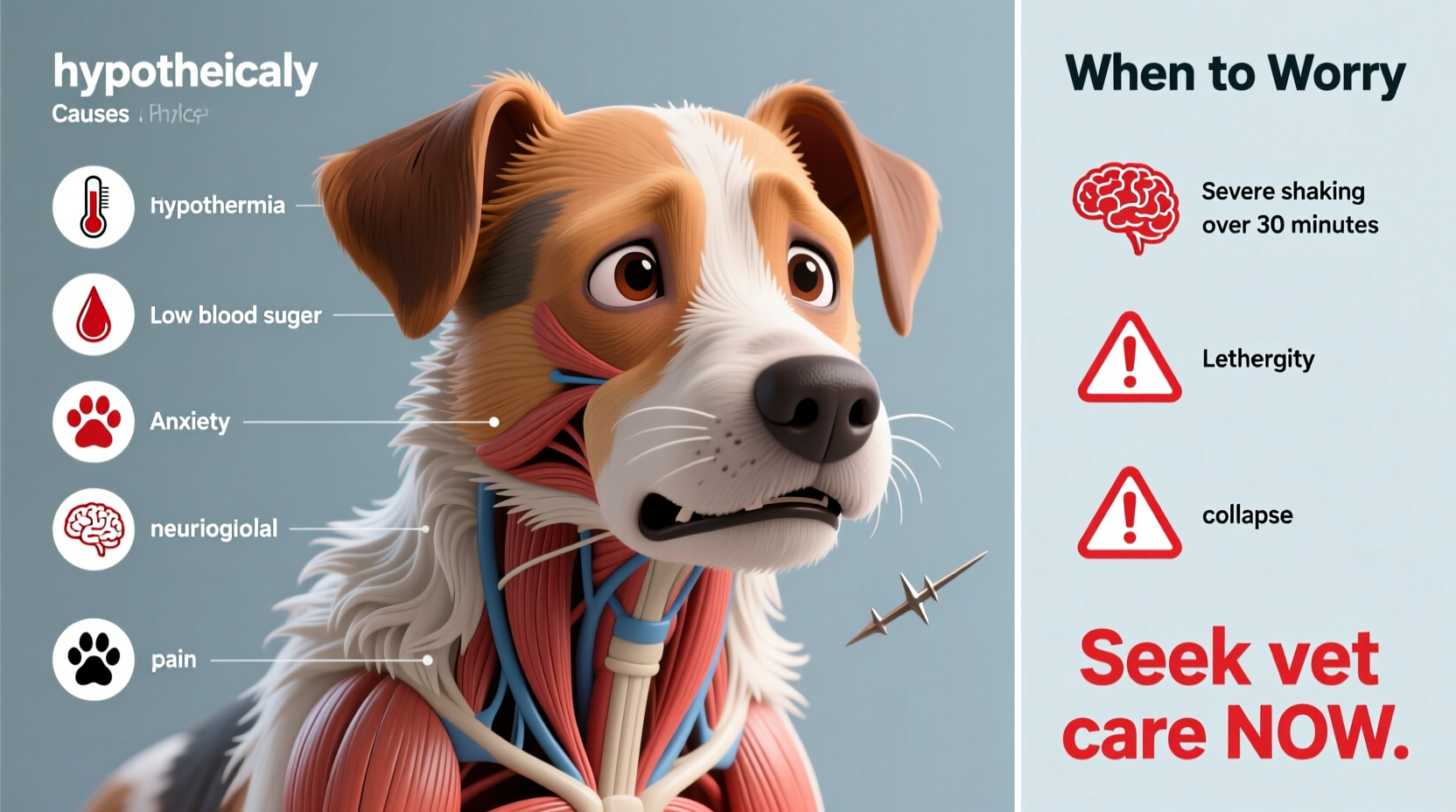
Shaking in dogs isn't always a sign of illness. In many cases, it’s a natural physiological response. However, the context matters. The following are frequent non-emergency reasons why your dog might be trembling:
- Cold exposure: Small breeds or dogs with thin coats often shiver in low temperatures.
- Excitement or anticipation: Many dogs tremble when they see their leash or food bowl.
- Fear or anxiety: Thunderstorms, fireworks, or unfamiliar environments can trigger stress-induced shaking.
- Age-related muscle weakness: Older dogs may experience tremors due to weakened muscles or neurological changes.
These causes are typically temporary and resolve once the stimulus is removed. However, if shaking persists or worsens, deeper investigation is necessary.
Tip: Observe your dog’s behavior closely—note whether shaking occurs during rest, after activity, or in specific situations. This information helps your vet make an accurate diagnosis.When Shaking Signals a Serious Problem
Not all tremors are benign. Certain symptoms accompanying shaking should prompt immediate concern. These red flags include:
- Lethargy or weakness
- Vomiting or diarrhea
- Loss of appetite
- Difficulty walking or loss of coordination
- Seizure-like activity
- Pale gums or rapid breathing
If your dog is shaking and showing any of these signs, it could indicate conditions such as poisoning, hypoglycemia, neurological disorders, or internal injury. Immediate veterinary evaluation is crucial.
“Persistent or unexplained tremors in dogs warrant a prompt vet visit. Early diagnosis can prevent complications and improve outcomes significantly.” — Dr. Lena Reyes, DVM, Veterinary Neurologist
Medical Conditions Linked to Canine Tremors
Beyond environmental or emotional triggers, several medical issues can cause dogs to shake. Recognizing these conditions helps you respond appropriately.
Poisoning or Toxin Exposure
Ingestion of chocolate, xylitol (found in sugar-free gum), certain plants, or household chemicals can lead to tremors, seizures, and organ failure. Dogs may also absorb toxins through their skin or paws.
Hypoglycemia (Low Blood Sugar)
Common in small breeds like Chihuahuas or toy poodles, especially puppies or diabetic dogs. Symptoms include shaking, disorientation, weakness, and collapse. Offering a small amount of honey or corn syrup orally can help temporarily while en route to the vet.
Neurological Disorders
Conditions like epilepsy, granulomatous meningoencephalitis (GME), or degenerative myelopathy can manifest as muscle tremors. These require advanced diagnostics such as MRI or spinal fluid analysis.
Pain or Injury
A dog in pain — from arthritis, a sprain, or internal trauma — may tremble even without visible wounds. Vocalization, reluctance to move, or guarding a body part are additional clues.
Infections and Fever
Bacterial or viral infections, including parvovirus or tick-borne diseases like Lyme, can cause fever and shaking. A rectal temperature above 103°F (39.4°C) indicates a possible infection.
White Dog Shaker Syndrome
This condition primarily affects small, white breeds like Maltese or West Highland White Terriers. It causes full-body tremors that may worsen with excitement but typically respond well to corticosteroid treatment.
| Condition | Symptoms Beyond Shaking | Urgency Level |
|---|---|---|
| Cold exposure | Seeking warmth, curled posture | Low |
| Anxiety | Tail tucking, panting, hiding | Low-Moderate |
| Poisoning | Vomiting, drooling, seizures | Emergency |
| Hypoglycemia | Weakness, confusion, collapse | High |
| Neurological disease | Head tilt, circling, imbalance | High |
Step-by-Step: What to Do When Your Dog Is Shaking
If you notice your dog trembling, follow this practical sequence to assess the situation and determine your next steps:
- Stay calm. Your dog can sense your anxiety, which may worsen their distress.
- Check the environment. Is it cold? Are there loud noises? Remove obvious stressors if possible.
- Observe accompanying symptoms. Note vomiting, limping, changes in gum color, or unusual behavior.
- Take your dog’s temperature. Normal range is 100.5–102.5°F (38–39.2°C). High or low readings are concerning.
- Check for recent toxin exposure. Think about new foods, plants, or cleaning products used at home.
- Contact your veterinarian. Describe the shaking, duration, and associated symptoms clearly.
- Follow professional advice. If instructed, administer first aid (like honey for suspected hypoglycemia) and transport safely.
Mini Case Study: Bella the Beagle
Bella, a 3-year-old beagle, began shaking violently one evening after returning from a walk. Her owner initially thought she was cold, but Bella also appeared disoriented and vomited twice. The owner recalled Bella sniffing around a neighbor’s garden where slug bait had recently been applied. Suspecting poisoning, they called the vet immediately. At the clinic, blood tests confirmed metaldehyde toxicity. With prompt IV fluids, anti-seizure medication, and supportive care, Bella recovered within 48 hours. This case underscores the importance of considering environmental hazards and acting quickly.
Treatment Options Based on Diagnosis
Treatment depends entirely on the underlying cause. There is no one-size-fits-all solution for canine tremors. Below are common interventions based on diagnosis:
- For anxiety: Behavior modification, calming aids (thundershirts, pheromone diffusers), or prescribed anti-anxiety medications.
- For poisoning: Induced vomiting (if recent), activated charcoal, IV fluids, and targeted antidotes if available.
- For hypoglycemia: Immediate glucose administration, followed by dietary adjustments or treatment of underlying illness.
- For infections: Antibiotics, antivirals, or anti-inflammatory drugs depending on the pathogen.
- For neurological conditions: Long-term management with medications like phenobarbital or prednisone under veterinary supervision.
In chronic cases, regular monitoring and lifestyle adjustments—such as avoiding triggers, maintaining a consistent routine, and scheduling follow-up exams—are critical for long-term control.
Tip: Keep a symptom journal. Record when shaking occurs, its duration, intensity, and any related factors. This log becomes invaluable during vet consultations.FAQ
Can vaccines cause my dog to shake?
Yes, mild shaking or lethargy can occur within 24–48 hours after vaccination as part of a normal immune response. However, severe shaking, swelling, or difficulty breathing requires immediate attention as signs of an allergic reaction.
Is shaking during sleep normal?
Occasional twitching or shaking during REM sleep is typical and likely related to dreaming. These movements are usually brief and don’t wake the dog. Persistent or violent shaking during rest, however, should be evaluated.
Should I give my dog medication at home?
No over-the-counter human medications should be given without veterinary guidance. Drugs like ibuprofen or acetaminophen are toxic to dogs. Always consult your vet before administering any treatment.
Final Thoughts and Call to Action
Your dog’s shaking may be nothing serious—or it could be the first sign of a medical emergency. The key lies in careful observation, timely action, and trusting your instincts as a caregiver. Never dismiss persistent tremors, especially when paired with other symptoms. By staying informed and proactive, you empower yourself to make decisions that protect your dog’s health and comfort.
💬 Has your dog ever experienced unexplained shaking? Share your story or questions below. Your experience could help another pet owner recognize warning signs early.








