If you’ve noticed your dog rhythmically pushing its paws into a blanket, toy, or even your lap with a soft kneading motion, you’re witnessing a behavior known as \"nooking.\" While not widely discussed outside of canine behavior circles, nooking is surprisingly common—especially in puppies and comfort-seeking adults. It’s often mistaken for obsessive behavior or anxiety, but in most cases, it’s a deeply rooted, natural action tied to early development, emotional regulation, and bonding.
Understanding why your dog nooks isn’t just about curiosity—it can help you assess their emotional state, strengthen your relationship, and ensure they feel safe and secure in their environment. This article explores the science behind nooking, when it becomes a concern, and how to support your dog through this instinctive act.
What Is Nooking?
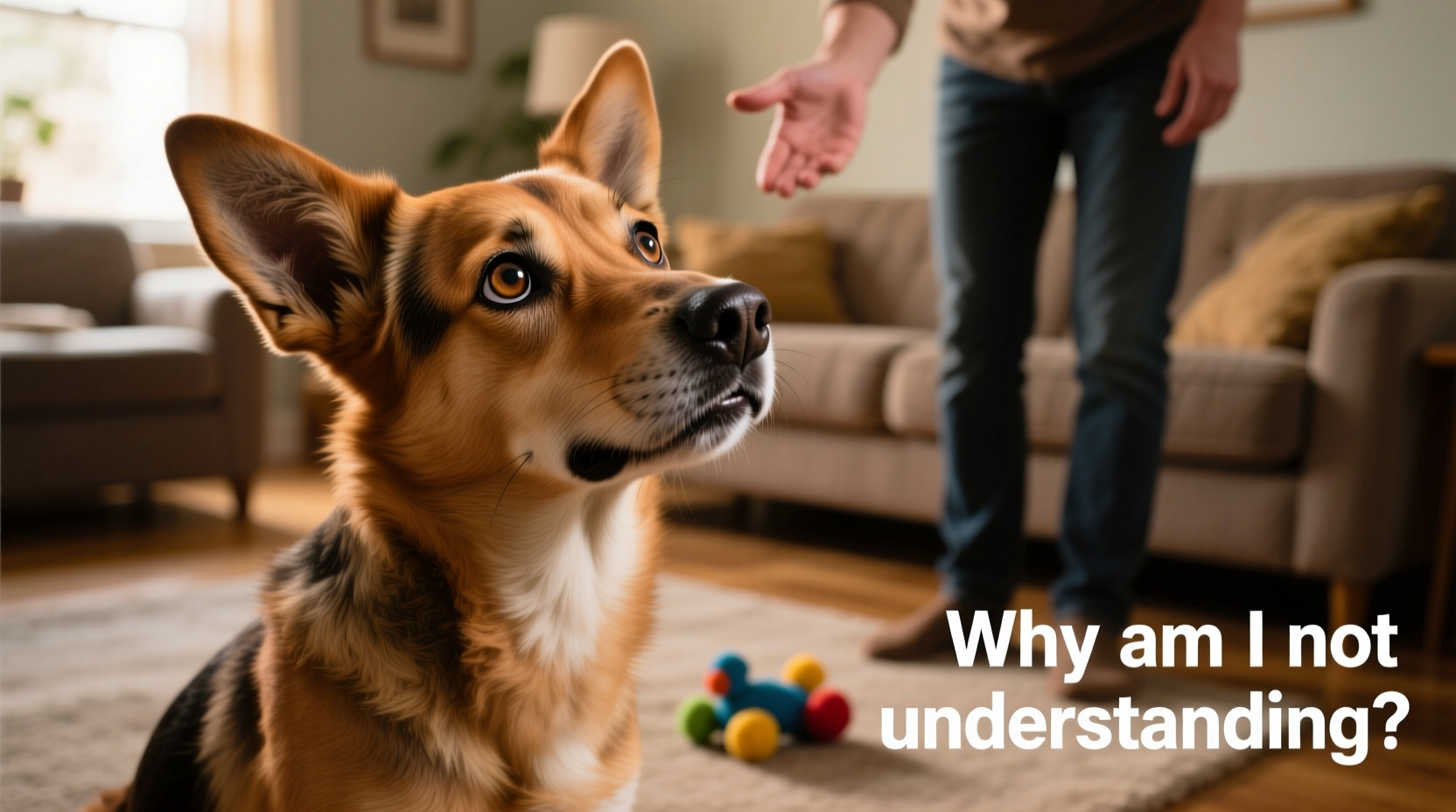
Nooking refers to the repetitive paw-kneading motion dogs make, often accompanied by gentle nibbling or sucking on soft materials. The term itself is relatively new in pet owner vernacular but has gained traction among trainers and veterinarians to describe this specific behavior. Unlike digging or scratching, which may serve territorial or temperature-regulating purposes, nooking is primarily emotional and tactile in nature.
The motion mimics the action puppies use when nursing: pressing their front paws against their mother’s belly to stimulate milk flow. This ingrained muscle memory can persist into adulthood, resurfacing during moments of relaxation, stress relief, or attachment.
Tip: Observe when your dog nooks—before sleep, during cuddles, or after excitement—to better understand the emotional trigger.The Emotional Roots of Nooking
Dogs are creatures of comfort, and nooking is fundamentally a self-soothing mechanism. Just as humans might twirl their hair or rock gently when anxious or content, dogs revert to familiar motions from infancy to regulate their emotions.
Key emotional drivers include:
- Comfort and security: Nooking often occurs when a dog settles down, indicating they feel safe enough to express vulnerable behaviors.
- Stress reduction: In unfamiliar environments or after loud noises (thunderstorms, fireworks), dogs may nook to calm themselves.
- Bonding behavior: When directed toward owners or favorite items, nooking can be a sign of deep attachment—similar to a child hugging a stuffed animal.
“Nooking is a window into a dog’s inner world. It’s not just habit—it’s communication through movement.” — Dr. Lena Torres, Veterinary Ethologist
When Nooking Becomes a Concern
While typically harmless, nooking can sometimes escalate into compulsive behavior. Signs that it may require intervention include:
- Excessive duration (more than 15–20 minutes at a time)
- Lack of response to redirection
- Skin irritation or fur loss from repeated contact
- Occurrence during high-stress situations without resolution
In rare cases, persistent nooking may be linked to anxiety disorders, neurological issues, or medical discomfort such as gastrointestinal upset. If your dog seems distressed, disoriented, or unable to settle afterward, consult your veterinarian.
Do’s and Don’ts of Responding to Nooking
| Do | Avoid |
|---|---|
| Allow the behavior if it’s calm and self-limiting | Punishing or startling your dog mid-nook |
| Provide soft, designated items like blankets or toys | Withholding comfort objects unnecessarily |
| Monitor frequency and context for changes | Encouraging excessive dependency on nooking for sleep |
| Use calming aids (white noise, pheromone diffusers) if stress-related | Ignoring signs of obsession or distress |
Supporting Healthy Nooking Behavior
Instead of suppressing nooking, focus on creating an environment where it serves its purpose without becoming problematic. The goal is balance—allowing emotional expression while promoting alternative coping strategies.
Step-by-Step Guide: Managing Nooking in Daily Life
- Identify triggers: Keep a short log for a week noting when and where nooking happens—after walks, before bed, during storms.
- Designate a “nooking zone”: Assign a specific blanket or plush toy exclusively for this behavior to contain wear and reinforce routine.
- Introduce calming alternatives: Offer chew toys, puzzle feeders, or gentle massage to redirect energy if nooking becomes frequent.
- Routine enrichment: Ensure your dog gets adequate physical exercise and mental stimulation to reduce reliance on repetitive behaviors.
- Gradual desensitization: If triggered by anxiety (e.g., separation), work with a trainer to build confidence using positive reinforcement.
Mini Case Study: Luna, the Rescue Puppy
Luna, a 6-month-old mixed breed rescued from a rural shelter, began nooking intensely on her owner’s sweater within days of adoption. She would press her paws rhythmically, sometimes falling asleep mid-motion. Initially concerning, the behavior was most frequent at bedtime and during thunderstorms.
Her owner, working with a certified dog behaviorist, introduced a soft “nooking pillow” infused with lavender-scented calming spray. Over three weeks, they gradually shifted Luna’s focus to the pillow using treats and praise. They also established a consistent evening routine including light play and quiet time. Within a month, Luna still nooked—but now exclusively on her pillow, for shorter durations, and only during wind-down periods.
The case illustrates how nooking, even in trauma-affected dogs, can be managed with empathy and structure rather than suppression.
FAQ
Is nooking the same as kneading?
Yes, the terms are often used interchangeably. “Kneading” is more commonly associated with cats, but dogs exhibit a similar motion. “Nooking” specifically emphasizes the emotional and developmental roots unique to canines.
Can adult dogs start nooking later in life?
Yes. While most prevalent in puppies, adult dogs may begin nooking after major life changes—adoption, rehoming, loss of a companion, or illness—as a way to regain emotional equilibrium.
Should I discourage my dog from nooking on me?
Occasional nooking on your lap or arm is generally fine if both you and your dog are comfortable. However, if it causes discomfort or becomes obsessive, gently redirect them to a soft toy or blanket using positive reinforcement.
Conclusion
Nooking is more than a quirky habit—it’s a meaningful expression of your dog’s emotional landscape. Rooted in early survival instincts, it persists as a tool for comfort, connection, and self-regulation. By recognizing its purpose and responding with patience, you honor your dog’s need for safety and affection.
Instead of viewing nooking as odd or inconvenient, see it as a silent language—one that reveals trust, vulnerability, and love. With thoughtful management, you can support this behavior while ensuring your dog develops a broad range of healthy coping mechanisms.
💬 Has your dog ever nooked? Share your story or questions in the comments—let’s build a deeper understanding of this touching canine trait together.








