
Cats are creatures of habit. When a once-confident feline begins avoiding the litter box—dashing away at the sight of it or eliminating elsewhere—it’s more than an inconvenience. It’s a signal. A sudden fear of the litter box can stem from medical issues, environmental stressors, or subtle changes in routine that humans easily overlook. Understanding the root cause is essential not only for restoring proper bathroom behavior but also for ensuring your cat's physical and emotional well-being.
This article explores the most common reasons behind this sudden change, backed by veterinary insights and behavioral expertise. More importantly, it provides actionable steps to diagnose, address, and resolve the issue—so both you and your cat can return to peace at home.
Medical Issues: The First Place to Investigate
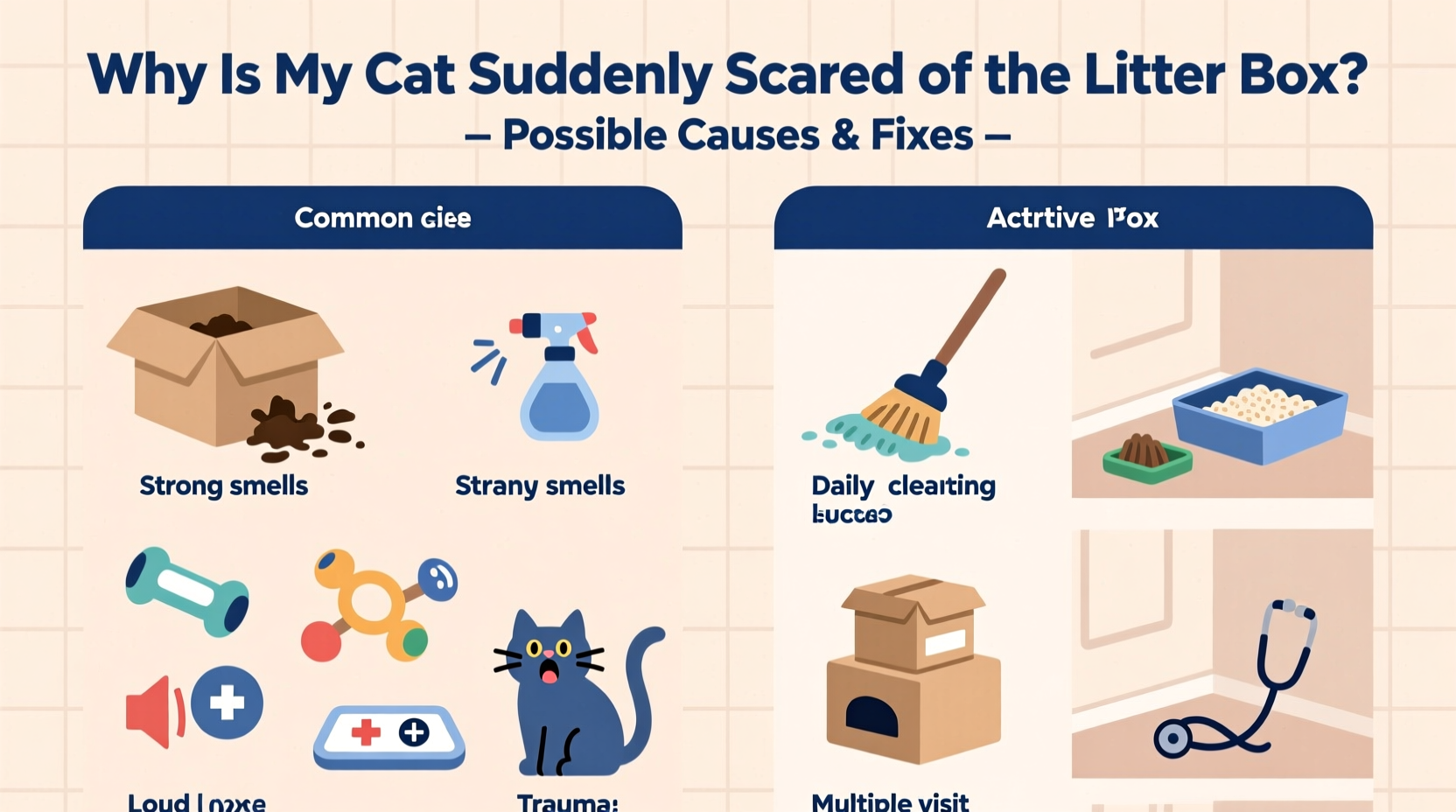
Before assuming behavioral causes, rule out health problems. Painful urination or defecation can create a strong negative association with the litter box. If using the box hurts, your cat will avoid it—even if they don’t connect the pain directly to the location, their instincts will steer them toward safer spots.
Common medical conditions include:
- Urinary tract infections (UTIs): Especially prevalent in male cats, UTIs cause burning during urination, leading cats to flee the box mid-use.
- Bladder stones or crystals: These can block urine flow and make elimination excruciating.
- Arthritis: Older cats may struggle to climb into high-sided boxes. Each attempt could be painful, making them hesitant.
- Gastrointestinal discomfort: Constipation or diarrhea can make defecation unpleasant, prompting avoidance.
“Any sudden litter box aversion should prompt a veterinary visit. What looks like misbehavior is often a cry for medical help.” — Dr. Lena Reyes, DVM, Feline Behavior ConsultantTip: Watch for signs like straining, vocalizing in the box, blood in urine, or excessive licking of the genital area—all red flags requiring immediate vet attention.
Environmental and Litter Box Factors
Sometimes, the issue isn’t the cat—it’s the box. Cats are highly sensitive to scent, texture, noise, and placement. Even small changes can trigger fear or discomfort.
Litter Type and Scent
Have you recently switched brands or scents? Many commercial litters contain perfumes or deodorizers that cats find overwhelming. Strong odors can irritate their nasal passages or simply feel unnatural. Unscented, clumping clay or natural alternatives like paper or wood pellets are often better tolerated.
Box Cleanliness
Cats have an exceptional sense of smell—up to 14 times stronger than humans. A box that smells “clean” to you may still reek of ammonia to your cat. Scoop daily and fully change litter weekly. Wash the box monthly with mild soap and water; avoid harsh chemicals like bleach, which leave lingering fumes.
Noise and Location
A litter box near a washing machine, furnace, or loud appliance can startle a cat mid-use. Similarly, placing it in a high-traffic area (like a busy hallway) makes cats feel exposed and vulnerable. Opt for quiet, low-traffic corners where your cat can enter and exit without confrontation.
| Factor | Problem | Solution |
|---|---|---|
| Litter Scent | Overpowering fragrances stress cats | Switch to unscented, natural litter |
| Box Placement | Near loud appliances or foot traffic | Relocate to a quiet, private area |
| Covered Box | Poor ventilation, trapped odors | Use uncovered or ventilated models |
| Size | Too small or high-sided | Upgrade to larger, low-entry box |
| Cleaning Frequency | Infrequent scooping | Scoop daily, full change weekly |
Stress and Behavioral Triggers
Cats don’t express anxiety like humans. Instead, they retreat, hide, or alter routines—including bathroom habits. A new pet, visitor, construction noise, or even rearranged furniture can unsettle them enough to abandon the litter box.
Multi-cat households add complexity. Dominant cats may guard the box, intimidating others. In such cases, the fearful cat doesn’t hate the box—they fear the journey to it.
Real-Life Example: Bella the Anxious Tabby
Bella, a 3-year-old domestic shorthair, began urinating behind the couch after her owners adopted a second cat. No medical issues were found. Observation revealed that the new kitten waited by the litter box and swatted Bella when she tried to use it. The solution wasn’t punishment or litter changes—it was adding a second box on a different floor. Within days, Bella resumed normal use.
Tip: In multi-cat homes, follow the “n+1” rule: provide one more litter box than the number of cats.Step-by-Step Guide to Restoring Litter Box Confidence
If your cat fears the litter box, follow this methodical approach to identify and fix the cause:
- Schedule a veterinary exam. Rule out UTIs, kidney disease, arthritis, or other medical concerns.
- Assess the box environment. Is it clean? Quiet? Easily accessible? Free of strong scents?
- Introduce a second box. Place it in a new location with different litter (unscented, fine-grained). Observe which one your cat prefers.
- Reduce household stress. Use pheromone diffusers (like Feliway), maintain routines, and provide safe hiding spaces.
- Gradually reintroduce the original box. If switching locations, move the box a few inches per day toward the desired spot.
- Never punish accidents. Yelling or rubbing a cat’s nose in urine increases fear and damages trust.
- Monitor progress over 2–3 weeks. Most cats respond within this window if the trigger is addressed.
“Punishment never fixes litter box issues. It only teaches the cat to hide its behavior—which delays diagnosis and worsens stress.” — Dr. Alan Tran, Veterinary Behaviorist
Checklist: Troubleshooting Your Cat’s Litter Box Fear
Use this checklist to systematically evaluate potential causes:
- ✅ Has your cat had a recent veterinary check-up?
- ✅ Is the litter box scooped at least once daily?
- ✅ Have you changed litter brand, texture, or scent recently?
- ✅ Is the box located in a noisy or high-traffic area?
- ✅ Is the box too small or difficult to enter (especially for seniors)?
- ✅ Are there conflicts with other pets near the box?
- ✅ Have there been recent changes in the household (new person, move, renovation)?
- ✅ Does your cat show signs of pain while eliminating?
- ✅ Are you using harsh cleaners on the box or surrounding floor?
- ✅ Do you have enough boxes for the number of cats?
Frequently Asked Questions
Why would a cat suddenly stop using the litter box if nothing’s changed?
Even if you haven’t noticed changes, your cat might have. Subtle shifts—like a new air freshener, distant construction noise, or a change in your schedule—can affect them. Additionally, internal medical issues can develop rapidly. Always consider both environmental and health factors.
Can a traumatic event cause lasting fear of the litter box?
Yes. A loud noise (e.g., a vacuum turning on nearby), a fall while entering the box, or being startled by another pet can create a lasting negative association. Gradual reconditioning—using positive reinforcement and temporary relocation—can help rebuild confidence.
Should I confine my cat to a room with the litter box?
In severe cases, short-term confinement to a quiet room with food, water, toys, and a clean box can help re-establish good habits. Ensure the space is comfortable and never used as punishment. Monitor closely and reintroduce to the home gradually.
Conclusion: Patience, Observation, and Action
A cat afraid of the litter box isn’t being defiant—they’re communicating distress. Whether the cause is pain, fear, or environmental discomfort, your response shapes the outcome. Rushing to judgment or resorting to frustration only deepens the problem.
Start with compassion. Visit the vet. Audit the box setup. Reduce stress. Give time. Most litter box issues are solvable when addressed early and holistically. By listening to your cat’s behavior as a language, you strengthen your bond and ensure a healthier, happier life together.
💬 Has your cat overcome a litter box fear? Share your story in the comments—your experience could help another worried pet owner find relief.








