
Cats are creatures of habit. A sudden shift in behavior—especially around something as essential as the litter box—can signal underlying physical, environmental, or emotional distress. If your cat has started avoiding the litter box, backing away from it, or showing signs of fear when near it, you're not imagining things. This change isn't just inconvenient; it's a cry for help. Understanding the root causes behind this fear can lead to faster resolution and a healthier, happier cat.
Litter box avoidance is one of the most common behavioral issues reported by cat owners. But rather than reacting with frustration, it’s crucial to approach the situation with empathy and investigation. Fear-based reactions don’t appear out of nowhere. They stem from triggers that may be obvious—or hidden in plain sight.
Recognizing the Signs of Litter Box Fear
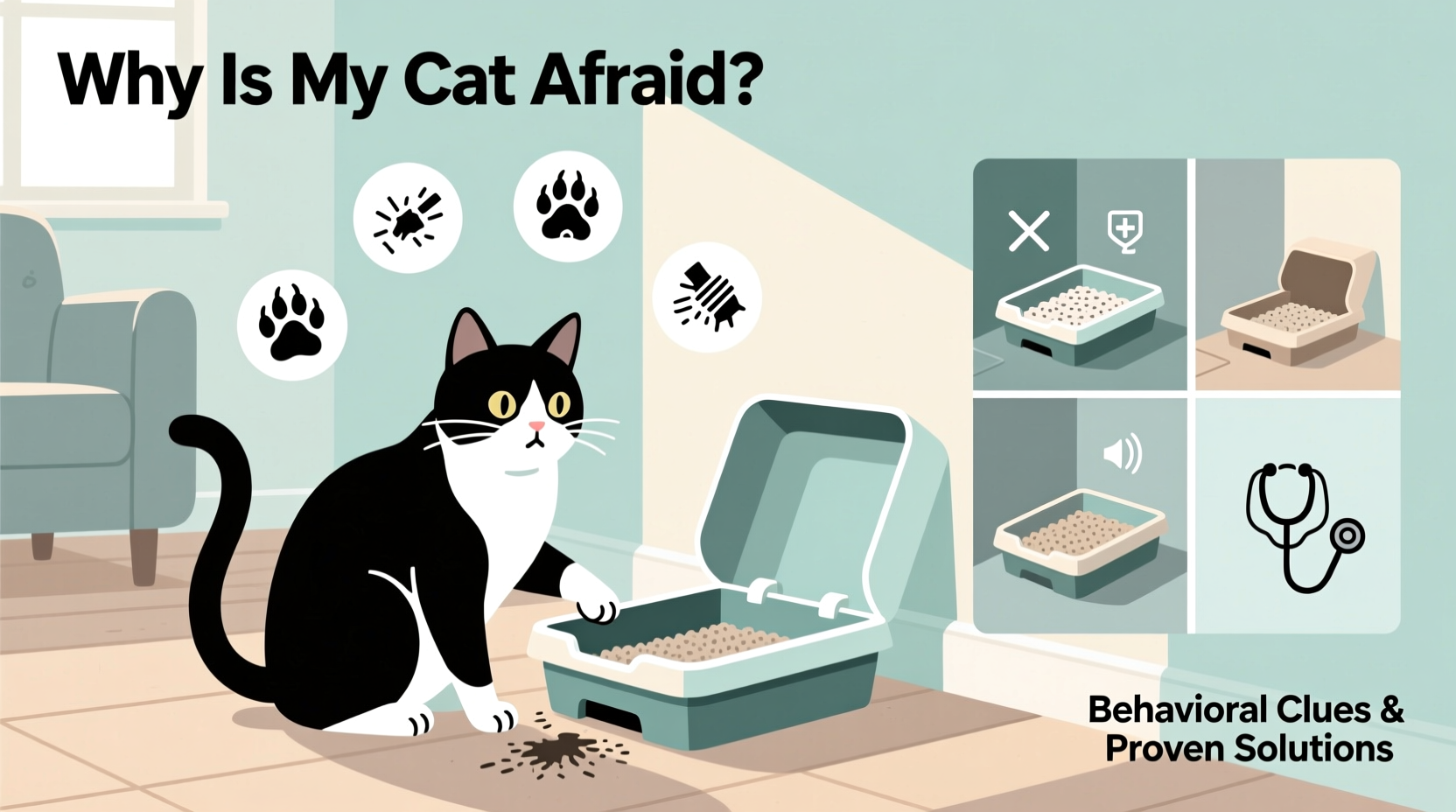
The first step in addressing the issue is identifying whether your cat is truly afraid of the litter box or simply avoiding it for other reasons. Fear manifests differently than mere dislike. A fearful cat may:
- Hesitate or freeze when approaching the box
- Sniff the area and quickly retreat
- Tiptoe around the box instead of stepping in confidently
- Vocalize anxiety (meowing, growling, hissing)
- Eliminate nearby but outside the box—sometimes just inches away
- Show flattened ears, dilated pupils, or a puffed tail when near the box
In contrast, a cat who dislikes the litter box due to cleanliness might still enter it but appear agitated during use. A fearful cat often won’t even attempt entry.
“Cats don’t misbehave out of spite. When they avoid the litter box, especially with signs of fear, it’s almost always because something in their environment feels threatening.” — Dr. Sarah Thompson, DVM, Feline Behavior SpecialistTip: Observe your cat’s body language from a distance without interfering. Use video monitoring if needed to catch behaviors you might miss during the day.
Common Causes Behind Sudden Litter Box Fear
A cat doesn’t wake up one day terrified of their litter box without reason. The key is to systematically rule out potential causes. These fall into three main categories: medical, environmental, and behavioral.
Medical Issues That Trigger Avoidance
Painful urination or defecation can create a negative association with the litter box. Conditions such as urinary tract infections (UTIs), bladder stones, constipation, or arthritis make using the box uncomfortable. Once the cat links pain with the location, they may begin avoiding it altogether—even after the condition resolves.
Older cats with arthritis may struggle to climb into high-sided boxes. The act of digging or balancing can become too painful, leading them to seek softer, easier surfaces elsewhere.
Environmental Triggers
Sudden changes in the home environment can spook even the most confident cats. Common culprits include:
- New litter type or strong-scented deodorizers
- A relocated litter box
- A dirty or overcrowded box
- Noisy appliances nearby (washer, dryer, furnace)
- A traumatic event near the box (a dog barking, a child slamming a door, a falling object)
Even subtle changes—like switching to a covered box or adding liners—can trigger fear if the cat perceives the space as confining or unstable underfoot.
Behavioral and Social Stressors
Cats are sensitive to social dynamics. In multi-cat households, bullying at the litter box is common. A dominant cat may wait nearby and attack the submissive one upon exit. Over time, the targeted cat begins to associate the box with danger.
Similarly, if a cat had a frightening experience while using the box—such as being startled by a vacuum cleaner or caught off guard by a visitor—they may develop a lasting fear of the location.
Step-by-Step Guide to Diagnose and Resolve the Issue
Resolving litter box fear requires patience and a methodical approach. Follow these steps to identify and address the root cause.
- Schedule a veterinary exam. Rule out UTIs, kidney disease, gastrointestinal issues, or arthritis. Pain is often the starting point of avoidance.
- Review recent household changes. Did you move the box? Change litter brands? Introduce a new pet or appliance?
- Assess the litter box setup. Is it clean? Accessible? Located in a quiet, low-traffic area?
- Observe interactions in multi-cat homes. Use cameras or discreet observation to check for aggression near the box.
- Introduce a second litter box. Place it in a different, calm location with unscented, fine-grained litter.
- Gradually reintroduce the original box. Leave it available but unused. Add treats or toys nearby to rebuild positive associations.
- Monitor progress over 2–3 weeks. Track usage, body language, and elimination patterns.
If the cat begins using the new box confidently, the problem was likely environmental or social. You can then phase out the old box or modify it to match the preferred setup.
Practical Solutions and Preventative Measures
Once the immediate fear is addressed, implement long-term strategies to prevent recurrence.
Optimize Litter Box Design
Not all litter boxes are created equal. Cats prefer:
- Unscented, clumping, fine-textured litter
- Large boxes (at least 1.5 times the cat’s length)
- Low sides for easy access, especially for seniors
- Open tops—covered boxes can trap odors and feel like traps
Follow the “One Plus One” Rule
In any household, provide at least one litter box per cat, plus one extra. This reduces competition and gives anxious cats alternative options. Spread boxes across different rooms to eliminate territorial guarding.
Maintain Impeccable Cleanliness
Scoop daily. Change litter completely every 2–3 weeks. Wash the box with mild soap and water—never ammonia or citrus cleaners, which mimic urine scent and deter cats.
Choose the Right Location
Place boxes in quiet, accessible areas away from loud noises and foot traffic. Avoid placing them next to food and water bowls—cats naturally separate elimination zones from eating areas.
| Do | Don’t |
|---|---|
| Place boxes in quiet, low-traffic areas | Put them in noisy basements or laundry rooms |
| Use unscented, soft-textured litter | Use heavily perfumed or crystal litters |
| Clean boxes daily | Let waste accumulate for days |
| Provide multiple boxes in multi-cat homes | Force cats to share a single box |
| Keep boxes away from food and water | Cluster feeding and elimination areas |
Real-Life Example: Luna’s Recovery from Litter Box Trauma
Luna, a 4-year-old domestic shorthair, lived in a two-cat apartment with her feline sibling, Milo. Her owner noticed she began eliminating beside the litter box, particularly at night. Initially assuming laziness, the owner scolded her—only worsening the behavior.
After a vet visit ruled out infection, the owner installed a camera near the litter box. Footage revealed Milo waiting by the box and swatting Luna as she exited. Luna began associating the box with threat and avoided it entirely.
The solution? Two new boxes were placed in separate rooms—one near Luna’s favorite perch, the other in a quiet hallway. Both used the same unscented litter. Within three days, Luna began using the new box near her perch. Milo showed no interest in guarding it. Over time, the original box was moved to a neutral zone and reintroduced successfully.
Luna’s case highlights how social stress—not poor training—was the real culprit. With empathy and observation, the issue resolved without medication or punishment.
FAQ: Common Questions About Litter Box Fear
Can a traumatic event really make a cat scared of the litter box?
Yes. A single incident—like being startled by a loud noise or attacked by another pet—can create a lasting fear. Cats have strong associative memory, especially regarding safety and vulnerability during elimination.
How long does it take for a cat to regain trust in a litter box?
With proper intervention, many cats begin using a new or modified box within 3–7 days. Full recovery, including willingness to use the original location, may take 2–4 weeks. Consistency and patience are key.
Should I punish my cat for going outside the box?
No. Punishment increases stress and worsens the problem. It damages trust and may lead to further secretive elimination. Focus on solving the cause, not correcting the symptom.
Conclusion: Restore Safety, Restore Confidence
A cat afraid of their litter box isn’t being defiant—they’re communicating distress. Whether the source is pain, a scary experience, or social tension, the solution lies in observation, compassion, and systematic change. By addressing medical concerns, optimizing the litter environment, and reducing stress, most cats can regain their confidence and return to healthy habits.
Your role isn’t to enforce rules, but to decode signals and create a space where your cat feels safe. Start today: watch closely, listen to their behavior, and adjust accordingly. Small changes can lead to profound improvements in your cat’s well-being.
💬 Have a story about your cat overcoming litter box fear? Share your experience in the comments—your insight could help another cat owner find hope and solutions.








