
One morning, you notice a small, unpleasant surprise near the bookshelf. Then again by the bedroom door. Your cat, once impeccably clean, is now avoiding the litter box entirely. This sudden change can be frustrating, confusing, and even disheartening for devoted pet owners. But before reacting with annoyance, it's essential to understand that litter box avoidance is rarely about spite. It’s a signal—sometimes subtle, sometimes urgent—that something is wrong.
Cats are creatures of habit, hygiene, and instinct. When they abandon their designated bathroom area, it’s usually due to a combination of environmental stress, physical discomfort, or psychological triggers. Decoding these behavioral clues requires patience, observation, and a willingness to look beyond the mess. By understanding the root causes, you can restore harmony in your home and ensure your cat feels safe, healthy, and understood.
Understanding the Cat Mind: Instincts Behind Litter Box Behavior
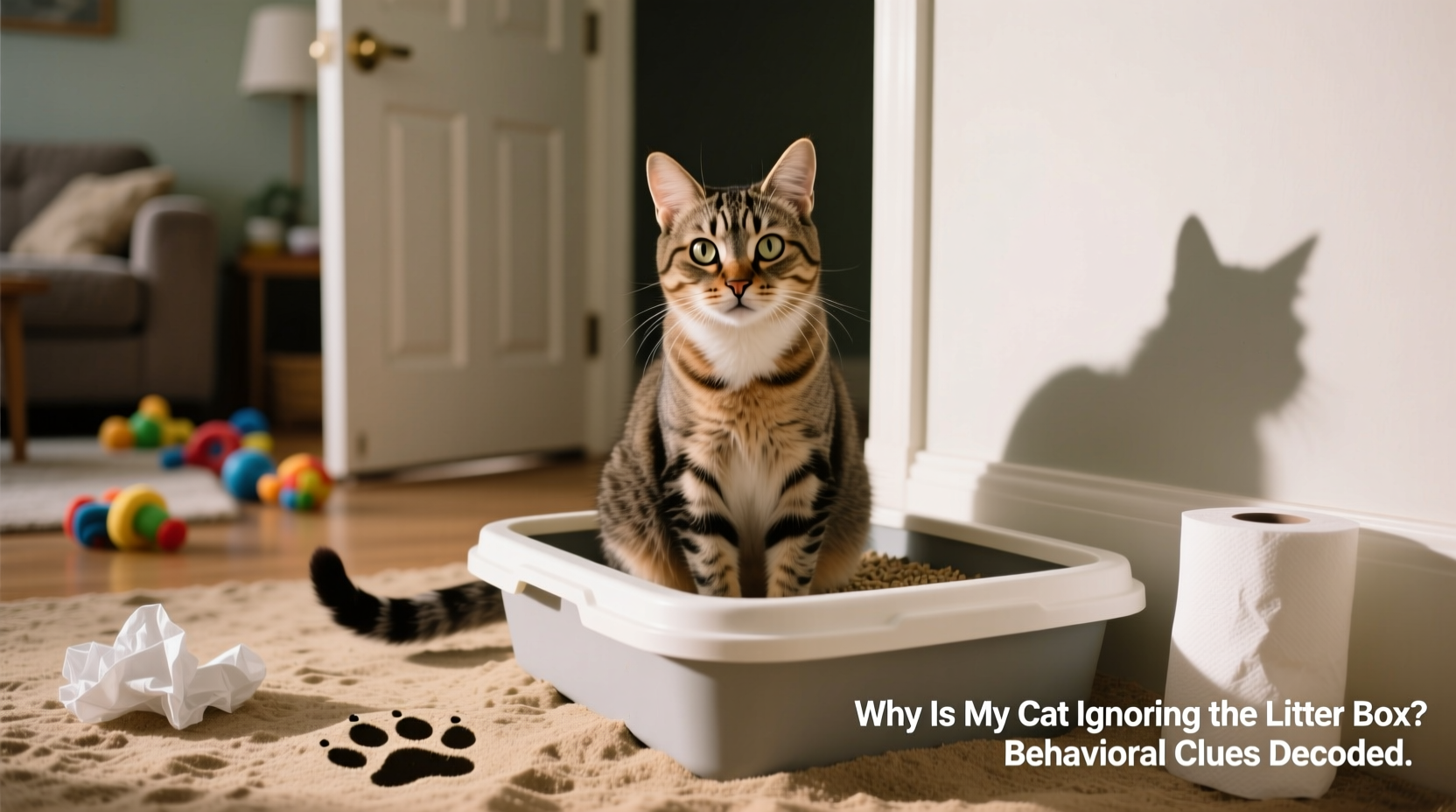
Cats are hardwired to bury their waste. In the wild, this behavior masks their scent from predators and signals social status. Even domesticated cats retain this instinct, which is why most adapt quickly to using a litter box. However, when that instinct breaks down, it’s often because one of three core needs has been disrupted: safety, cleanliness, or control.
A cat may avoid the litter box if it perceives the area as unsafe (e.g., high traffic zones or near loud appliances), if the box is dirty, or if another pet dominates access. Stressors like new household members, moving furniture, or changes in routine can also trigger avoidance. The key is recognizing that your cat isn’t misbehaving—it’s responding to its environment in a way that makes sense to them.
“Litter box issues are one of the top reasons cats end up in shelters. Yet, in over 70% of cases, the problem is fixable with proper diagnosis and adjustments.” — Dr. Sarah Thompson, Feline Behavioral Specialist, American Association of Feline Practitioners
Medical Causes: When Health Issues Trigger Avoidance
Before assuming behavioral causes, rule out medical problems. Sudden litter box avoidance is often the first sign of an underlying health condition. Common culprits include:
- Urinary tract infections (UTIs): Pain during urination leads cats to associate the litter box with discomfort.
- Feline lower urinary tract disease (FLUTD): A broad syndrome involving bladder inflammation, crystals, or blockages.
- Arthritis: Older cats may struggle to climb into high-sided boxes.
- Diabetes or kidney disease: Increased urination can cause accidents before reaching the box.
- Gastrointestinal issues: Diarrhea or constipation may lead to defecation outside the box.
If your cat strains, vocalizes while eliminating, produces small amounts of urine, or licks their genital area excessively, consult a veterinarian immediately. Blood in the urine or complete inability to urinate is a medical emergency, especially in male cats.
Tip: Always collect a fresh urine sample (using non-absorbent litter or a clean plastic bag) for your vet to speed up diagnosis.Environmental & Behavioral Triggers: The Hidden Stressors
When medical causes are ruled out, focus shifts to the cat’s environment. Cats are sensitive to subtle changes humans often overlook. Consider these common behavioral triggers:
Litter Box Location and Accessibility
A box placed in a noisy basement, next to a washing machine, or in a cramped closet may feel unsafe. Cats prefer quiet, low-traffic areas with multiple escape routes. If the only entrance is blocked by another pet or a closing door, your cat may avoid it altogether.
Litter Type and Cleanliness
Scented litter, dusty clay, or sudden switches in brand can deter cats. Most felines prefer unscented, clumping litter with a sand-like texture. Scoop daily and fully change the litter weekly. A dirty box is the number one reason cats seek alternatives.
Number of Boxes
The general rule: one litter box per cat, plus one extra. In multi-cat homes, competition can lead to territorial marking or avoidance. Place boxes in separate locations to reduce conflict.
Stress and Household Changes
New pets, babies, visitors, construction noise, or even rearranged furniture can unsettle a cat. Stress manifests in many ways, including inappropriate elimination. Multi-cat dynamics, such as bullying or resource guarding, also play a role.
“A cat doesn’t ‘get revenge’ by peeing on your bed. They’re communicating distress. Listen to the behavior, not the location.” — Jackson Galaxy, Cat Behavior Consultant
Action Plan: Step-by-Step Guide to Restoring Litter Box Use
Resolving litter box issues takes time and consistency. Follow this structured approach to identify and correct the problem:
- Visit the veterinarian: Rule out UTIs, FLUTD, arthritis, or other medical conditions with a full exam and urine test.
- Assess the litter box setup: Evaluate number, location, type, and cleanliness. Ensure boxes are easily accessible, especially for seniors or kittens.
- Identify environmental stressors: Note recent changes—new pet, move, visitor, etc. Use pheromone diffusers (like Feliway) to reduce anxiety.
- Eliminate odors from accident sites: Use enzymatic cleaners to break down urine and feces residue. Avoid ammonia-based products, which mimic urine scent.
- Reintroduce the litter box: Temporarily place a box directly where accidents occur. Once used consistently, gradually move it to the desired location by a few inches per day.
- Monitor and adjust: Track usage, behavior, and interactions. Adjust litter type, box style (covered vs. open), or location based on response.
- Consult a behaviorist if needed: For persistent cases, especially with inter-cat conflict or severe anxiety, professional guidance is invaluable.
Checklist: Quick Fixes for Immediate Improvement
Use this checklist to troubleshoot common issues fast:
- ✅ Scoop all litter boxes at least once daily
- ✅ Have at least one more box than the number of cats
- ✅ Place boxes in quiet, accessible, low-traffic areas
- ✅ Use unscented, clumping litter unless your cat shows preference otherwise
- ✅ Clean accident spots with enzymatic cleaner—never vinegar or bleach
- ✅ Rule out pain or illness with a vet visit
- ✅ Reduce household stress with consistent routines and hiding spots
- ✅ Introduce changes slowly—new people, pets, or furniture
- ✅ Avoid punishment—yelling or rubbing a cat’s nose in urine worsens anxiety
- ✅ Monitor interactions between cats for signs of bullying
Real Example: Luna’s Comeback from Litter Box Rebellion
Maria adopted Luna, a 3-year-old tabby, six months ago. For weeks, Luna used her litter box without issue. Then, after Maria’s sister stayed for two weeks with her dog, Luna began urinating behind the couch and under the dining table. Maria was frustrated and considered rehoming her.
She consulted her vet, who found no infection but suggested stress as a factor. Maria realized Luna had hidden most of the time during the visit and hadn’t used the basement box since. Following advice, she added a second box on the main floor, switched to a softer, unscented litter, and installed a Feliway diffuser. She also created a quiet sanctuary with a bed, toys, and food away from foot traffic.
Within ten days, Luna returned to using both boxes regularly. Maria learned that even temporary disruptions could have lasting effects on a sensitive cat. With empathy and adjustment, the bond between them grew stronger.
Do’s and Don’ts: What to Do (and Avoid) When Addressing Litter Box Issues
| Do | Don’t |
|---|---|
| Provide multiple clean, accessible litter boxes | Use only one box for multiple cats |
| Use unscented, clumping litter | Switch litter types abruptly |
| Clean accidents with enzymatic cleaner | Clean with ammonia or vinegar-based products |
| Visit the vet at the first sign of change | Assume it’s behavioral without ruling out illness |
| Offer safe spaces and reduce stress | Punish or scold your cat for accidents |
| Be patient and consistent | Give up too quickly or consider rehoming prematurely |
FAQ: Common Questions About Litter Box Avoidance
Why is my cat peeing beside the box instead of in it?
This often indicates discomfort with the box itself—perhaps the litter is too deep, the sides are too high, or the box is unclean. It can also signal pain from a UTI. Some cats dislike covered boxes due to poor ventilation or trapped odors.
Can I train an older cat to use a new litter box location?
Yes, but gradually. Move the box a few inches per day toward the new spot. Older cats appreciate routine, so minimize other changes during the transition. Consider adding a ramp or lower-entry box if mobility is an issue.
My cat uses the box for poop but pees elsewhere—what does this mean?
This split behavior often points to a strong aversion to the litter’s texture or scent for urination, while accepting it for defecation. Try a second box with different litter to test preferences. Medical issues like cystitis should also be ruled out.
Conclusion: Rebuilding Trust One Step at a Time
Your cat isn’t being defiant—they’re communicating. Litter box avoidance is a cry for help, not a character flaw. Whether the cause is medical, environmental, or emotional, the solution lies in observation, compassion, and action. By addressing the root issue rather than the symptom, you restore not just bathroom habits, but trust and well-being.
Start today: check the litter, schedule a vet visit, and assess your cat’s world through their eyes. Small changes can lead to dramatic improvements. Every step you take strengthens your bond and gives your cat the dignified, comfortable life they deserve.
💬 Have you solved a litter box mystery with your cat? Share your story in the comments—your experience could help another pet owner find peace and clarity.








