When a cat that once used the litter box reliably begins eliminating outside of it, owners often feel frustrated and confused. But this behavior is rarely about spite or laziness. A sudden avoidance of the litter box is almost always a signal—either of physical discomfort, environmental stress, or both. Understanding whether the root cause is medical or behavioral is the first step toward resolving the issue. Ignoring the problem can lead to chronic litter box aversion, strained human-animal bonds, and even relinquishment to shelters. The good news: with careful observation and timely action, most cases can be successfully addressed.
Medical Causes Behind Litter Box Avoidance
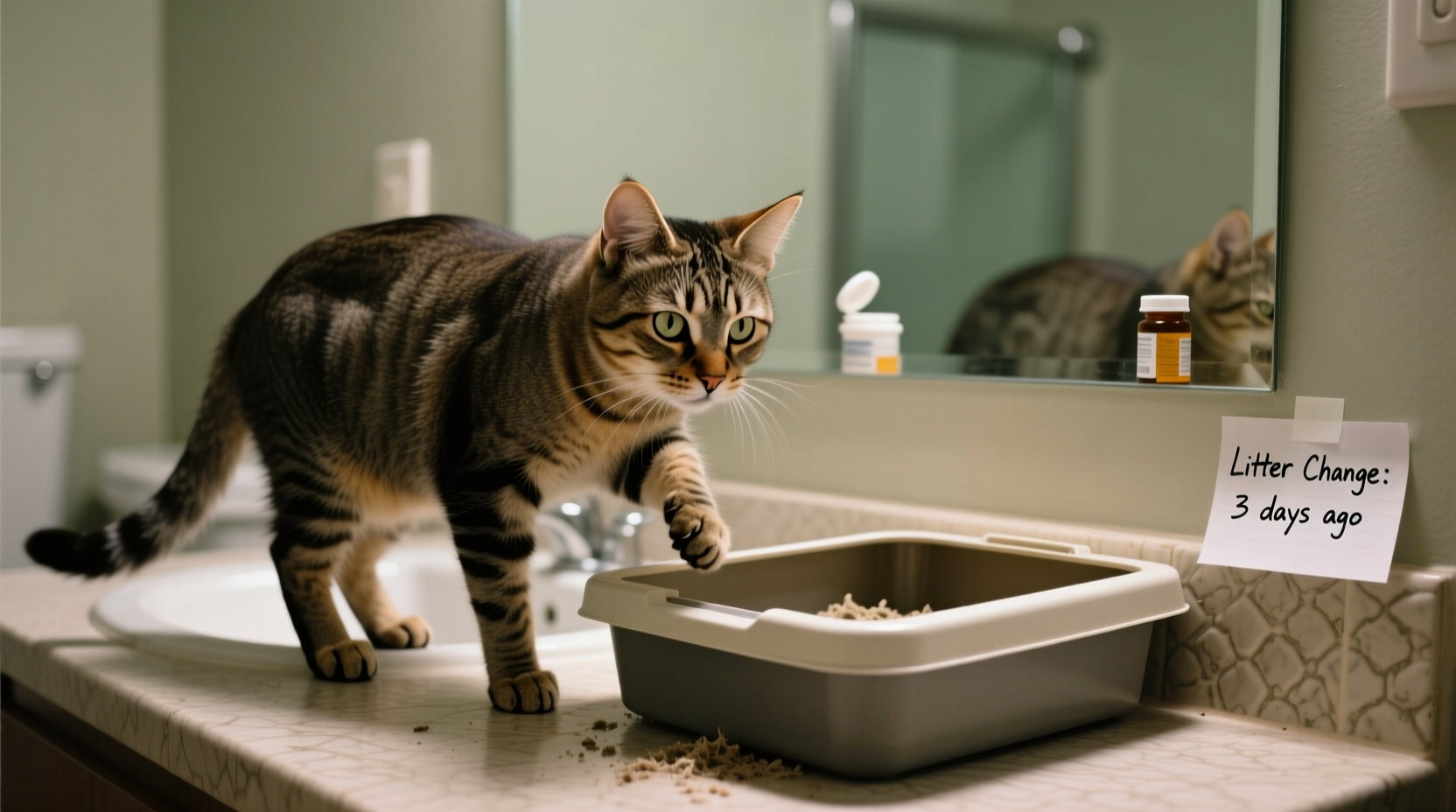
Cats are masters at hiding pain, but changes in elimination habits are among the earliest signs of illness. If your cat has recently started urinating or defecating outside the box, a veterinary visit should be the first step—not the last.
Common medical conditions that affect litter box use include:
- Urinary tract infections (UTIs): Pain during urination can cause a cat to associate the litter box with discomfort, leading them to avoid it.
- Feline lower urinary tract disease (FLUTD): This umbrella term includes bladder inflammation, crystals, and blockages—especially dangerous in male cats.
- Arthritis or mobility issues: Older cats may struggle to climb into high-sided boxes or find it painful to squat.
- Constipation or gastrointestinal pain: Defecating becomes unpleasant, so cats may delay or avoid the act altogether.
- Kidney disease or diabetes: Increased urine volume can lead to more frequent trips, accidents, or urgency that doesn’t allow time to reach the box.
- Neurological disorders: Issues affecting nerve control can impair bladder or bowel function.
“Any change in litter box behavior warrants a veterinary exam. We see too many cats treated for ‘behavioral’ issues when the real culprit is a painful medical condition.” — Dr. Lena Reyes, DVM, Feline Internal Medicine SpecialistTip: Collect a fresh urine sample (using non-absorbent litter or a clean plastic bag placed inside the box) to bring to your vet if possible.
Behavioral Triggers of Litter Box Avoidance
If medical causes are ruled out, the focus shifts to environmental and psychological factors. Cats are creatures of habit, and even minor disruptions can trigger stress-related elimination problems.
1. Litter Box Hygiene
Cats have an acute sense of smell and prefer a clean environment. A box that’s scooped infrequently or not cleaned thoroughly can become repulsive. Some cats will refuse to use a box after just one unclean incident.
2. Litter Type and Texture
A change in brand, scent, or texture—even switching from clumping to non-clumping—can deter use. Many cats dislike scented litters or those with strong chemical additives.
3. Box Location and Accessibility
Litter boxes placed in noisy, high-traffic areas (like next to a washing machine or in a busy hallway) can make cats feel vulnerable. Similarly, placing the box near food and water bowls violates a cat’s instinct to keep elimination zones separate from eating areas.
4. Multi-Cat Household Tensions
In homes with multiple cats, competition and territorial disputes can interfere with litter box access. A dominant cat may guard the box, forcing others to eliminate elsewhere. This is known as “inappropriate elimination due to social stress.”
5. Traumatic Associations
A frightening experience near the litter box—such as being startled by a loud noise or attacked by another pet—can create lasting fear. Once a negative association forms, the cat may avoid the entire area.
| Factor | Potential Issue | Solution |
|---|---|---|
| Box Cleanliness | Infrequent scooping or deep cleaning | Scoop daily; replace litter weekly; wash monthly with mild soap |
| Litter Preference | Change in brand, scent, or texture | Revert to previous type; test alternatives gradually |
| Box Number | Too few boxes for number of cats | Follow the n+1 rule (one box per cat plus one extra) |
| Box Style | Covered boxes may trap odors or limit escape routes | Offer uncovered options; consider low-entry designs |
| Location | Noisy, isolated, or hard-to-reach spots | Place boxes in quiet, accessible areas on each floor |
Step-by-Step Guide to Diagnose and Resolve the Issue
Resolving litter box avoidance requires a methodical approach. Follow this timeline to identify and correct the underlying cause:
- Day 1–2: Schedule a Veterinary Visit
Rule out UTIs, FLUTD, arthritis, or other medical issues. Your vet may request blood work, urinalysis, or X-rays. - Day 3: Audit the Litter Box Setup
Evaluate cleanliness, location, number of boxes, litter type, and box style. Note any recent changes. - Day 4–7: Reintroduce Clean, Accessible Boxes
Provide one additional box beyond the number of cats. Use unscented, clumping litter. Place boxes in quiet, low-traffic areas. - Day 8–14: Monitor Behavior Closely
Track where accidents occur, frequency, and consistency of waste. Note if your cat investigates the box but walks away. - Day 15+: Adjust Environment Based on Findings
If medical: follow treatment plan. If behavioral: modify setup, reduce stress, and use positive reinforcement.
Real-Life Example: Bella’s Story
Bella, a 7-year-old domestic shorthair, had always been meticulous about her litter box. Then, over the course of two weeks, she began urinating on the bathroom rug. Her owner, Maria, was baffled. She tried changing litters, adding a second box, and scolding Bella—none of which helped.
After a vet visit, tests revealed Bella had a urinary tract infection and small bladder stones. She was prescribed antibiotics and a special diet. Within days of starting treatment, Bella returned to using her litter box consistently.
Maria later realized she’d dismissed early signs—Bella spending longer in the box, vocalizing slightly while urinating, and excessive grooming around her genital area. “I thought she was just being fussy,” Maria said. “I didn’t realize she was in pain.”
Bella’s case underscores how easily medical issues can be mistaken for defiance. With proper diagnosis and care, the behavior resolved completely.
Checklist: What to Do When Your Cat Avoids the Litter Box
Use this actionable checklist to address the issue systematically:
- ✅ Schedule a veterinary exam to rule out medical causes
- ✅ Scoop all litter boxes at least once daily
- ✅ Provide one more litter box than the number of cats in the home
- ✅ Use unscented, clumping litter unless your cat shows a clear preference otherwise
- ✅ Place boxes in quiet, accessible locations—away from appliances and food
- ✅ Avoid covered boxes unless your cat clearly prefers them
- ✅ Clean accident sites with enzymatic cleaner to eliminate odor memory
- ✅ Reduce household stress with pheromone diffusers (e.g., Feliway) if needed
- ✅ Observe interactions between pets to identify bullying or resource guarding
- ✅ Give praise or treats when your cat uses the box correctly (positive reinforcement)
FAQ: Common Questions About Litter Box Avoidance
Can stress really cause a cat to stop using the litter box?
Yes. Cats are highly sensitive to changes in routine, new people, moving, or the addition of a pet. Stress can manifest physically and behaviorally, including inappropriate elimination. Environmental enrichment and calming aids can help reduce anxiety.
How long does it take to retrain a cat to use the litter box?
There’s no fixed timeline. If the cause is medical, improvement may happen within days of treatment. Behavioral cases can take weeks to months, depending on consistency, environment, and the cat’s temperament. Patience and persistence are essential.
Should I confine my cat to a small area during retraining?
In some cases, yes. A “retraining room” with a bed, food, water, and one or two litter boxes can help rebuild positive associations. Gradually reintroduce your cat to the rest of the home once consistent use resumes.
Conclusion: Act Early, Respond with Compassion
A cat avoiding the litter box is sending a message—whether it’s “I’m in pain” or “I feel unsafe.” Dismissing the behavior as stubbornness only delays resolution and risks long-term damage to your cat’s health and your relationship. By approaching the issue with empathy, diligence, and a structured plan, you can uncover the true cause and restore harmony in your home.
Start with a vet visit. Then evaluate the environment. Make adjustments based on your cat’s needs, not assumptions. Remember, every cat is an individual—what works for one may not work for another. Stay observant, stay patient, and never underestimate the power of a clean, well-placed litter box.
💬 Have you overcome litter box challenges with your cat? Share your story in the comments—your experience could help another pet owner find hope and solutions.








