Cats are naturally curious and agile creatures, but when their behavior shifts from playful to persistently restless, it can signal underlying issues. Restlessness in cats isn’t just an occasional burst of energy—it’s ongoing pacing, inability to settle, excessive grooming, or vocalization that disrupts their routine and yours. Understanding the root causes, recognizing early signs, and knowing how to respond can make a significant difference in your cat’s well-being.
Common Causes of Cat Restlessness
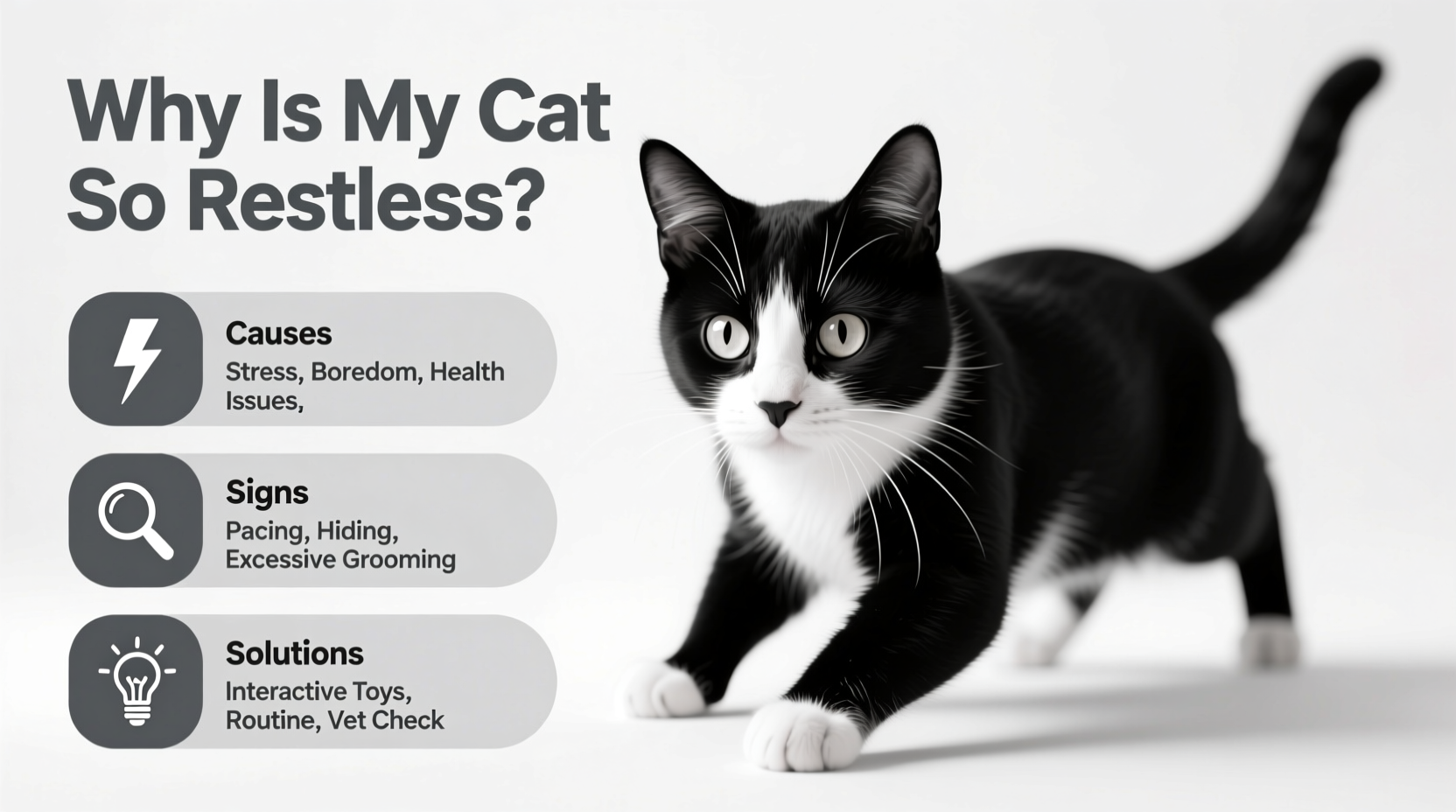
Cat restlessness rarely stems from a single factor. It’s often a combination of physical, psychological, and environmental influences. Identifying the cause is the first step toward resolution.
- Medical Conditions: Hyperthyroidism, arthritis, dental pain, gastrointestinal discomfort, or urinary tract infections can all lead to agitation. Older cats may show restlessness due to cognitive dysfunction syndrome (feline dementia).
- Pain or Discomfort: Even subtle pain—such as from an old injury or internal issue—can make a cat unable to relax.
- Anxiety or Stress: Changes in the household, new pets, loud noises, or lack of stimulation can trigger anxiety. Cats are highly sensitive to routine disruptions.
- Boredom or Lack of Stimulation: Indoor cats especially need mental and physical engagement. Without toys, climbing structures, or interaction, they may become hyperactive or compulsive.
- Hormonal Imbalances: Unspayed females may exhibit restlessness during heat cycles. Male cats not neutered may pace due to hormonal urges.
- Environmental Factors: Overheating, loud appliances, or even changes in lighting can unsettle a cat with strong sensory perception.
Key Signs Your Cat Is Restless
Restlessness isn’t always obvious. Some cats hide discomfort well. Watch for these behavioral cues:
- Pacing without purpose, especially in repetitive patterns
- Inability to find a comfortable resting position
- Excessive meowing, particularly at night
- Over-grooming to the point of hair loss or skin irritation
- Sudden startles or hyper-vigilance
- Aggression or irritability when approached
- Changes in appetite or litter box habits
“Cats don’t act out of boredom alone. Persistent restlessness is often a cry for help—either physical or emotional.” — Dr. Lena Torres, Feline Behavior Specialist
Step-by-Step Guide to Calming a Restless Cat
Addressing restlessness requires a structured approach. Follow this timeline to identify and resolve the issue:
- Day 1–2: Observe and Document
Keep a log of when the restlessness occurs, duration, triggers (e.g., after meals, at night), and associated behaviors. Note any changes in eating, drinking, or elimination. - Day 3: Evaluate Environment
Check for recent changes—new furniture, visitors, construction noise, or altered routines. Ensure your cat has access to quiet spaces, perches, and hiding spots. - Day 4–5: Rule Out Medical Issues
Schedule a vet visit. Blood work, urinalysis, and a physical exam can detect conditions like hyperthyroidism or kidney disease. Mention any behavioral changes observed. - Day 6–7: Implement Environmental Enrichment
Add interactive toys, puzzle feeders, window perches, and daily play sessions using wand toys to mimic hunting. - Week 2 Onward: Establish Routine & Reduce Stress
Feed, play, and interact at consistent times. Use pheromone diffusers (like Feliway) and consider soundproofing noisy areas if needed.
Do’s and Don’ts: Managing a Restless Cat
| Do’s | Don’ts |
|---|---|
| Provide daily interactive play sessions (10–15 minutes, twice a day) | Ignore persistent pacing or vocalization |
| Offer vertical space like cat trees or shelves | Punish your cat for being restless—it won’t stop the behavior and increases stress |
| Use calming aids like pheromone sprays or natural supplements (after vet approval) | Allow unchecked exposure to loud noises or chaotic environments |
| Maintain a consistent feeding and sleeping schedule | Assume it’s “just their personality” without investigating further |
Real Example: Bella the Anxious Tabby
Bella, a 6-year-old indoor tabby, began pacing at night, crying near her owner’s bedroom door. Her guardian initially thought she wanted attention. But after tracking her behavior, they noticed Bella also over-groomed her legs and avoided her favorite sunlit spot. A vet visit revealed early-stage hyperthyroidism. With medication and a nightly routine that included gentle play and a heated bed, Bella’s restlessness decreased within three weeks. The case highlights how medical and behavioral factors can intertwine—and why observation matters.
Tip: Record a short video of your cat’s restless behavior to show your veterinarian—it can reveal patterns you might miss.When to Seek Professional Help
While some restlessness resolves with environmental adjustments, certain situations require expert intervention:
- If restlessness persists beyond two weeks despite changes
- When accompanied by weight loss, vomiting, or lethargy
- If aggression or self-harm (e.g., fur pulling) develops
- In older cats showing confusion, disorientation, or nighttime wandering
A veterinary behaviorist can design a tailored plan, which may include anti-anxiety medication, behavior modification, or cognitive support supplements.
Frequently Asked Questions
Why is my cat restless at night?
Cats are naturally crepuscular—most active at dawn and dusk—but nighttime restlessness can stem from boredom, hunger, or medical issues like hypertension or cognitive decline in senior cats. Ensuring evening play and a pre-bedtime meal can help regulate their cycle.
Can diet affect my cat’s behavior?
Yes. Poor-quality food lacking essential nutrients (like taurine or B vitamins) can impact neurological function. Sudden diet changes may also cause digestive upset, leading to discomfort and agitation. Always transition foods gradually and consult your vet about optimal nutrition.
Is it normal for cats to be restless after moving?
Yes, relocation is highly stressful for cats. They rely on scent and territory. Restlessness post-move can last days to weeks. Provide familiar items (blankets, toys), use pheromone diffusers, and allow slow exploration. Avoid forcing interaction.
Conclusion: Taking Action for a Calmer Cat
Restlessness in cats is more than a nuisance—it’s a signal. Whether rooted in health, environment, or emotion, it demands thoughtful attention. By observing closely, ruling out medical causes, enriching their world, and seeking help when needed, you can restore balance to your cat’s life. Every small change you make builds trust and comfort, leading to a happier, more settled companion.
💬 Have a story about your restless cat or a solution that worked? Share your experience in the comments—your insight could help another pet parent find peace for their feline friend.








