It’s a rite of passage for many men: the first few weeks of growing a beard come with an uninvited guest—itchiness. You’re excited about your new look, but your skin has other plans. The constant urge to scratch can make the experience frustrating, even discouraging. Understanding why this happens and how to manage it isn’t just about comfort; it’s essential for maintaining healthy beard growth and skin integrity.
The itch isn’t a sign of failure—it’s biology. As facial hair emerges and thickens, it interacts with your skin in ways that trigger irritation. But with the right knowledge and tools, especially proper use of beard grooming oils, you can transform this uncomfortable phase into a smooth journey toward a full, soft, and well-maintained beard.
The Science Behind Beard Itch: What’s Really Happening?
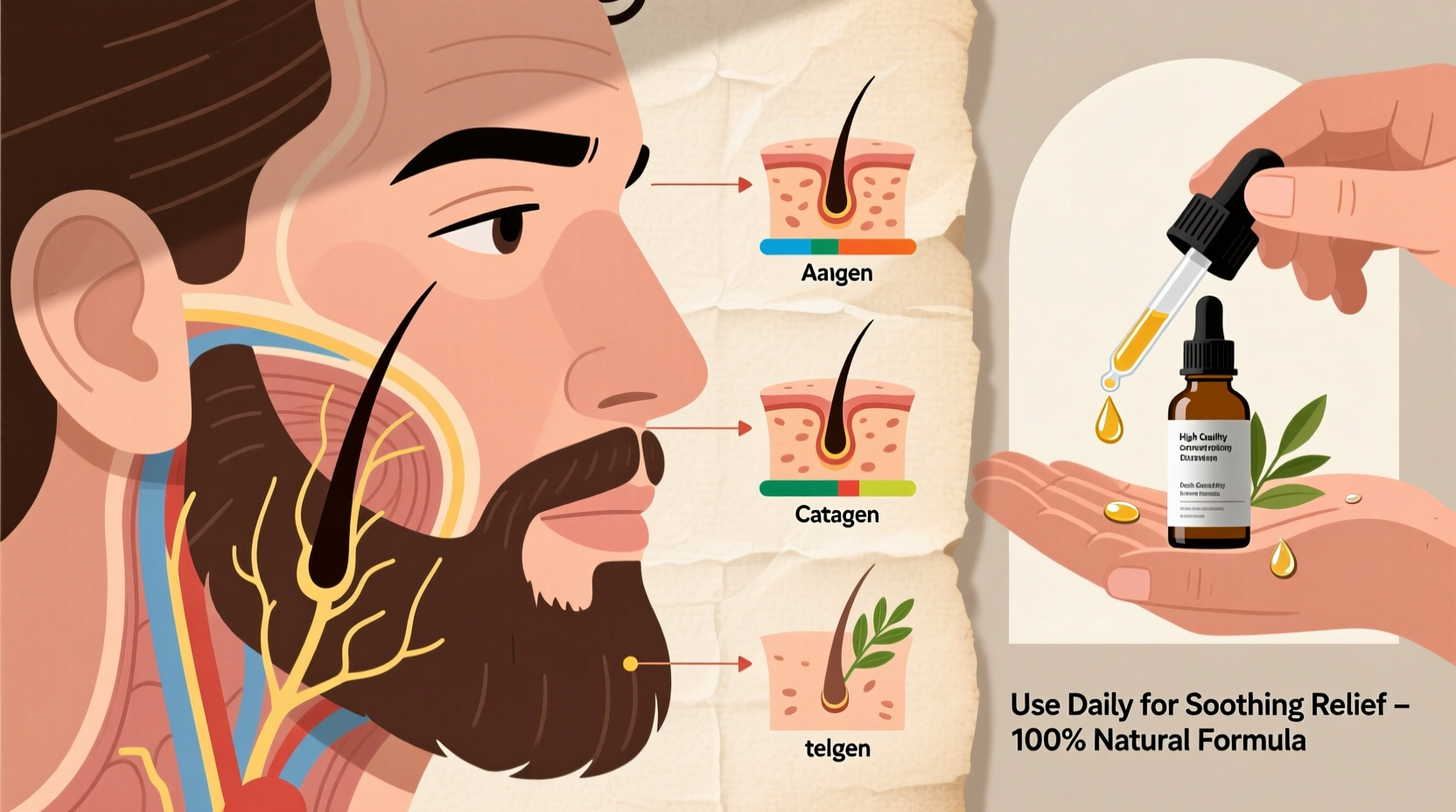
When you begin growing a beard, the sensation of itchiness typically starts within the first 1–3 weeks. This isn’t random—it’s rooted in physiological changes beneath the surface. As new hairs grow, they push through the hair follicles and rub against the top layer of your skin. Since these hairs are coarse and often curly, they can curl back and pierce the skin (a condition known as ingrown hairs), causing micro-inflammation and discomfort.
Additionally, as the hair lengthens, it traps dead skin cells, dirt, and excess sebum. Without regular cleansing, this buildup can clog pores and exacerbate irritation. The skin underneath also dries out because facial hair acts like a barrier, wicking away natural moisture from the epidermis. This dryness leads to flakiness and further itching—a cycle that, if left unchecked, can result in beardruff and even bacterial infections.
“Beard itch is almost universal in early growth stages. It’s not a hygiene flaw—it’s a biological response to change.” — Dr. Marcus Lin, Dermatologist & Skin Health Specialist
Understanding the 5 Phases of Beard Growth and Associated Itch Levels
Beard growth isn’t linear. It progresses through distinct phases, each with its own challenges and levels of discomfort. Recognizing where you are in this cycle helps you tailor your care routine effectively.
| Phase | Duration | Itch Level (1–10) | Key Characteristics |
|---|---|---|---|
| Stubble Phase | Days 1–10 | 6–7 | Hairs are short, sharp, and constantly rubbing against skin. Most mechanical irritation occurs here. |
| Awkward Phase | Weeks 2–4 | 8–9 | Hair is long enough to tangle but not long enough to style. Dead skin accumulates rapidly. |
| Transition Phase | Weeks 5–8 | 5–6 | Growth evens out. Skin begins to adapt. Proper grooming reduces itch significantly. |
| Maturation Phase | Months 3–6 | 3–4 | Beard fills in. Hair texture softens. Oil distribution improves naturally. |
| Full Beard Phase | 6+ months | 1–2 | Established routine keeps skin healthy. Itch only returns with neglect or environmental factors. |
The peak of discomfort usually hits during the awkward phase. This is when most men consider shaving it all off. But pushing through with consistent care pays off. By month three, the majority report a dramatic reduction in itch and a noticeable improvement in beard texture.
Tip: Don’t trim too early. Cutting during the awkward phase can worsen irritation by creating sharper ends that poke the skin.How Beard Grooming Oils Combat Itch and Support Healthy Growth
Beard oil isn’t just a luxury—it’s a functional tool designed to address the root causes of itchiness. A high-quality grooming oil works on multiple levels: moisturizing the skin, softening beard hair, reducing inflammation, and preventing flaking.
The best oils contain a blend of carrier oils (like jojoba, argan, or grapeseed) and essential oils (such as tea tree, cedarwood, or sandalwood). Jojoba oil, for example, closely mimics the sebum naturally produced by your skin, making it highly effective at restoring moisture without clogging pores. Argan oil is rich in vitamin E and fatty acids, which nourish both hair and skin.
Essential oils bring additional benefits. Tea tree oil has antifungal and antimicrobial properties, ideal for preventing infections in irritated follicles. Cedarwood promotes circulation, potentially stimulating stronger hair growth over time.
Applied daily, beard oil creates a protective barrier that locks in hydration, reduces friction between hair and skin, and keeps the under-beard area clean and supple.
Step-by-Step: How to Apply Beard Oil for Maximum Relief
Using beard oil correctly is just as important as choosing the right formula. Follow this simple routine:
- Cleanse first: Wash your face and beard with a mild beard shampoo or cleanser. Rinse thoroughly and pat dry—apply oil to slightly damp skin for better absorption.
- Dispense the right amount: For short beards (under 1 inch), 3–4 drops suffice. Medium beards (1–3 inches) need 5–7 drops. Long or thick beards may require 8–10 drops.
- Warm the oil: Rub the oil between your palms to warm it and distribute it evenly.
- Apply to the skin first: Use your fingertips to massage the oil directly into the skin beneath the beard. This ensures hydration reaches the source of the itch.
- Work through the hair: Use a comb or your fingers to distribute the oil from root to tip, ensuring full coverage.
- Style as usual: Finish with a beard balm or wax if desired for hold and added protection.
For best results, apply in the morning after showering or at night before bed—when your pores are open and absorption is optimal.
Avoiding Common Mistakes That Worsen Beard Itch
Even with good intentions, certain habits can sabotage your progress. These missteps are common but easily corrected.
- Over-washing: Using harsh soaps or washing more than twice daily strips natural oils, worsening dryness.
- Skipping exfoliation: Not removing dead skin allows buildup that feeds itch and beardruff.
- Using low-quality oils: Products with synthetic fragrances or mineral oil can irritate sensitive skin.
- Letting hair get too long without trimming: Tangles pull on follicles and trap debris, increasing discomfort.
- Touching or scratching: This introduces bacteria and can lead to folliculitis or scarring.
“Scratching might offer momentary relief, but it damages the skin barrier and prolongs healing. Replace the habit with oil application.” — Lena Patel, Trichology Consultant
Checklist: Daily Routine to Prevent and Treat Beard Itch
Daily Beard Care Checklist:- ✅ Wash face with gentle beard cleanser (once or twice daily)
- ✅ Exfoliate 2–3 times per week using a soft brush or scrub
- ✅ Apply beard oil morning or night (or both)
- ✅ Comb beard daily to prevent tangles and distribute oils
- ✅ Stay hydrated and maintain a balanced diet rich in omega-3s and biotin
- ✅ Avoid touching or scratching the beard
- ✅ Trim split ends every 3–4 weeks to maintain health
Real Experience: How James Went From Itch to Confidence in 8 Weeks
James, a 29-year-old software developer, decided to grow his first real beard for “No Shave November.” By day 10, he was miserable. “It felt like sandpaper on my face,” he said. “I scratched so much I had red marks and flaking everywhere.”
He nearly gave up—until a coworker recommended a jojoba-based beard oil and a boar bristle brush. James started washing his beard every other day with a sulfate-free cleanser, applied 4 drops of oil nightly, and brushed his beard morning and night.
By week four, the worst of the itch subsided. He began exfoliating twice a week and noticed fewer flakes. At eight weeks, his beard was fuller, softer, and irritation-free. “I didn’t realize how much difference the oil made until I forgot to apply it one night—and woke up itchy again,” he recalled. Today, James maintains a full beard year-round and credits consistent oiling as the turning point.
Frequently Asked Questions About Beard Itch and Grooming Oils
Can I use coconut oil instead of beard oil?
While coconut oil is natural and moisturizing, it has a high comedogenic rating, meaning it can clog pores for some skin types. This may lead to breakouts or folliculitis under the beard. If you choose to use it, do a patch test first and consider mixing it with lighter oils like jojoba to reduce greasiness.
How long does beard itch usually last?
Most men experience peak itchiness between days 10 and 21. With proper care, symptoms subside significantly by week 6. Persistent itching beyond two months may indicate an underlying skin condition like eczema or fungal infection, which warrants medical consultation.
Is it normal for my beard to shed a little?
Yes. Like scalp hair, beard hair goes through growth cycles. It’s normal to lose a few strands daily, especially during washing or brushing. Excessive shedding or patchy thinning could signal stress, nutritional deficiency, or hormonal imbalance.
Final Thoughts: Embrace the Process, Respect Your Skin
Growing a beard is more than a style choice—it’s a commitment to self-care. The itch is temporary, but the discipline you build during this phase lasts. By understanding the growth stages, using grooming oils wisely, and avoiding common pitfalls, you turn discomfort into opportunity: a chance to develop a sustainable routine that supports both skin health and facial hair vitality.
Your beard doesn’t have to be perfect to be impressive. What matters is consistency, patience, and respect for the process. The soft, itch-free beard you want isn’t far off—it’s built drop by drop, day by day.
💬 Have a tip that helped you beat the itch? Share your story in the comments and help others grow with confidence.








