A patchy, prickly beard in its early stages can be more frustrating than fulfilling. Many men who start growing facial hair quickly encounter an uncomfortable reality: relentless itching. This isn’t just a minor annoyance—it can lead to scratching, redness, flaking, and even infections if not managed properly. The good news is that most beard itch is preventable and treatable with the right knowledge and routine.
The root of beard itch lies in both biological changes and grooming habits. As facial hair grows, it disrupts the skin’s surface, traps dead skin cells, and alters moisture balance. Compounded by improper care, this creates the perfect environment for irritation. Understanding the causes—and correcting common mistakes—can transform a maddening experience into a smooth journey toward a full, healthy beard.
Understanding Beard Itch: The Science Behind the Scratch
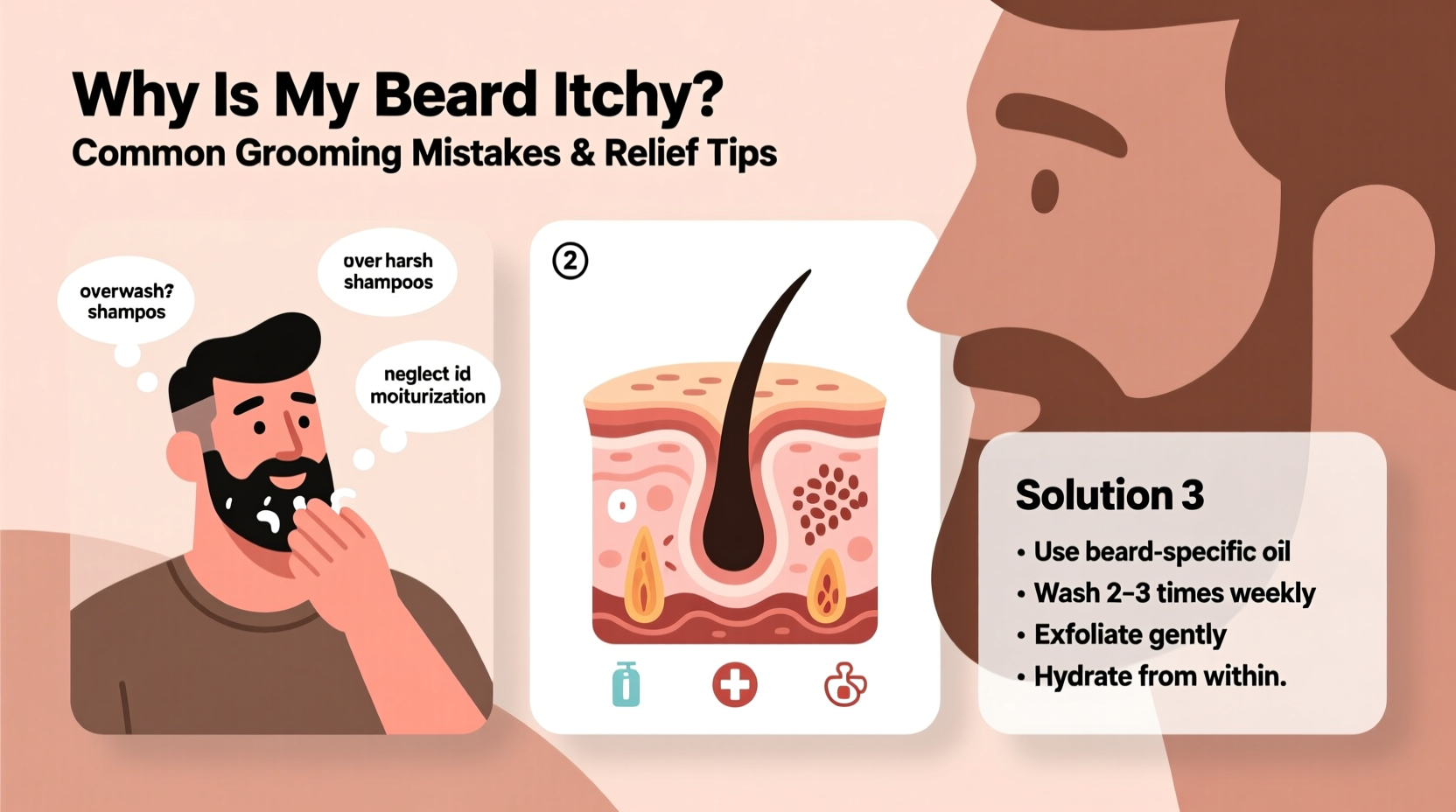
Beard itch, often referred to as “beardruff” when accompanied by flaking, typically begins in the first few weeks of growth. During this phase, new hairs emerge through the skin at sharp angles. Unlike mature beard hairs that grow outward smoothly, these young strands can curl back or rub against the skin, creating a foreign-body sensation that triggers itchiness.
Beneath the surface, the skin undergoes significant change. The sebaceous glands—which produce natural oils (sebum)—may struggle to coat longer hairs evenly. This leads to dryness, especially in men with naturally dry skin or those living in low-humidity climates. Dead skin cells accumulate under the beard, unable to shed properly, resulting in clogged follicles and inflammation.
Dermatologist Dr. Alan Reed explains:
“The initial beard growth phase mimics mild mechanical irritation. Combine that with poor exfoliation and lack of hydration, and you’ve got a recipe for persistent discomfort.”
It’s important to distinguish between temporary adjustment itch and signs of underlying conditions like contact dermatitis, fungal infection, or psoriasis. If itching persists beyond two months or is accompanied by severe redness, pus, or swelling, medical evaluation is recommended.
Common Beard Grooming Mistakes That Worsen Itch
Many men unknowingly aggravate their beard itch due to incorrect practices. These mistakes are surprisingly common but easily corrected with awareness.
Tip: Never skip cleansing just because you have facial hair—your skin still needs daily hygiene.- Washing too infrequently: Skipping face wash under the beard allows oil, sweat, and bacteria to build up, irritating the skin.
- Using harsh soaps or body wash: Products designed for the body often contain sulfates and fragrances that strip natural oils, worsening dryness.
- Over-washing: Washing more than twice daily removes essential sebum, leading to rebound dryness and increased flaking.
- Scratching with nails: This damages the skin barrier, introduces bacteria, and can cause micro-tears that lead to infection.
- Letting beard dry naturally without moisturizing: Air-drying after washing accelerates moisture loss, especially in winter.
- Using low-quality or comedogenic oils: Some cheap beard oils contain mineral oil or synthetic additives that clog pores and trap debris.
- Ignoring exfoliation: Without regular removal of dead skin, flakes accumulate and follicles become blocked.
Do’s and Don’ts of Beard Care
| Do | Don’t |
|---|---|
| Wash beard every 2–3 days with a sulfate-free cleanser | Use bar soap or shower gel meant for the body |
| Apply beard oil daily, especially after washing | Apply oil to unwashed skin or dirty beard |
| Exfoliate 1–2 times per week | Scrub aggressively with rough brushes or loofahs |
| Comb beard gently with a wooden or boar-bristle brush | Use plastic combs that generate static and tug hairs |
| Trim split ends monthly to maintain health | Use dull clippers that pull rather than cut cleanly |
Effective Relief Tips for Itchy Beard
Relief from beard itch doesn’t require expensive products—just consistency and the right approach. Start with foundational habits and gradually incorporate targeted treatments.
- Cleanse with a dedicated beard wash: Use a gentle, pH-balanced formula designed for facial hair. Lather thoroughly, massaging into the skin beneath the beard to dislodge buildup. Rinse completely.
- Hydrate with quality beard oil: After washing, while the skin is still slightly damp, apply 3–5 drops of natural beard oil (containing jojoba, argan, or grapeseed oil). These mimic sebum and absorb well without greasiness.
- Moisturize with beard balm for longer beards: Once your beard exceeds one inch, switch to or supplement with beard balm, which contains shea butter for added conditioning and light hold.
- Exfoliate weekly: Use a soft facial scrub or exfoliating brush in circular motions to lift dead skin. Avoid over-scrubbing—once or twice a week is sufficient.
- Keep nails short: Long nails increase the risk of breaking skin when scratching. Trim them regularly to minimize damage.
- Stay hydrated and eat balanced fats: Internal health affects skin resilience. Omega-3 fatty acids from fish, flaxseed, and walnuts support skin hydration.
- Avoid fabric irritation: Wool collars and synthetic fabrics can rub against the beard line, exacerbating itch. Wear soft, breathable materials when possible.
Step-by-Step Routine for a Comfortable Beard (First 8 Weeks)
Follow this timeline to minimize itch and promote healthy growth during the critical early phase:
Weeks 1–2: Survival Mode
- Wash face and beard with mild cleanser every other day.
- Apply a drop of jojoba oil to itchy spots after showering.
- Resist scratching—tap or press the area instead.
- Drink plenty of water and avoid alcohol-heavy skincare products.
Weeks 3–4: Building the Routine
- Introduce a dedicated beard wash every 2–3 days.
- Begin daily application of beard oil (3 drops for short growth).
- Start gentle exfoliation once weekly using fingertips and a mild scrub.
- Use a wooden comb to train hairs and reduce ingrown risk.
Weeks 5–8: Maturing Growth
- Transition to beard balm if hair reaches ½ inch or more.
- Increase exfoliation to twice weekly if flaking persists.
- Trim uneven patches to encourage fuller appearance.
- Assess product effectiveness—switch oils if greasiness or breakouts occur.
This phased approach aligns with the natural progression of beard development, giving skin time to adapt while preventing common pitfalls.
Real Example: From Itch to Confidence
James, a 29-year-old teacher from Denver, decided to grow a beard for the first time last winter. Within ten days, he was plagued by intense itching along his jawline. He scratched frequently, causing red marks and embarrassment at work. After searching online, he learned he was using his regular body wash on his face and skipping moisturizer.
He switched to a sulfate-free beard wash, started applying a jojoba-based oil nightly, and began exfoliating every Sunday. Within three weeks, the itching subsided. By week six, his beard had filled in, and he reported feeling “more confident and in control.” His coworkers even asked for his grooming tips.
James’ turnaround wasn’t due to expensive products—it came from correcting basic errors and committing to consistency.
Frequently Asked Questions
How long does beard itch usually last?
Most men experience peak itchiness during weeks 2–4 of growth. For the majority, discomfort fades by week 6 as the skin adjusts and proper routines take effect. Persistent itching beyond two months may indicate improper care or a skin condition requiring attention.
Can I use coconut oil on my beard?
Coconut oil has moisturizing properties but is highly comedogenic, meaning it can clog pores—especially in men prone to acne. While some find it helpful, others develop bumps or folliculitis. A safer alternative is jojoba oil, which closely resembles human sebum and rarely causes reactions.
Is it normal for my neck to itch more than my cheeks?
Yes. The neck area often itches more because the hair there tends to be coarser and grows in multiple directions. Additionally, shirt collars and shaving residue can contribute to irritation. Pay extra attention to cleansing and moisturizing this zone.
Expert Insight: What Dermatologists Recommend
Board-certified dermatologist Dr. Lena Torres shares her top advice for managing beard discomfort:
“Treat the skin beneath the beard as you would any other facial area. Daily cleansing, weekly exfoliation, and consistent hydration are non-negotiables. And remember—no amount of beard oil can fix neglect underneath.”
She also warns against over-reliance on antifungal shampoos like dandruff washes unless diagnosed with Malassezia overgrowth. While effective for true beardruff, frequent use can dry out healthy skin and worsen irritation.
Essential Beard Care Checklist
Use this checklist weekly to stay on track:
- ☐ Wash beard with gentle cleanser (2–3 times/week)
- ☐ Apply beard oil daily (preferably after shower)
- ☐ Exfoliate skin beneath beard (1–2 times/week)
- ☐ Comb or brush beard to distribute oils and prevent tangles
- ☐ Trim split ends or uneven areas (every 3–4 weeks)
- ☐ Check for signs of infection (redness, pustules, swelling)
- ☐ Replace old or contaminated products (discard after 6–12 months)
Conclusion
An itchy beard doesn’t mean you should give up on growing one. In most cases, discomfort stems from correctable habits—not inherent flaws in your skin or hair type. By understanding the biology of early beard growth, avoiding common grooming errors, and adopting a simple, science-backed routine, you can transform irritation into pride.
Start today: assess your current products, eliminate harsh soaps, introduce a quality oil, and commit to gentle care. Your beard—and your skin—will thank you within weeks. Share your progress, ask questions, and help others navigate their own beard journeys.
💬 Have a tip that helped you beat beard itch? Or struggling with a specific issue? Leave a comment below and join the conversation!








