For decades, the Super Bowl halftime show has been a cultural touchstone—equal parts spectacle, performance, and statement. In recent years, however, the nature of that statement has evolved. No longer just a showcase for mainstream pop acts, the halftime show has become a platform for social commentary, artistic integrity, and institutional change. At the center of this transformation stands Shawn “Jay-Z” Carter, not as a performer every year, but as a power broker behind the scenes. Since 2021, Jay-Z has served as an executive producer and strategic advisor for the NFL’s entertainment programming through a partnership between Roc Nation and the league. The question isn’t just *how* he got there—it’s *why* he was chosen, and what his role signifies for music, race, and corporate influence in American sports.
The Roc Nation Deal: A Strategic Alliance
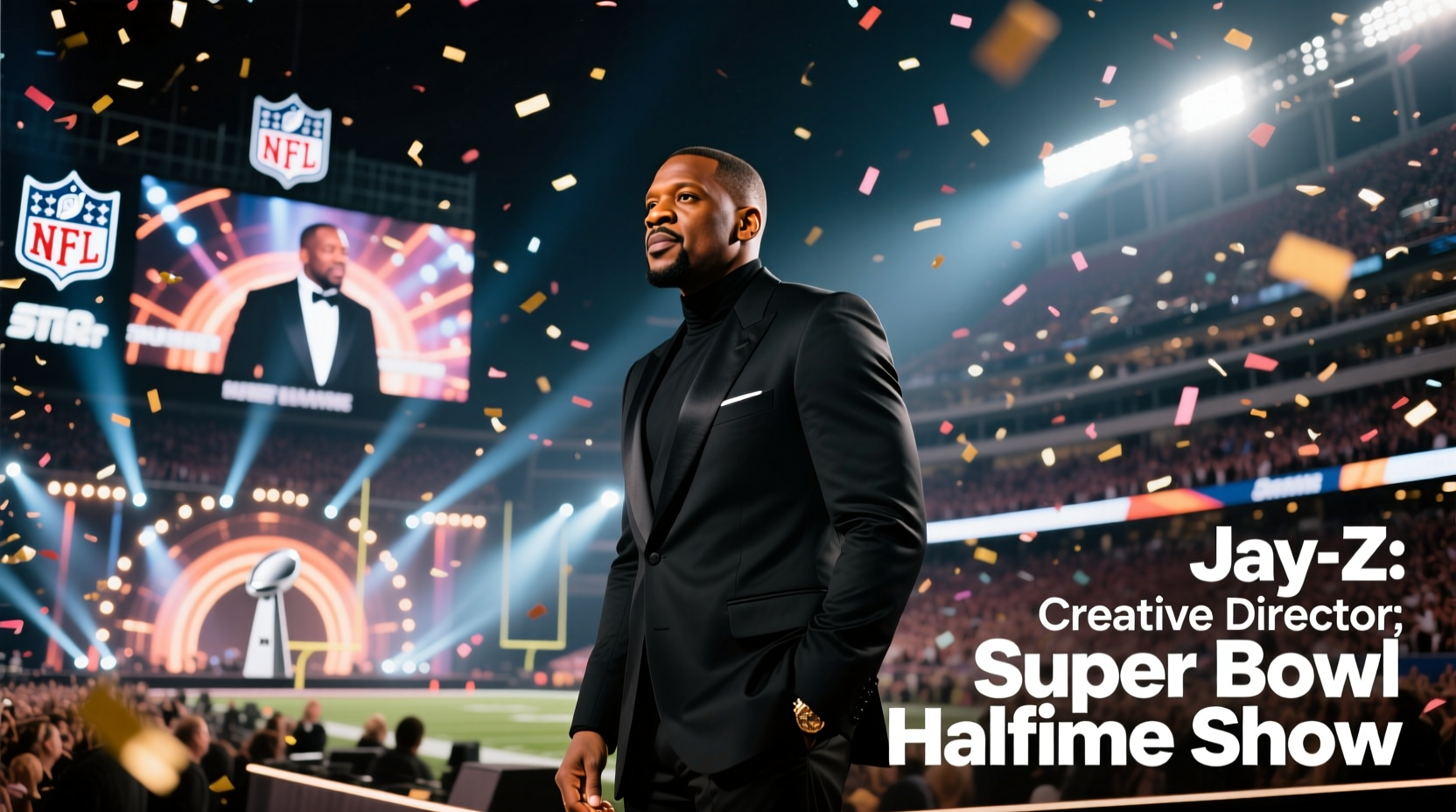
In 2019, the NFL made a surprising move: instead of partnering with traditional entertainment producers or networks, it signed a multi-year agreement with Roc Nation, Jay-Z’s full-service entertainment company. This wasn’t merely about booking talent. The deal positioned Roc Nation as the league’s official live music partner, responsible for curating performances across events—including the Super Bowl halftime show, draft celebrations, and pre-game ceremonies.
This alliance came at a pivotal moment. The NFL had faced intense criticism over its handling of player protests during the national anthem, particularly those led by Colin Kaepernick. Public sentiment was divided, and many Black artists and musicians had distanced themselves from the league. By aligning with Jay-Z—a figure deeply respected in hip-hop and known for both entrepreneurial acumen and cultural advocacy—the NFL signaled a desire to rebuild credibility within communities it had alienated.
Tip: Jay-Z didn’t just accept a paycheck—he leveraged the partnership to demand creative control, diversity in bookings, and equity in representation.Cultural Credibility Meets Corporate Power
Jay-Z’s appointment as the de facto overseer of the halftime show stems from more than fame. It reflects a broader shift in how institutions engage with culture. He brings three key assets to the table:
- Unmatched industry influence: As a rapper, label owner, and co-founder of streaming service Tidal, Jay-Z has shaped music trends for over two decades.
- Proven event curation: Through Roc Nation, he has managed tours for Beyoncé, Rihanna, and J. Cole, demonstrating an ability to deliver large-scale, high-impact productions.
- Social capital: His status as a Black billionaire who rose from Brooklyn housing projects gives him symbolic weight in conversations about race, success, and access.
As one entertainment executive put it:
“Jay-Z doesn’t need the NFL. The NFL needs him. That imbalance of power is exactly what makes the partnership work.” — Marcus Bell, Music Industry Analyst
Behind the Scenes: What Jay-Z Actually Does
While Jay-Z doesn’t book every act personally, his role involves setting the vision, approving headliners, and ensuring alignment with Roc Nation’s ethos: inclusion, innovation, and impact. He works closely with the NFL’s entertainment team and production partners like Jesse Collins Entertainment to shape each year’s show.
His influence became evident immediately. The 2022 Super Bowl halftime featured a historic all-Latino lineup: Dr. Dre, Snoop Dogg, Eminem, Mary J. Blige, and Kendrick Lamar—with surprise appearances by 50 Cent and Anderson .Paak. It was widely praised for celebrating West Coast hip-hop and urban culture on a global stage. Notably, the performance included subtle nods to social justice, such as Kendrick removing his shirt to reveal a prison jumpsuit bearing the number “187,” California’s penal code for murder—a reference to systemic violence and incarceration.
This kind of messaging would have been unlikely under previous regimes. But under Jay-Z’s guidance, the NFL has allowed space for artistry with edge.
Timeline: How Jay-Z Took the Helm
- 2016: Colin Kaepernick begins kneeling during the national anthem; backlash ensues.
- 2018: Multiple major artists decline Super Bowl offers in solidarity with Kaepernick.
- 2019, April: NFL names Roc Nation its official live music partner; Jay-Z confirmed as executive producer.
- 2020: Shakira and Jennifer Lopez headline Super Bowl LIV—Roc Nation consults on casting.
- 2022: Historic hip-hop-focused halftime show curated under Roc Nation’s leadership.
- 2023–2024: Continued emphasis on diverse genres, including R&B, reggaeton, and rock fusion.
Redefining Representation: Who Gets the Spotlight?
One of Jay-Z’s most significant contributions has been expanding who is seen on the field. Before the Roc Nation era, halftime performers were predominantly white pop stars or legacy rock acts. Now, the roster includes more Black artists, women of color, LGBTQ+ performers, and international acts.
| Era | Typical Headliners | Diversity Index (Estimated) |
|---|---|---|
| Pre-2019 | Maroon 5, Justin Timberlake, Coldplay | Low – moderate |
| Post-Roc Nation (2020–Present) | Beyoncé (indirect), Dr. Dre, Rihanna, Usher | High |
The 2023 show starring Rihanna—performed while she was pregnant—was another milestone. It highlighted female empowerment, body positivity, and resilience. While not officially billed as a Roc Nation production, insiders confirm Jay-Z played a behind-the-scenes advisory role in encouraging her return to the stage.
Mini Case Study: The 2022 Hip-Hop Tribute
The 2022 halftime show is often cited as a turning point. For the first time, hip-hop was not just included—it was centered. Dr. Dre opened with “The Next Episode,” launching a 13-minute journey through G-funk, gangsta rap, and conscious lyricism. Snoop Dogg floated above the stadium in a translucent bubble. Eminem knelt briefly during “Lose Yourself,” echoing Kaepernick’s protest gesture.
Despite being non-performing, Jay-Z was deeply involved in concept development. Sources say he insisted on honoring regional styles and giving platform to underrepresented voices, including female MCs in rehearsal footage released later. The result? Over 100 million viewers, widespread critical acclaim, and a renewed sense of legitimacy for hip-hop as America’s dominant cultural export.
Do’s and Don’ts of Halftime Show Curation
| Do | Don’t |
|---|---|
| Feature artists with cultural significance, not just chart-toppers | Book acts solely for commercial appeal without artistic depth |
| Include diverse genres and generations | Ignore rising movements like Afrobeats or Latin trap |
| Allow room for subtle political expression | Censor performers or sanitize their message |
Frequently Asked Questions
Does Jay-Z perform in the halftime show every year?
No. Jay-Z does not perform annually. His role is primarily executive—he oversees selection, production themes, and artist relations. He last performed at the Super Bowl in 2004 alongside Beyoncé and Alicia Keys.
Can other artists refuse to participate even with Jay-Z involved?
Yes. Participation remains voluntary. However, many artists now view the halftime show differently because of Jay-Z’s involvement. As Questlove noted, “Having someone you trust in the room changes everything.” Some still decline due to personal principles, but the stigma has lessened.
Is Jay-Z paid by the NFL?
While exact figures are undisclosed, Roc Nation receives a substantial annual fee from the NFL for its consulting and curation services. Jay-Z himself likely benefits through profit-sharing and increased brand value, though he has stated the partnership is “bigger than money.”
Conclusion: A New Era of Influence
Jay-Z’s role in the Super Bowl halftime show isn’t about ego or celebrity. It’s about recalibrating power. By placing a Black cultural architect at the center of one of America’s most-watched events, the NFL acknowledges that true relevance comes not from controlling culture—but from collaborating with those who define it.
His leadership has proven that entertainment can be both mass-appeal and meaningful. It can celebrate heritage, provoke thought, and still deliver flawless production. More importantly, it shows that when institutions listen to the communities they’ve marginalized, transformation becomes possible.
🚀 What do you think about Jay-Z shaping the Super Bowl’s future? Share your thoughts online and join the conversation about music, power, and progress in modern sports.








