
Poison ivy is one of the most common causes of allergic contact dermatitis in North America. Each year, millions of people encounter the plant—often without realizing it—and develop an itchy, blistering rash. A particularly concerning symptom for many is weeping: clear or yellowish fluid oozing from the affected skin. While alarming in appearance, this fluid is not contagious and does not spread the rash. Understanding why poison ivy rashes weep and how to manage them properly can reduce discomfort, speed healing, and prevent secondary infections.
The Science Behind the Weeping Rash
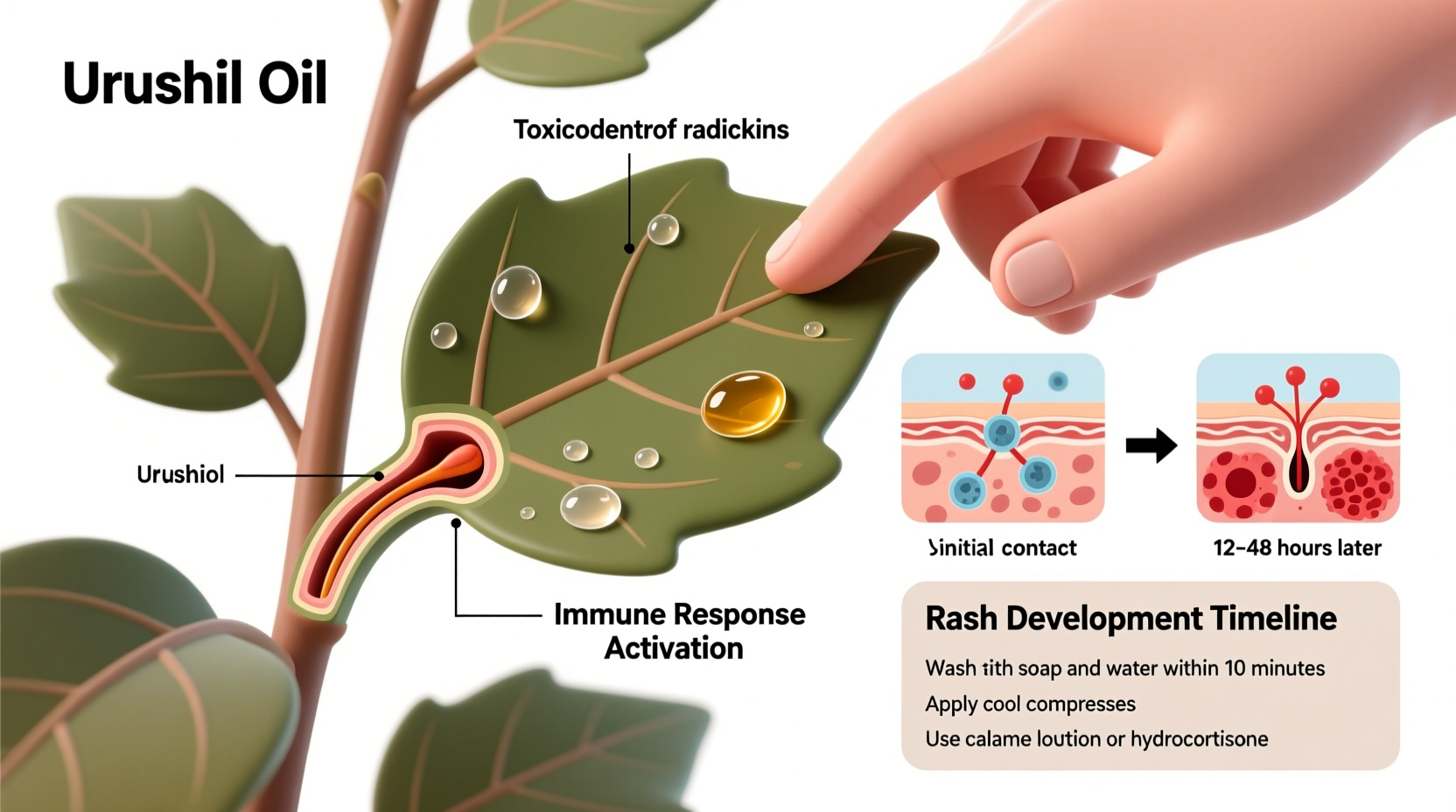
The weeping associated with poison ivy is a natural part of the body’s inflammatory response. When urushiol—the oily resin found in poison ivy, oak, and sumac—comes into contact with the skin, it binds to proteins in the epidermis and triggers an immune reaction. This leads to the activation of T-cells, which attack the affected skin cells, resulting in inflammation, redness, swelling, and blister formation.
Blisters form as the body attempts to isolate and protect damaged tissue. The fluid inside these blisters, called serum, is a component of blood plasma that leaks out due to increased permeability of blood vessels during inflammation. When blisters rupture—either naturally or from scratching—this fluid escapes, causing the characteristic \"weeping\" appearance.
“Oozing is not a sign of infection in itself, but rather the body’s way of responding to injury caused by an allergic reaction.” — Dr. Laura Nguyen, Dermatologist and Allergy Specialist
It's crucial to understand that the fluid does not contain urushiol once the initial exposure has passed. Therefore, touching the weeping areas will not spread the rash to other parts of the body or to other people—unless residual oil remains on hands, clothing, or tools.
Stages of a Poison Ivy Rash and When Weeping Occurs
A typical poison ivy rash progresses through several stages, each with distinct symptoms:
- Exposure (0–15 minutes): Contact with urushiol occurs. The oil begins binding to skin cells within minutes.
- Latency (12–72 hours): No visible symptoms yet, though sensitization is underway.
- Onset (Day 2–3): Redness, itching, and swelling appear at the contact site.
- Peak (Days 4–7): Blisters form and may begin to weep. This is the most uncomfortable phase.
- Healing (Days 8–21): Blisters dry up, scabs form, and peeling begins. Itching subsides.
Weeping typically starts during the peak phase when blisters are most numerous and fragile. The duration and severity depend on the amount of urushiol exposure, individual sensitivity, and whether the skin was cleaned promptly after contact.
Tip: Wash exposed skin with soap and cool water within 10–30 minutes of contact to remove up to 90% of urushiol and potentially prevent or minimize the rash.Treatment Options for Weeping Rashes
While there is no cure for poison ivy, treatment focuses on relieving symptoms, preventing infection, and supporting skin recovery. For weeping rashes, gentle care is essential to avoid worsening irritation or introducing bacteria.
Home Remedies and Over-the-Counter Care
- Cool compresses: Apply a clean cloth soaked in cold water for 15–20 minutes several times daily to reduce oozing and soothe itching.
- Calamine lotion or oatmeal baths: These help dry weeping lesions and provide itch relief.
- Topical hydrocortisone cream: Use 1% over-the-counter cream to reduce inflammation, especially in mild cases.
- Oral antihistamines: Diphenhydramine (Benadryl) or cetirizine (Zyrtec) can help control nighttime itching, though they don’t stop the rash progression.
Avoid using alcohol-based solutions or harsh soaps on weeping skin—they can increase irritation and delay healing.
When to Seek Medical Treatment
Prescription interventions may be necessary if the rash is severe, widespread, or affects sensitive areas like the face or genitals. Doctors may prescribe:
- Stronger topical or oral corticosteroids (e.g., prednisone)
- Antibiotics if signs of bacterial infection appear (increased redness, pus, fever)
- Wound dressings for large, open blisters
Do’s and Don’ts: Managing a Weeping Poison Ivy Rash
| Do’s | Don’ts |
|---|---|
| Wash the area gently with mild soap and water | Scratch or pop blisters |
| Use cool compresses to reduce oozing | Apply topical antibiotics like Neosporin (can cause allergic reactions) |
| Keep nails short to minimize skin damage | Use hot water on the rash (increases itching) |
| Wear loose, breathable clothing | Share towels, clothing, or bedding without washing |
| Wash all contaminated items in hot water | Assume the fluid spreads the rash |
Real-World Example: Hiker’s Recovery After Trail Exposure
Mark, an experienced hiker, brushed against dense foliage during a weekend trek in the Appalachian foothills. He didn’t see any plants he recognized as poison ivy but developed intense itching on his legs two days later. By day five, raised red streaks with weeping blisters appeared.
Initially alarmed by the oozing, Mark avoided treatment, fearing he would spread the rash. After consulting a nurse hotline, he learned the fluid wasn’t contagious. He began using cool compresses, calamine lotion, and wore cotton pants to reduce friction. He also washed his hiking clothes and boots with degreasing soap to remove residual urushiol.
Within 10 days, the weeping stopped, scabs formed, and itching faded. His recovery was smooth because he avoided scratching and maintained cleanliness—key factors in preventing infection.
Prevention Checklist
Preventing exposure is the best defense. Follow this checklist to reduce risk:
- ✅ Learn to identify poison ivy: “Leaves of three, let it be” – shiny green leaves in clusters of three
- ✅ Wear long sleeves, pants, and gloves when gardening or hiking in wooded areas
- ✅ Wash skin immediately after suspected exposure
- ✅ Clean tools, pet fur, and outdoor gear with rubbing alcohol or specialized wipes
- ✅ Use barrier creams containing bentoquatam (IvyBlock) before outdoor activities
Frequently Asked Questions
Does weeping mean my poison ivy rash is infected?
Not necessarily. Weeping is a normal part of the blistering process. However, if the fluid becomes thick, yellow-green, or foul-smelling, or if you develop fever and increasing pain, infection may be present. Consult a healthcare provider.
Can I go swimming with a weeping poison ivy rash?
It’s best to avoid swimming pools, lakes, or hot tubs until the rash has dried. Prolonged moisture can soften skin and increase infection risk. Additionally, while the rash itself isn’t contagious, urushiol residue on your skin could potentially contaminate shared surfaces.
How long will the weeping last?
Weeping usually lasts 3–7 days, depending on severity. Once new blister formation stops, existing ones will dry and crust over. Full healing typically takes 2–3 weeks.
Conclusion: Take Control of Your Recovery
A weeping poison ivy rash, while unsettling, is a manageable condition rooted in your body’s immune response—not contagion or poor hygiene. By understanding the biology behind the oozing, applying appropriate treatments, and avoiding common mistakes, you can significantly reduce discomfort and recovery time. Most importantly, remember that healing begins with action: clean the skin early, protect broken blisters, and resist the urge to scratch.
💬 Have experience managing a severe poison ivy reaction? Share your tips in the comments to help others navigate their recovery with confidence.








