Laughter is one of life’s most natural pleasures—light, joyful, and often contagious. But for some, a good belly laugh comes with an unexpected side effect: a sudden tickling sensation in the back of the throat. It might feel like a light brush against sensitive tissue or even trigger a coughing fit mid-laugh. While this experience is common, it can be puzzling. What causes it? Is it normal? And under what circumstances should you take it seriously?
This article explores the anatomy and physiology behind laughter-induced throat tickles, identifies common and less common causes, and provides practical guidance on when it's harmless—and when it may signal an underlying issue worth discussing with a healthcare provider.
The Mechanics of Laughter and Throat Sensitivity
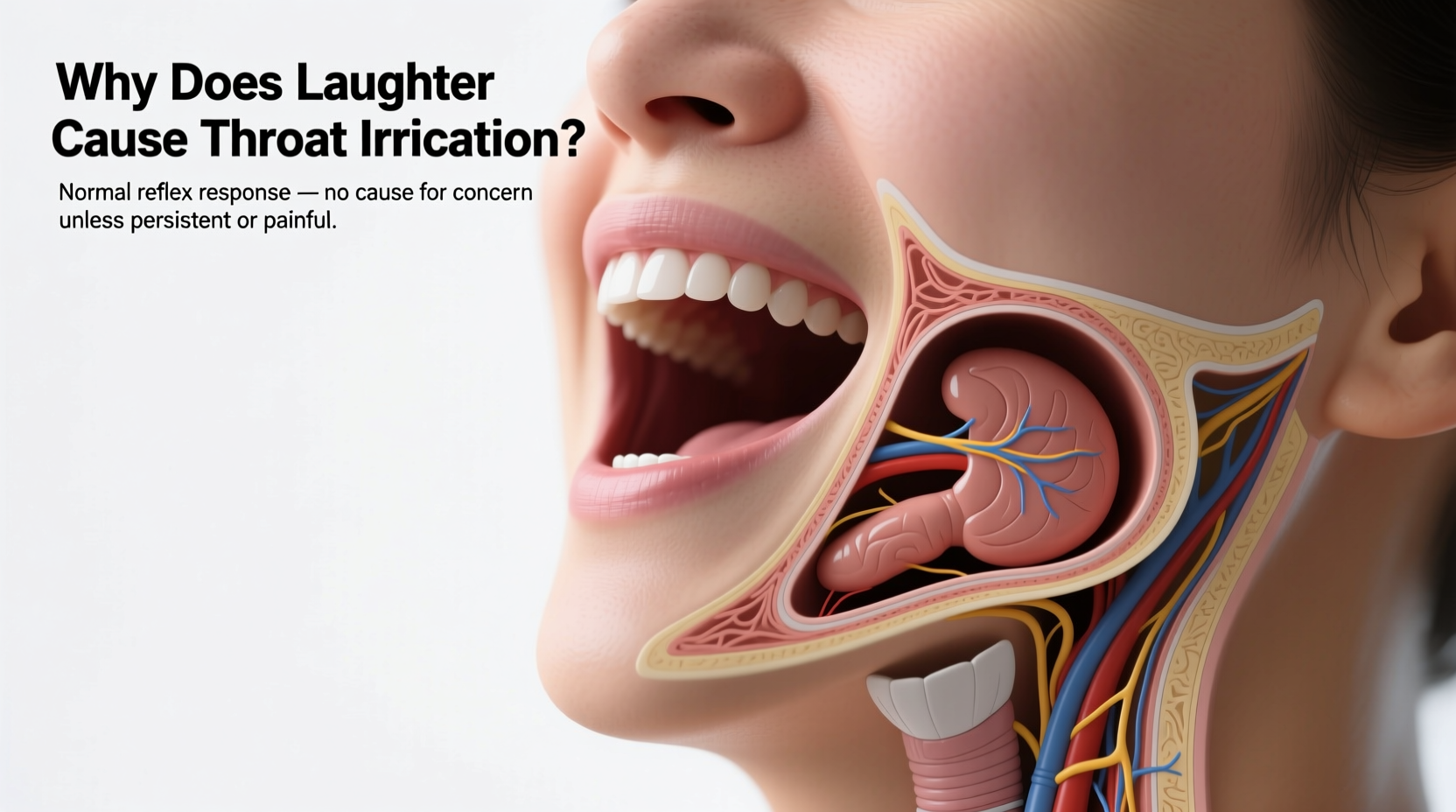
Laughter isn’t just emotional expression—it’s a complex physical act involving multiple muscle groups, nerves, and respiratory functions. When you laugh, especially deeply or forcefully, your diaphragm contracts rapidly, your vocal cords vibrate, and air rushes through your larynx and trachea at high speed. This rapid airflow can stimulate nerve endings in the upper airway, particularly in the posterior pharyngeal wall—the back of your throat.
The vagus nerve (cranial nerve X) plays a central role here. It runs from the brainstem down through the neck and into the chest and abdomen, innervating structures involved in breathing, swallowing, and vocalization. Because it’s highly sensitive, any sudden movement or dryness in the throat during intense laughter can activate its sensory branches, leading to that familiar tickling sensation.
In many cases, this response is entirely benign. Think of it as your body’s way of registering stimulation in a region packed with nerve endings. Just as touching the sole of your foot might make you flinch, a burst of air across the throat can trigger a similar reflexive awareness.
Tip: Staying well-hydrated helps maintain mucosal moisture in the throat, reducing sensitivity during episodes of heavy laughter.Common Causes of a Tickling Throat During Laughter
Several everyday factors can heighten throat sensitivity and contribute to the tickling feeling when laughing hard. Most are temporary and easily managed.
- Dry Air: Low humidity, especially in heated or air-conditioned environments, dries out the mucous membranes lining the throat. Dry tissues are more prone to irritation from rapid airflow.
- Allergies: Postnasal drip from seasonal allergies or environmental allergens can coat the back of the throat with mucus, creating a constant low-level irritation that intensifies during laughter.
- Acid Reflux (GERD): Even mild, undiagnosed gastroesophageal reflux can cause acid to creep up the esophagus overnight, irritating the throat. This makes the area hyper-sensitive, especially when stimulated by forceful exhalation.
- Vocal Strain: People who talk, sing, or laugh frequently—such as teachers, performers, or social professionals—may develop subtle inflammation in the larynx, increasing reactivity.
- Dehydration: Not drinking enough water thickens saliva and reduces protective lubrication in the throat, making nerve endings more exposed.
These conditions don’t necessarily mean something is wrong—they simply lower your threshold for throat sensations. Addressing them often resolves the tickle without medical intervention.
When a Laugh-Induced Throat Tickler Might Signal Something More Serious
While occasional throat tickling during laughter is normal, persistent or worsening symptoms could point to underlying health concerns. Be mindful of accompanying signs that suggest it's time to consult a doctor.
One condition to consider is vocal cord dysfunction (VCD), where the vocal cords close abnormally during breathing—especially during exertion or emotional states like laughter. This can create a sensation of tightness, tickling, or even choking. Unlike asthma, VCD doesn't involve airway constriction due to inflammation but rather a misfiring of neuromuscular control.
Another possibility is chronic pharyngitis—long-term inflammation of the throat—often caused by repeated exposure to irritants like smoke, pollution, or frequent viral infections. In such cases, the throat remains hypersensitive even after the initial cause has passed.
“Recurrent throat irritation during laughter, especially if associated with coughing or shortness of breath, warrants evaluation to rule out neurological or inflammatory conditions.” — Dr. Lena Patel, Otolaryngologist, Cleveland Clinic
Rarely, neurological disorders affecting cranial nerves—including the vagus—can manifest with unusual sensory responses in the throat. Conditions like vagus nerve hypersensitivity or early-stage neuropathies may present with exaggerated reactions to stimuli such as laughter, swallowing, or even cold drinks.
Red Flags That Warrant Medical Attention
If your throat tickle is accompanied by any of the following, schedule an appointment with an ENT specialist:
- Frequent coughing fits triggered solely by laughter
- Shortness of breath or wheezing after laughing
- Pain or burning in the throat unrelated to illness
- Hoarseness lasting more than two weeks
- Swallowing difficulties or a sensation of a lump in the throat (globus pharyngeus)
- Nighttime awakenings due to throat irritation or coughing
Step-by-Step Guide to Managing and Reducing Throat Tickles
If your throat tickles when you laugh but you’ve ruled out serious causes, there are several steps you can take to reduce discomfort and improve throat resilience.
- Hydrate Consistently: Aim for 6–8 glasses of water daily. Hydration keeps mucosal linings moist and less reactive.
- Use a Humidifier: Especially in winter or dry climates, adding moisture to bedroom air prevents overnight drying of the throat.
- Manage Allergies: If postnasal drip is suspected, try antihistamines or nasal saline sprays. Identify and avoid allergens like dust, pet dander, or pollen.
- Treat Acid Reflux: Avoid eating within three hours of bedtime, elevate your head while sleeping, and limit acidic or spicy foods. Over-the-counter proton pump inhibitors (PPIs) may help if symptoms persist.
- Practice Diaphragmatic Breathing: Learning controlled breathing techniques can stabilize airflow during laughter and reduce sudden throat stimulation.
- Avoid Irritants: Steer clear of cigarette smoke, strong perfumes, and chemical fumes that aggravate throat tissue.
- Rest Your Voice: Give your vocal cords a break after prolonged talking or laughing to prevent micro-inflammation.
Checklist: Assessing Your Throat Tickling Episodes
Use this checklist to evaluate whether your symptoms are likely benign or require further investigation:
| Factor | Benign Sign | Potential Concern |
|---|---|---|
| Frequency | Only during intense laughter | Occurs daily, even at rest |
| Duration | Lasts seconds to a minute | Persists for minutes or recurs frequently |
| Associated Symptoms | None or mild cough | Wheezing, pain, hoarseness, difficulty breathing |
| Triggers | Only laughter or cold air | Also triggered by speaking, eating, or lying down |
| Response to Hydration | Improves with fluids | No improvement despite hydration |
Real-Life Example: Sarah’s Story
Sarah, a 34-year-old teacher and mother of two, noticed that her throat began tickling intensely every time she laughed with friends. At first, she dismissed it as quirky—but over months, it escalated. She started avoiding jokes or group laughter, worried she’d trigger a coughing fit. One evening, after a movie night, she struggled to catch her breath post-laughter and felt a tightness in her chest.
She consulted an ENT specialist, who diagnosed her with mild vocal cord dysfunction exacerbated by undiagnosed acid reflux. With lifestyle changes—elevating her bed, eliminating late-night meals, and practicing breathing exercises—her symptoms improved dramatically within six weeks. “I didn’t realize how much anxiety the tickle was causing,” she said. “Now I laugh freely again.”
Frequently Asked Questions
Can laughing too hard damage your throat?
It’s extremely rare for laughter alone to cause physical damage. However, excessive or forceful laughing—especially if you're dehydrated or have pre-existing throat inflammation—can lead to temporary strain or soreness. Persistent pain or voice changes should be evaluated.
Is a tickling throat related to asthma?
Not directly, but the two can coexist. Some people with asthma experience coughing during laughter due to airway sensitivity. However, if wheezing or chest tightness follows laughter, it’s important to distinguish between asthma and vocal cord dysfunction, which mimics asthma but requires different treatment.
Why do children seem to laugh without throat issues, but adults notice them more?
Children generally have more resilient mucosal linings and higher hydration levels. As we age, our bodies produce less saliva, and cumulative exposure to irritants (like pollution or voice use) increases throat sensitivity. Adults also tend to spend more time in dry indoor environments, compounding the effect.
Conclusion: Listen to Your Body, But Don’t Panic
A tickling throat when you laugh hard is usually nothing to fear. It’s often the result of normal anatomical sensitivity amplified by dryness, allergies, or minor irritation. Simple lifestyle adjustments—staying hydrated, managing reflux, and improving air quality—can make a significant difference.
But your body sends signals for a reason. If the tickle becomes persistent, painful, or disruptive to your daily life, don’t dismiss it. Early evaluation can uncover manageable conditions like acid reflux, allergies, or vocal cord dysfunction before they worsen.
Laughter should be liberating, not limiting. By understanding your body’s responses and taking proactive care of your throat health, you can keep enjoying life’s joyful moments—fully, freely, and without hesitation.
💬 Have you experienced a tickling throat when laughing? Share your story or tips in the comments—your insight could help someone else feel less alone.








