If you’ve noticed persistent pimples forming along your jawline—especially around your chin and lower cheeks—you’re not alone. Jawline acne is one of the most common yet misunderstood forms of adult breakouts. Unlike teenage forehead or nose acne, jawline breakouts often resist traditional spot treatments and seem to flare up cyclically, particularly before menstruation. This pattern suggests deeper internal imbalances rather than surface-level dirt or oil.
The good news? Jawline acne can be addressed effectively—but only when we look beyond topical cleansers and recognize its root causes: hormones, stress, diet, gut health, and even daily habits like phone hygiene. A holistic approach doesn’t just mask symptoms; it targets the underlying systems that contribute to inflammation and clogged pores in this specific area.
Anatomy of Jawline Acne: Why This Area Is Vulnerable
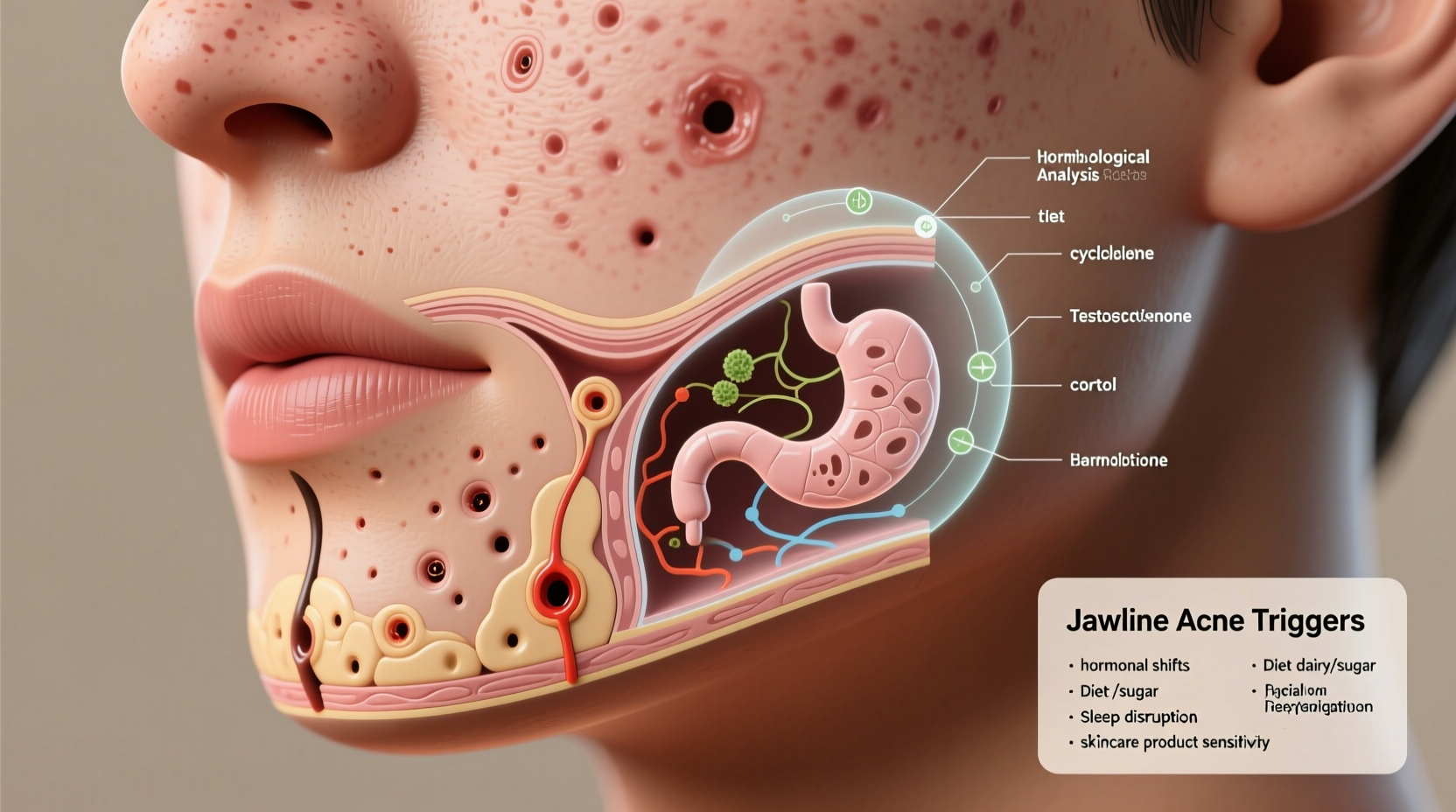
The jawline sits within what dermatologists call the \"hormonal acne zone\"—a region rich in sebaceous (oil) glands influenced heavily by androgens like testosterone. Even small fluctuations in hormone levels can trigger excess sebum production here, creating a breeding ground for acne-causing bacteria (*Cutibacterium acnes*).
Unlike inflammatory acne caused by external irritants (e.g., makeup or sweat), jawline breakouts are often deep, painful cysts or nodules beneath the skin’s surface. These develop slowly and heal slowly, making them more likely to leave post-inflammatory hyperpigmentation or scarring if not managed properly.
Additionally, the jawline is frequently exposed to friction and contamination from everyday items: smartphones, pillowcases, hands, and hair products. While these don’t initiate hormonal acne, they can worsen existing conditions by introducing bacteria or irritating inflamed tissue.
“Jawline acne is rarely about poor hygiene. It's usually a sign of internal imbalance—most commonly hormonal dysregulation.” — Dr. Lena Patel, Integrative Dermatologist
Hormones and the Hidden Triggers Behind Breakouts
The primary driver of jawline acne in adults—particularly women—is hormonal fluctuation. The menstrual cycle, polycystic ovary syndrome (PCOS), perimenopause, thyroid dysfunction, and chronic stress all influence androgen activity, which directly affects oil production in the skin.
During the luteal phase (the week before menstruation), progesterone drops while androgens remain relatively stable. This creates a temporary hormonal imbalance that increases sebum output. For many, this translates into predictable monthly breakouts along the jaw and chin.
Conditions like PCOS amplify this effect due to elevated insulin and androgen levels. Insulin resistance leads to higher testosterone, which stimulates oil glands and thickens the skin’s outer layer—both contributing to clogged pores.
Tip: Track your breakouts alongside your menstrual cycle for at least two months. If pimples consistently appear 3–7 days before your period, hormonal involvement is highly likely.Diet and Gut Health: The Internal Connection
Your gut microbiome plays a surprising role in skin clarity. An imbalance known as *dysbiosis*—an overgrowth of harmful bacteria—can increase systemic inflammation and impair estrogen metabolism. When estrogen isn't efficiently cleared through the liver and intestines, it recirculates, disrupting the estrogen-to-progesterone ratio and indirectly promoting androgen dominance.
High-sugar diets, dairy consumption (especially skim milk), and processed foods have been linked to increased acne severity. Sugar spikes insulin, which boosts IGF-1 (insulin-like growth factor), a hormone that mimics androgen effects on the skin. Dairy contains natural growth hormones that may stimulate oil production, especially in sensitive individuals.
Leaky gut syndrome—a condition where intestinal permeability allows toxins into the bloodstream—also contributes to low-grade inflammation, potentially manifesting as acne in hormonally active zones like the jawline.
Holistic Treatment Framework: Addressing Root Causes
Treating jawline acne holistically means integrating skincare with lifestyle, nutrition, and emotional well-being. Topical treatments alone will fail if internal triggers persist. Here’s a comprehensive strategy to restore balance:
1. Skincare Adjustments: Gentle but Effective
Aggressive scrubbing or harsh benzoyl peroxide can worsen inflammation and damage the skin barrier, leading to more breakouts. Instead, focus on gentle exfoliation and anti-inflammatory ingredients:
- Niacinamide (5%): Reduces sebum production, calms redness, and strengthens the skin barrier.
- Salicylic acid (low concentration): Penetrates oil to unclog pores without excessive drying.
- Zinc-based serums or creams: Possess antimicrobial and anti-inflammatory properties.
- Non-comedogenic moisturizers: Prevent compensatory oil production caused by dehydration.
2. Nutrition for Hormonal Balance
Support your endocrine system with targeted dietary changes:
- Reduce refined sugar and high-glycemic foods: Choose whole grains, legumes, and non-starchy vegetables to stabilize blood sugar.
- Limit dairy intake, especially skim milk, which has been associated with increased acne in multiple studies.
- Increase fiber-rich foods: Flaxseeds, chia seeds, broccoli, and apples aid in estrogen detoxification via bowel elimination.
- Add omega-3 fatty acids: Found in wild-caught fish, walnuts, and algae oil, these reduce systemic inflammation.
- Stay hydrated: Water supports liver function and helps flush metabolic waste.
| Foods to Include | Foods to Limit | Why It Matters |
|---|---|---|
| Cruciferous vegetables (broccoli, kale) | Sugary snacks and drinks | Support liver detox of excess estrogen |
| Probiotic-rich foods (kimchi, sauerkraut) | Skim and low-fat dairy | Improve gut flora; reduce inflammatory triggers |
| Wild salmon, sardines | Processed meats and fried foods | Lower inflammation and support hormone synthesis |
| Pumpkin and sunflower seeds | Alcohol (especially nightly) | Rich in zinc and selenium—key for skin repair and hormone regulation |
3. Stress Management and Sleep Quality
Chronic stress elevates cortisol, which disrupts the hypothalamic-pituitary-adrenal (HPA) axis and indirectly increases androgen production. Poor sleep compounds this issue by reducing insulin sensitivity and slowing cellular repair.
Practices such as mindfulness meditation, diaphragmatic breathing, yoga, and consistent bedtime routines help regulate cortisol rhythms. Even 10 minutes of daily breathwork can significantly reduce perceived stress over time.
“Sleep is non-negotiable for skin healing. During deep sleep, your body repairs tissue, balances hormones, and clears toxins.” — Dr. Arjun Mehta, Functional Medicine Practitioner
Step-by-Step Holistic Action Plan (6-Week Timeline)
Healing jawline acne takes consistency. Follow this gradual, sustainable plan to see meaningful improvement:
- Week 1–2: Assess & Replace
- Track breakouts and menstrual cycle.
- Switch to non-comedogenic skincare and clean phone screen daily.
- Eliminate added sugars and reduce dairy intake.
- Week 3–4: Build Foundations
- Introduce one probiotic food daily (e.g., unsweetened yogurt or fermented vegetables).
- Begin a nightly wind-down routine: no screens 1 hour before bed, warm bath or herbal tea.
- Add leafy greens and fiber to every meal.
- Week 5–6: Optimize & Monitor
- Start gentle movement: walking, stretching, or restorative yoga 4x/week.
- Consider supplement support (after consulting a healthcare provider): zinc, magnesium, omega-3s, or spearmint tea for androgen modulation.
- Re-evaluate skin progress and adjust diet/skincare as needed.
Mini Case Study: Sarah’s Journey to Clear Skin
Sarah, a 29-year-old marketing professional, struggled with recurring jawline cysts for over five years. She tried antibiotics, birth control pills, and prescription retinoids—with temporary relief at best. Breakouts always returned after stopping treatment.
After switching to a holistic approach, she made three key changes: eliminated dairy, started drinking spearmint tea twice daily, and began tracking her cycle. Within eight weeks, her premenstrual breakouts reduced in frequency and severity. By month four, she had gone two full cycles without a single cyst.
Blood work later revealed mild insulin resistance and elevated DHEA-S (an androgen precursor). With guidance from a functional medicine practitioner, she incorporated berberine and inositol supplements, further stabilizing her hormones. Today, Sarah manages her skin with diet, stress tools, and minimal topical care.
Tip: Spearmint tea has been studied for its anti-androgenic effects. Drinking 2 cups daily may help reduce testosterone-related acne in women.Checklist: Your Holistic Jawline Acne Action Plan
Use this checklist weekly to stay on track:
- ☑ Track breakouts and menstrual cycle
- ☑ Clean smartphone and pillowcase twice weekly
- ☑ Eat 5+ servings of vegetables daily
- ☑ Avoid sugar and processed snacks
- ☑ Limit or eliminate dairy products
- ☑ Practice 5–10 minutes of mindful breathing or meditation
- ☑ Sleep at least 7 hours nightly
- ☑ Use gentle, non-irritating skincare products
- ☑ Stay hydrated (aim for 2+ liters of water)
- ☑ Consult a healthcare provider if breakouts persist (rule out PCOS, thyroid issues)
FAQ: Common Questions About Jawline Breakouts
Can birth control help jawline acne?
Yes, certain oral contraceptives containing estrogen and progestin can suppress androgen activity and improve hormonal acne. However, not all birth control is equal—some progestins are more androgenic and may worsen breakouts. Always discuss options with a gynecologist or endocrinologist.
Is jawline acne a sign of PCOS?
It can be—but not always. Persistent jawline acne, especially when accompanied by irregular periods, hair thinning, or excess facial hair, may indicate PCOS. Blood tests measuring testosterone, DHEA-S, insulin, and LH/FSH ratios can help confirm diagnosis.
Should I pop jawline pimples?
No. Cystic acne is deep under the skin and cannot be “drained” safely at home. Picking increases inflammation and risk of scarring. Apply a warm compress and use topical treatments with niacinamide or zinc instead.
Conclusion: Heal From Within, Not Just On the Surface
Jawline acne isn’t a failure of hygiene or willpower—it’s a signal from your body asking for attention. Whether it’s unmanaged stress, dietary triggers, or hormonal shifts, the solution lies in listening closely and responding with compassion and consistency.
A holistic approach empowers you to move beyond quick fixes and build lasting skin resilience. By aligning your lifestyle with your biology, you’re not just clearing your complexion—you’re improving your overall health.
💬 Have you discovered a personal trigger or remedy for jawline acne? Share your experience in the comments—your insight could help someone finally find relief.








