A healthy scalp is essential not only for strong hair but also for confidence and comfort. Yet many people experience an unpleasant odor emanating from their scalp—sometimes without realizing it until someone else mentions it. Unlike body or foot odor, scalp smell can be harder to detect yourself due to proximity and habituation. The good news: scalp odor is usually treatable with the right approach. Understanding the root causes is the first step toward a fresher, healthier head of hair.
What Causes a Smelly Scalp?
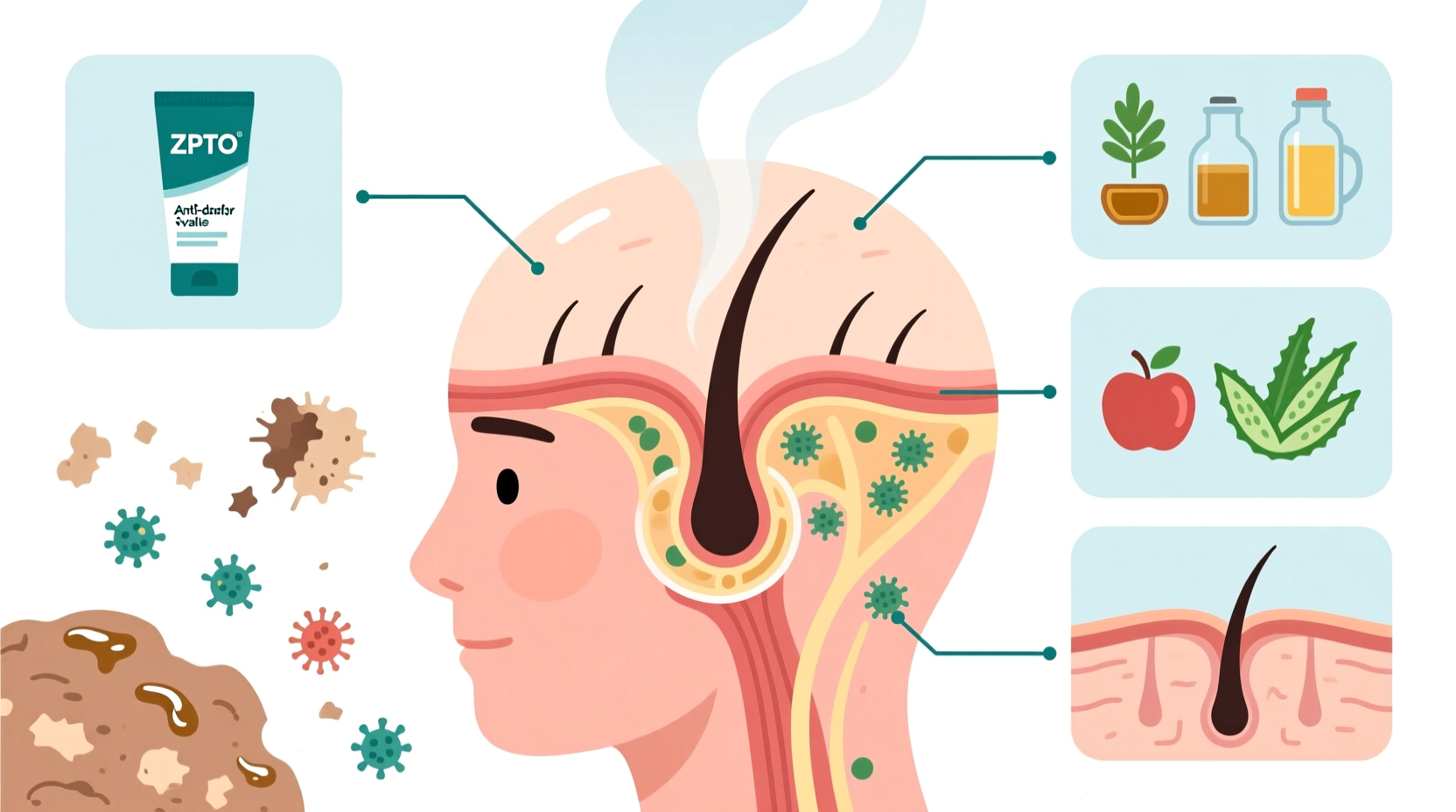
The scalp hosts a complex ecosystem of natural oils, sweat, bacteria, and fungi. When this balance is disrupted, odor can develop. Several factors contribute to an unpleasant scalp smell:
- Excess sebum production: Sebaceous glands produce oil (sebum) to keep the scalp moisturized. Overproduction, often triggered by hormones or stress, creates a greasy environment where odor-causing microbes thrive.
- Bacterial overgrowth: Bacteria like Staphylococcus and Propionibacterium break down sebum and sweat into foul-smelling compounds such as propionic acid.
- Fungal infections: Malassezia, a yeast naturally present on the scalp, can overgrow and cause dandruff, itching, and a musty or sour odor.
- Poor hygiene: Infrequent washing allows buildup of dead skin cells, sweat, and styling products, which decompose and emit odor.
- Diet and lifestyle: Foods high in sulfur (like garlic and onions), alcohol, and processed sugars can alter body chemistry and affect scalp scent.
- Infrequent hat or pillowcase changes: Sweat and oils accumulate on fabrics, transferring bacteria back to the scalp.
Medical Conditions Linked to Scalp Odor
Sometimes, persistent scalp odor signals an underlying condition that requires targeted treatment:
- Seborrheic dermatitis: A chronic inflammatory condition causing flaky, oily patches and redness. Often accompanied by a yeasty smell due to Malassezia overgrowth.
- Scalp folliculitis: Inflammation or infection of hair follicles, commonly caused by bacteria or friction from tight hairstyles. Pus-filled bumps may appear, emitting a foul odor.
- Trichomycosis: A bacterial infection of the hair shaft, typically producing yellow, black, or white concretions on hairs with a strong, musty smell.
- Hidradenitis suppurativa: A rare, chronic skin disease affecting sweat glands, leading to deep abscesses and severe odor in areas including the scalp.
“Persistent scalp odor that doesn’t improve with hygiene should prompt a visit to a dermatologist. It could indicate an infection or inflammatory disorder.” — Dr. Lena Torres, Board-Certified Dermatologist
Effective Treatments and Remedies
Addressing scalp odor involves both immediate action and long-term care strategies. Below are proven solutions categorized by type.
Medicated Shampoos
These target specific microbial causes:
- Ketoconazole (Nizoral): Antifungal; reduces Malassezia overgrowth.
- Pyridinethione zinc (Head & Shoulders): Antibacterial and antifungal; helps control dandruff and odor.
- Selenium sulfide (Selsun Blue): Slows skin cell turnover and kills fungus.
- Salicylic acid (Neutrogena T/Sal): Exfoliates dead skin and unclogs follicles.
- Tea tree oil shampoos: Natural antimicrobial; use 5% concentration for best results.
Natural Home Remedies
Some natural options offer gentle yet effective support:
- Apple cider vinegar rinse: Mix 1 part ACV with 3 parts water. Apply after shampooing to balance pH and reduce bacteria.
- Lemon juice: Citric acid helps cut through oil. Dilute with water and apply briefly before rinsing.
- Aloe vera gel: Soothes inflammation and has mild antibacterial properties.
Step-by-Step Guide to Eliminate Scalp Odor
Follow this 7-day reset plan to tackle scalp odor systematically:
- Day 1: Wash hair with a clarifying shampoo to remove product buildup.
- Day 2: Use a medicated anti-dandruff shampoo (e.g., ketoconazole). Leave on for 5 minutes before rinsing.
- Day 3: Skip washing; allow natural oils to rebalance. Avoid touching scalp with hands.
- Day 4: Apply diluted apple cider vinegar rinse post-shampoo.
- Day 5: Use tea tree oil shampoo if tolerated.
- Day 6: Deep clean hats, scarves, and pillowcases in hot water.
- Day 7: Reassess. If odor persists, schedule a dermatology consultation.
After the initial week, maintain progress with medicated shampoo 1–2 times weekly and regular hygiene habits.
Do’s and Don’ts: Scalp Care Checklist
| Do’s | Don’ts |
|---|---|
| Wash hair every 2–3 days if prone to oiliness | Over-wash daily with harsh sulfates |
| Use lukewarm water to avoid stimulating oil glands | Use very hot water frequently |
| Replace pillowcases and hats weekly | Share combs, brushes, or hair tools |
| Trim hair regularly to reduce product and sweat retention | Leave sweaty hair unwashed for days |
| Stay hydrated and eat a balanced diet rich in omega-3s | Consume excessive alcohol, sugar, or spicy foods |
Real-Life Example: Maria’s Scalp Journey
Maria, a 34-year-old office worker, noticed her coworkers avoiding close conversations. A friend gently mentioned she might want to check her scalp smell. Embarrassed, Maria tried switching shampoos with no success. After two months of worsening flakes and odor, she visited a dermatologist. She was diagnosed with seborrheic dermatitis and prescribed ketoconazole shampoo and a topical corticosteroid solution. Within three weeks of consistent use—and changing her pillowcase every four days—the odor disappeared, and her confidence returned. “I didn’t realize how much it was affecting me socially,” she said. “Now I treat my scalp like I do my face—daily care matters.”
Frequently Asked Questions
Can dry shampoo cause scalp odor?
Yes. While dry shampoo absorbs oil temporarily, frequent use without washing can lead to residue buildup, clogged follicles, and bacterial growth. Use it sparingly and always follow with a thorough wash within 1–2 days.
Is scalp odor related to hair loss?
Not directly, but chronic inflammation from untreated conditions like folliculitis or seborrheic dermatitis can damage hair follicles over time, potentially contributing to thinning. Treating the root cause helps preserve hair health.
How long does it take to eliminate scalp odor?
With proper treatment, most people notice improvement within 1–2 weeks. Full resolution may take 4–6 weeks, especially if a fungal or bacterial infection is involved. Consistency is key.
Final Thoughts and Action Plan
A smelly scalp is more than just a nuisance—it’s a signal from your body that something is out of balance. Whether it’s hygiene, diet, or an underlying condition, identifying the cause empowers you to take control. Start with simple changes: adjust your washing routine, switch to a medicated shampoo, and refresh your hair accessories. Monitor your progress and don’t hesitate to seek professional help if the problem persists.
Healthy hair begins at the root—literally. By treating your scalp with the same care you give the rest of your skin, you’ll not only eliminate odor but also promote stronger, shinier hair and greater self-assurance.
💬 Have you overcome scalp odor? Share your story or tips in the comments—your experience could help someone else find relief.








