
Rabbits are naturally quiet animals, but one sudden sound—a sharp, rhythmic thumping of a hind leg against the ground—can echo through a room late at night and startle even the most prepared owner. This behavior, known as \"foot thumping,\" is a deeply instinctual form of communication in rabbits. While occasional thumping is normal, repeated or nighttime occurrences can raise concerns. Understanding the reasons behind this behavior is essential for ensuring your rabbit’s well-being and maintaining a peaceful household.
Thumping isn’t aggression or mischief—it’s a survival mechanism inherited from wild ancestors. In the wild, rabbits live in open fields and burrows where predators are ever-present. A single thump serves as an alarm signal to other rabbits in the warren, warning them of danger. Even domesticated rabbits retain this reflex, using it to express fear, discomfort, or alertness. When it happens at night, it often reflects disturbances in their environment or internal stress cues that may go unnoticed during the day.
The Science Behind Rabbit Thumping
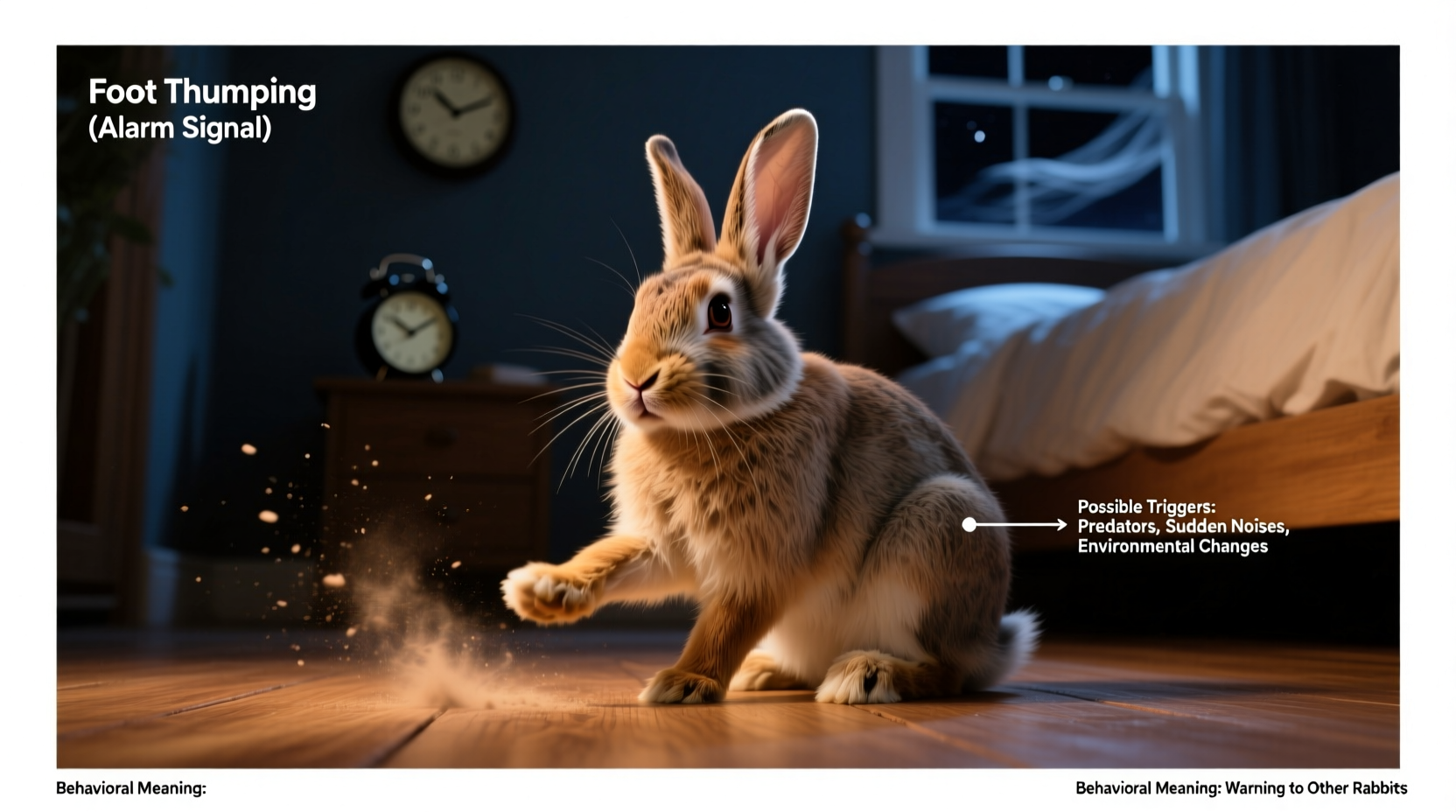
Rabbit thumping is a physical manifestation of the animal’s acute sensory awareness. Their large ears pick up subtle sounds, their eyes detect peripheral movement, and their nervous system reacts swiftly to perceived threats. The act of thumping involves a rapid contraction of the hind leg muscles, creating a percussive sound that travels through the floor or bedding. This vibration-based communication is especially effective in underground burrow systems, where sound carries differently than in open air.
Neurologically, thumping is linked to the rabbit’s fight-or-flight response. When the amygdala—the brain region responsible for processing fear—detects a potential threat, it triggers a cascade of physiological reactions: increased heart rate, muscle tension, and ultimately, the thump. Unlike vocalizations, which many rabbits rarely use, thumping is a silent but powerful way to communicate without drawing attention from predators.
“Thumping is not just noise—it’s a sophisticated social signal rooted in survival. Domestic rabbits haven’t lost this instinct, even in safe environments.” — Dr. Lila Torres, Veterinary Ethologist
Common Reasons for Nighttime Thumping
While thumping can occur at any time, nighttime episodes are particularly noticeable because the house is quiet, and owners are more likely to hear the sound. Below are the most frequent causes:
- Sudden noises: Nocturnal sounds like creaking floors, HVAC systems kicking in, or outdoor animals (raccoons, owls) can trigger a thump.
- Poor lighting changes: Sudden shifts from dark to light (e.g., someone turning on a hallway light) can startle a rabbit.
- Perceived threats: Shadows, reflections, or unfamiliar scents (like new cleaning products) may be interpreted as danger.
- Pain or discomfort: Arthritis, gastrointestinal issues, or dental pain can cause irritability and reactive thumping.
- Lack of routine: Rabbits thrive on predictability. Changes in feeding times or human activity patterns disrupt their sense of safety.
- Loneliness or boredom: Social animals by nature, rabbits may thump out of frustration if isolated at night.
How to Differentiate Normal vs. Problematic Thumping
Not all thumping is cause for concern. Occasional thumps in response to real stimuli are part of natural rabbit behavior. However, persistent or unexplained thumping may indicate underlying issues. Use the following table to assess whether intervention is needed:
| Factor | Normal Thumping | Problematic Thumping |
|---|---|---|
| Frequency | Once or twice per night, tied to a stimulus | Multiple times per hour, ongoing for days |
| Duration | Single thump or short series (2–3 beats) | Repeated sequences lasting minutes |
| Behavior Afterward | Rabbit resumes resting or grooming | Rabbit hides, freezes, or shows signs of distress |
| Triggers | Linked to noise, light, or movement | No obvious cause; occurs in complete stillness |
| Physical Signs | None | Lethargy, hunched posture, teeth grinding |
Step-by-Step Guide to Reducing Nighttime Thumping
If your rabbit thumps frequently at night, follow this structured approach to identify and resolve the cause:
- Monitor and Record: Keep a log for 3–5 nights noting the time, duration, and circumstances of each thump. Include environmental factors like noise, light, and temperature.
- Inspect the Environment: Walk around your rabbit’s space at night with the lights off. Listen for sounds they might hear—refrigerators cycling, pipes knocking, or outside traffic.
- Adjust Lighting: Use dim nightlights instead of bright overhead lights. Avoid sudden illumination near the enclosure.
- Soundproof the Area: Place rugs under cages, use white noise machines, or relocate the hutch away from high-traffic areas.
- Check for Health Issues: Schedule a vet visit to rule out pain-related causes. Gastrointestinal stasis, ear infections, and spinal arthritis are common culprits.
- Enhance Security: Provide a covered hideout or tunnel where your rabbit can feel sheltered. Add soft bedding for comfort.
- Maintain Routine: Feed, interact, and clean at consistent times daily to reduce anxiety.
Real-Life Example: Bella the Rescue Rabbit
Bella, a three-year-old Dutch rabbit adopted from a shelter, began thumping every night shortly after her arrival. Her owner, Maria, initially assumed it was due to adjusting to a new home. But after two weeks of persistent thumping—sometimes up to ten times per night—she consulted a rabbit-savvy veterinarian.
Upon inspection, no medical issues were found. However, the behaviorist observed that Bella’s cage was placed near a window facing a busy alley. At night, passing cars and stray cats triggered her thumping. Additionally, the automatic garage light turned on at midnight, casting a sudden beam across her enclosure.
The solution involved relocating Bella’s pen to a quieter interior room, adding a wooden hide box, and installing blackout curtains. Within four days, the thumping ceased entirely. This case illustrates how environmental stressors—often invisible to humans—can profoundly impact a rabbit’s sense of safety.
When Thumping Signals Pain or Illness
While most thumping is behavioral, it can sometimes be a red flag for health problems. Rabbits are prey animals and instinctively hide pain, making subtle cues like thumping critical indicators. Conditions that may lead to discomfort-related thumping include:
- Gastrointestinal stasis: A life-threatening slowdown of digestion causing abdominal pain.
- Dental disease: Overgrown teeth can cause chronic mouth pain, leading to irritability.
- Arthritis: Especially in older rabbits, joint pain can make movement uncomfortable.
- Respiratory infections: Labored breathing or sinus pressure may increase sensitivity.
If your rabbit thumps while sitting hunched, grinding its teeth (a sign of pain), refusing food, or showing reduced mobility, seek veterinary care immediately. Early diagnosis dramatically improves outcomes, especially for GI issues.
Tip: Learn your rabbit’s normal behavior baseline so you can quickly spot deviations like prolonged thumping or withdrawal.Prevention Checklist: Creating a Calm Nighttime Environment
Use this checklist to minimize nighttime disturbances and support your rabbit’s emotional well-being:
- ✅ Place the enclosure in a quiet, low-traffic area away from appliances and windows.
- ✅ Use a covered hide or igloo-style shelter for added security.
- ✅ Maintain a consistent daily routine for feeding, cleaning, and interaction.
- ✅ Avoid loud noises or sudden movements near the rabbit at night.
- ✅ Provide soft bedding (straw or fleece) to dampen sound and improve comfort.
- ✅ Introduce calming background noise like a fan or soft music.
- ✅ Spend quality time with your rabbit during twilight hours (dawn and dusk), when they are most active.
- ✅ Schedule annual vet checkups with a rabbit-experienced professional.
Frequently Asked Questions
Is it normal for rabbits to thump at night?
Yes, occasional thumping is normal, especially if triggered by a sound or shadow. However, frequent or unexplained thumping should be investigated, as it may indicate stress, pain, or environmental disturbance.
Can rabbits thump in their sleep?
True sleep thumping is rare. What may appear as nocturnal thumping is usually a rabbit waking suddenly in response to a noise or sensation. If your rabbit seems disoriented or thumps repeatedly while drowsy, consult a vet.
Should I respond when my rabbit thumps?
It depends. If the thump is followed by hiding or fear, calmly speak in a soft voice to reassure them—but avoid picking them up unless necessary. Never punish or shout, as this increases anxiety. Instead, identify and remove the trigger if possible.
Conclusion: Listening Beyond the Thump
Your rabbit’s nighttime thump is more than just noise—it’s a message. Whether signaling fear, discomfort, or simple alertness, this behavior invites you to become a more attentive caregiver. By observing patterns, adjusting the environment, and ruling out health concerns, you can transform restless nights into peaceful coexistence.
Rabbits rely on us to interpret their silent language. Every thump is an opportunity to deepen your understanding and strengthen your bond. Take action today: review your rabbit’s surroundings, track their behavior, and consult a specialist if needed. Your efforts won’t just reduce noise—they’ll enhance your rabbit’s quality of life.
💬 Have a story about your rabbit’s thumping habits? Share your experience in the comments—your insight could help another pet owner find peace of mind.








