
Rabbit owners often find themselves puzzled when their pet suddenly lifts a hind leg and forcefully pounds the ground with a loud thump. This behavior—known as foot thumping—is not random. It’s a deeply ingrained form of communication rooted in the animal’s evolutionary survival instincts. While it may seem alarming at first, understanding the reasons behind this action allows caretakers to respond appropriately, strengthen their bond with their pet, and ensure the rabbit feels safe and secure.
In the wild, rabbits are prey animals constantly alert to potential threats. Their survival depends on acute awareness and rapid communication. Thumping is one of the primary ways they signal danger to others in their warren. Even domesticated rabbits retain this instinct, using the thump to express everything from fear and surprise to territorial assertion or even mild irritation. Interpreting these signals correctly is key to providing compassionate care.
The Biology Behind Rabbit Thumping
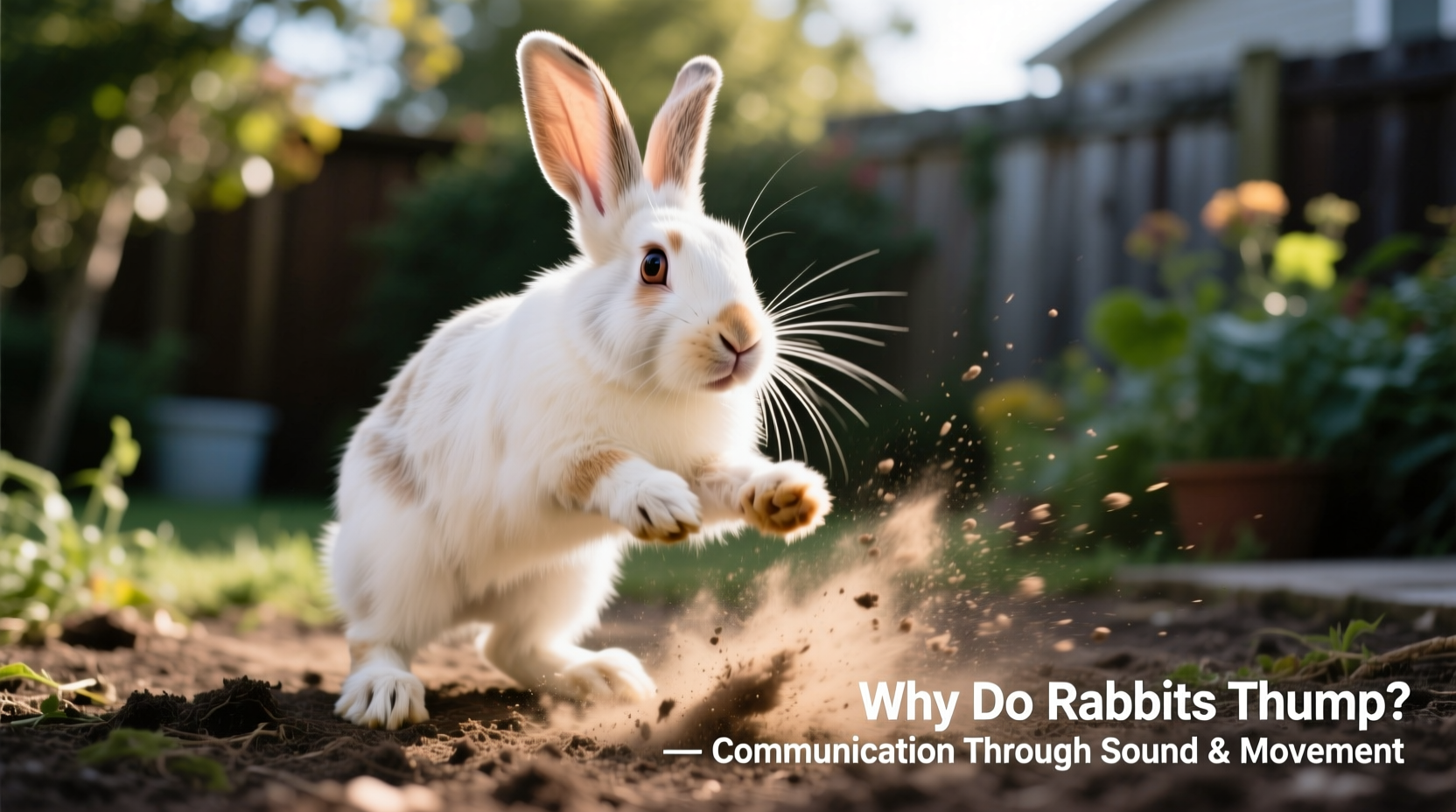
Rabbits possess powerful hind legs designed for swift escape from predators. The same musculature that enables explosive bursts of speed also allows them to deliver sharp, resonant thumps against hard surfaces. When a rabbit thumps, it contracts its large gastrocnemius and soleus muscles in the back legs, driving the heel of the foot into the ground with enough force to produce a noticeable vibration and sound.
This physical capability evolved as an alarm system. In social colonies, one rabbit’s thump can instantly alert others—even those out of sight—to freeze, flee, or take cover. Researchers have observed that the frequency and number of thumps can vary depending on the perceived severity of the threat. A single, isolated thump might indicate mild concern, while repeated, rapid thumping suggests high stress or imminent danger.
“Thumping is a non-vocal communication method that has been preserved through generations because of its effectiveness in group survival.” — Dr. Helen Marczak, Animal Behaviorist and Ethologist
Common Reasons Why Rabbits Thump
While thumping originates as a predator alert mechanism, domestic rabbits use it to communicate a range of emotions and reactions. Understanding context is essential to interpreting the message accurately.
Fear or Perceived Danger
The most frequent cause of thumping is fear. Sudden noises—like a slamming door, loud music, or thunder—can trigger an immediate thump. Similarly, unfamiliar people, pets (especially dogs or cats), or sudden movements may provoke this response. The rabbit isn’t just reacting; it’s attempting to warn others in its environment.
Discomfort or Pain
Thumping can also be a sign of physical discomfort. If a rabbit thumps repeatedly without an obvious external trigger, it may be experiencing pain—such as dental issues, gastrointestinal stasis, or arthritis. Unlike fear-based thumping, which is often acute and situational, pain-related thumping tends to be more persistent and may be accompanied by other signs like reduced appetite, lethargy, or teeth grinding.
Environmental Stressors
Poor housing conditions can lead to chronic stress and increased thumping. Overcrowding, lack of hiding spaces, excessive noise, or improper lighting disrupts a rabbit’s sense of security. In multi-rabbit households, dominant individuals may thump to assert territory or discipline subordinates, especially during feeding times or when space is limited.
Social Communication
Even in peaceful settings, rabbits use thumping socially. A rabbit might thump to get attention from its human companion, especially if it wants food or interaction. Some rabbits learn that thumping results in a response—either movement from the owner or verbal reassurance—and may repeat the behavior intentionally.
Tip: Observe your rabbit’s body language alongside thumping. Ears pinned back, crouched posture, and wide eyes usually indicate fear. Relaxed ears and curious gaze suggest the thump may be attention-seeking.Decoding the Message: Context Matters
Interpreting a rabbit’s thump requires paying attention to timing, frequency, and surrounding cues. A single thump after a loud noise is likely a reflexive alarm. But if the thumping continues, investigate further.
- Time of day: Nocturnal thumping could relate to disturbances during rest periods.
- Location: Thumping near the food bowl might signal impatience or territoriality.
- Other behaviors: Teeth grinding, hunched posture, or refusal to eat may point to health concerns.
- Frequency: Occasional thumping is normal. Frequent or prolonged episodes suggest underlying stress or illness.
A rabbit that thumps every time you walk past its enclosure may feel threatened by your presence or perceive you as encroaching on its space. Conversely, a rabbit that thumps once and then resumes normal activity likely responded to a temporary stimulus and now feels safe.
Mini Case Study: Bella the Nervous Rabbit
Bella, a 2-year-old Holland Lop, was adopted from a shelter and initially settled well into her new home. However, her owner noticed she would frequently thump at night, especially when the furnace turned on. At first, the owner assumed Bella was just adjusting. But when the thumping persisted for weeks and began occurring during the day, a vet visit was scheduled.
No medical issues were found, but the veterinarian suggested environmental enrichment and desensitization techniques. The owner began playing recordings of household sounds at low volume during the day, paired with treats. Over three weeks, Bella’s reactivity decreased significantly. The thumping stopped entirely within a month. This case illustrates how thumping can stem from sensory sensitivity and how gradual habituation can resolve it.
What You Should Do When Your Rabbit Thumps
Reacting appropriately to thumping strengthens trust and reduces anxiety. Here’s a step-by-step approach to managing and responding to this behavior.
- Stay calm. Panicking or reacting loudly reinforces fear. Move slowly and speak softly.
- Identify the trigger. Look around for sudden noises, unfamiliar objects, or other animals nearby.
- Provide reassurance. Sit quietly near the rabbit’s enclosure and speak in a gentle tone. Avoid reaching in unless the rabbit approaches you.
- Remove the threat if possible. Turn off loud appliances, separate from other pets, or close blinds if outdoor animals are visible.
- Monitor for recurrence. If thumping becomes frequent without clear triggers, consult a veterinarian.
| Scenario | Likely Meaning | Recommended Response |
|---|---|---|
| Thump after a loud bang | Fear response to sudden noise | Stay calm, reassure verbally, eliminate noise source |
| Thumping near another rabbit | Territorial display or dominance | Observe interactions; ensure adequate space and resources |
| Repeated thumping with no trigger | Potential pain or chronic stress | Schedule veterinary check-up |
| Thump followed by eating | Mild annoyance or attention-seeking | Ignore if manipulative; reward calm behavior |
| Thumping during handling | Feeling unsafe or restrained | Set down gently; work on trust-building exercises |
Preventing Unnecessary Thumping
While some thumping is natural and healthy, minimizing unnecessary stress helps maintain your rabbit’s emotional well-being. Consider the following checklist to create a calmer environment.
Checklist: Reducing Rabbit Stress & Thumping- ✅ Provide at least two hiding spots per rabbit
- ✅ Use soft flooring (carpet, mats) to dampen thump vibrations and reduce joint strain
- ✅ Maintain consistent daily routines for feeding and cleaning
- ✅ Limit exposure to loud noises and sudden movements
- ✅ Allow supervised free-roam time daily in a safe area
- ✅ Introduce new people or pets gradually
- ✅ Monitor interactions between multiple rabbits for signs of conflict
Enrichment plays a vital role. Rabbits that are mentally stimulated with toys, tunnels, and foraging opportunities are less likely to become anxious or reactive. Rotate chew toys weekly and scatter hay in different areas to encourage natural behaviors.
“Rabbits thrive on predictability. A stable, enriched environment reduces stress-induced behaviors like excessive thumping.” — Dr. Laura Simmons, Exotic Veterinarian
FAQ: Common Questions About Rabbit Thumping
Is foot thumping normal in rabbits?
Yes, foot thumping is a completely normal and natural behavior. All rabbits, regardless of breed or age, are capable of thumping. It becomes a concern only when it occurs excessively or is accompanied by signs of distress or illness.
Can rabbits thump when they’re happy?
Not typically. Thumping is primarily a negative or alert signal. While some rabbits may thump during energetic play, this is rare and usually part of a startle or mock-aggression sequence rather than genuine joy. Happy rabbits tend to binky (jump and twist in the air), groom themselves, or nudge gently for attention.
Should I punish my rabbit for thumping?
No. Punishment increases fear and damages trust. Thumping is a form of expression, not misbehavior. Instead of discouraging the thump itself, address the underlying cause—whether it’s noise, fear, or discomfort.
Conclusion: Listening to Your Rabbit’s Silent Language
Your rabbit’s foot thump is more than a quirky habit—it’s a window into its emotional world. By learning to interpret this behavior with empathy and knowledge, you become a more attuned and effective caregiver. Whether signaling danger, expressing discomfort, or asserting boundaries, each thump carries meaning worth listening to.
Take the time to observe patterns, adjust the environment, and respond with patience. Over time, you’ll notice fewer thumps and more signs of contentment—soft breathing, relaxed ears, and joyful binkies. That shift is the true measure of a trusting, healthy relationship.
💬 Have a story about your rabbit’s thumping behavior? Share your experience in the comments—your insight could help fellow rabbit lovers understand their pets better!








