It’s a moment many pet owners have experienced: you glance over to see your dog or cat fixed in place, eyes locked on an empty stretch of wall with unnerving focus. No sound, no movement—just staring. When this happens once in a while, it might seem quirky or amusing. But if your pet suddenly starts doing this repeatedly, especially alongside other odd behaviors, it could be more than just a quirk. Sudden behavioral shifts like wall-staring often point to underlying physical, neurological, or psychological conditions that warrant attention.
Pets rely on nonverbal cues to communicate, and unusual actions are frequently their way of signaling distress. Unlike humans, they can’t tell us when something feels wrong. Instead, they show it through changes in routine, mood, or interaction. Wall-staring may appear harmless, but combined with lethargy, disorientation, or aggression, it becomes a red flag. Understanding the possible causes—and knowing when to seek help—can make a critical difference in your pet’s long-term well-being.
Common Reasons Pets Stare at Walls
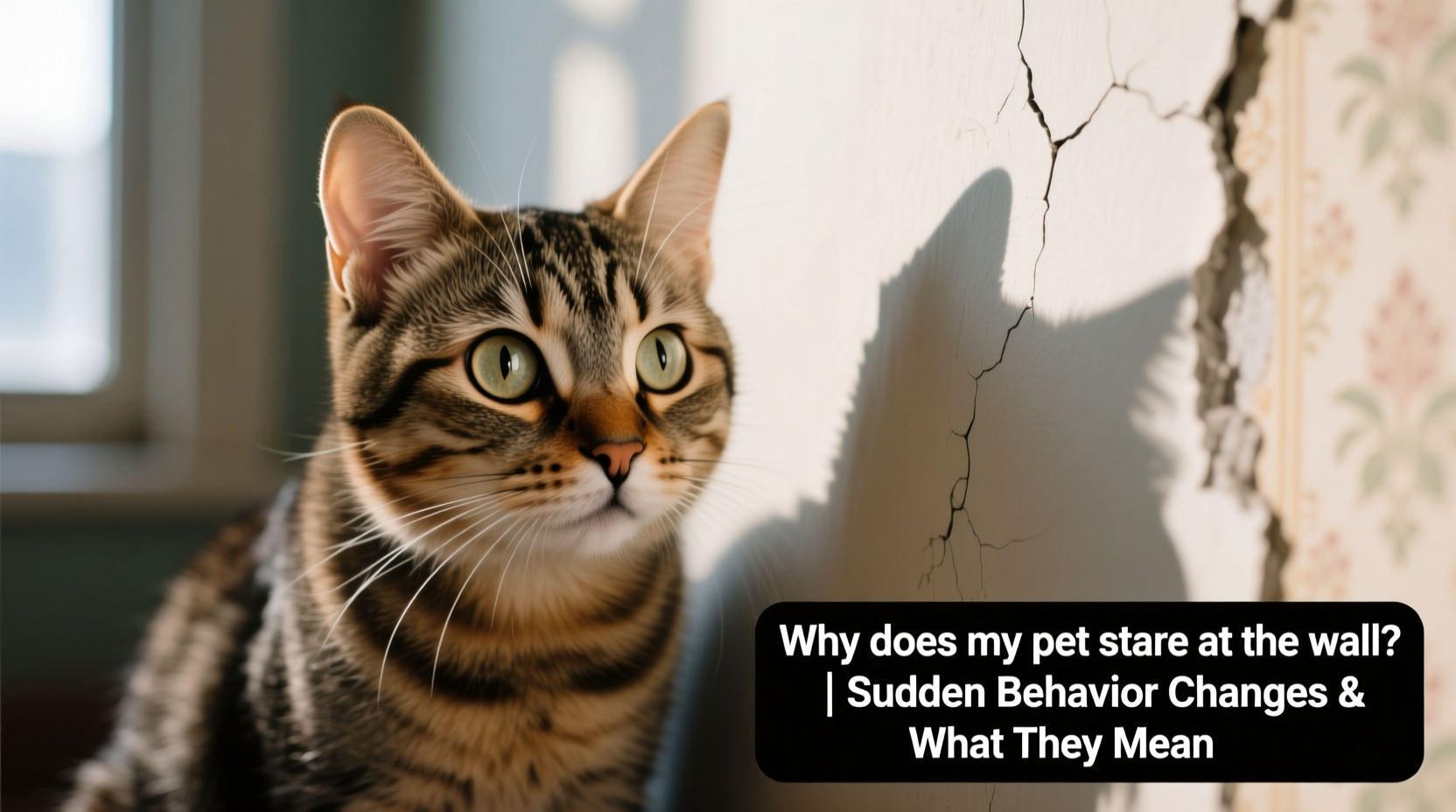
Wall-staring isn't always alarming, but context matters. Occasional glances at shadows or reflections are normal. However, sustained fixation without apparent stimulus suggests deeper issues. Several factors may explain this behavior:
- Neurological disorders: Seizures, particularly partial (focal) seizures, can cause a pet to freeze and stare blankly. These episodes may last seconds to minutes and are often followed by confusion or disorientation.
- Cognitive dysfunction syndrome (CDS): Similar to dementia in humans, CDS affects older pets. Symptoms include aimless wandering, staring into space, forgetting commands, and altered sleep cycles.
- Sensory disturbances: Vision or hearing loss can lead to misinterpretation of environmental stimuli. A flickering light or subtle vibration might capture attention without clear explanation.
- Anxiety or obsessive-compulsive behavior: Stressful environments or trauma can trigger repetitive actions such as tail-chasing, excessive licking, or prolonged staring.
- Vestibular disease: This condition affects balance and spatial orientation, sometimes causing pets to tilt their heads or fixate on walls due to dizziness.
- Toxic exposure: Ingestion of household chemicals, certain plants, or medications can induce hallucinations or altered mental states.
Recognizing Warning Signs Beyond Staring
Isolated staring may not be cause for immediate concern, but when paired with other abrupt changes, it demands investigation. Watch for these accompanying symptoms:
- Sudden aggression or fearfulness toward family members
- Loss of house training (urinating indoors despite prior consistency)
- Changes in appetite or water consumption
- Disorientation—bumping into furniture, getting stuck in corners
- Excessive vocalization, especially at night
- Restlessness or pacing without purpose
- Lethargy or lack of interest in play or food
These signs suggest something is disrupting your pet’s normal cognitive or physiological function. The combination of wall-staring and nighttime howling, for example, is commonly reported in aging dogs with cognitive decline. Similarly, a cat that begins hiding more and staring at ceilings may be experiencing pain or auditory hallucinations linked to high blood pressure or kidney disease.
“Persistent staring episodes, especially those lasting longer than a minute or occurring multiple times a day, should never be dismissed as ‘quirks.’ They can indicate seizure activity or early-stage brain pathology.” — Dr. Lena Patel, Veterinary Neurologist, UC Davis School of Veterinary Medicine
Step-by-Step: What to Do When Behavior Changes Suddenly
If your pet exhibits unexplained staring or other abrupt behavioral shifts, follow this timeline to ensure timely and effective intervention:
- Observe and document: Note the time, duration, frequency, and any triggers (e.g., loud noises, specific rooms). Keep a journal for at least one week.
- Record video evidence: Use your phone to capture an episode. Include full-body footage to show posture, eye movement, and responsiveness.
- Check the environment: Rule out external factors like drafts, insect movement, reflections, or ultrasonic devices (e.g., pest repellers).
- Schedule a veterinary exam: Share your notes and video with your vet. Request a full workup including bloodwork, urinalysis, and neurological screening.
- Follow up with specialists if needed: Depending on initial findings, your vet may refer you to a veterinary neurologist or behaviorist for advanced imaging (MRI/CT) or behavioral assessment.
- Implement treatment plan: Whether medication, environmental enrichment, or dietary changes, consistency is key. Monitor progress closely and report setbacks promptly.
Do’s and Don’ts: Managing Behavioral Changes in Pets
| Do’s | Don’ts |
|---|---|
| Maintain a consistent daily routine for feeding, walks, and sleep | Ignore repeated episodes of blank staring or disorientation |
| Provide mental stimulation through puzzle toys and training games | Yell at or punish your pet during a staring episode—they’re not being defiant |
| Use pheromone diffusers (like Feliway for cats or Adaptil for dogs) to reduce anxiety | Assume the behavior is “just old age” without medical evaluation |
| Keep a quiet, comfortable space where your pet can retreat when stressed | Change diets or add supplements without consulting your veterinarian |
| Monitor for patterns—do episodes happen at certain times of day? | Delay seeking help because the behavior seems minor |
Mini Case Study: Max, the 10-Year-Old Labrador Who Started Staring
Max, a normally cheerful Labrador Retriever, began sitting motionless in the corner of the living room each evening, gazing at the baseboard for up to ten minutes at a time. His owner, Sarah, initially thought he was tracking a bug. But when Max started bumping into doorframes and failing to respond to his name, she grew concerned.
She recorded several episodes and brought them to her vet. Blood tests revealed elevated kidney values, and further diagnostics indicated hypertension—a common issue in senior dogs that can lead to retinal detachment and neurological symptoms. Though Max wasn’t having seizures, the increased pressure in his brain likely caused visual disturbances that made the wall appear to move or shimmer.
With medication to control blood pressure and a renal-support diet, Max’s staring decreased significantly within three weeks. His awareness improved, and he resumed greeting Sarah at the door. This case highlights how a seemingly odd behavior can stem from a treatable systemic illness.
When Anxiety or Trauma Is the Root Cause
Not all staring originates from physical illness. Emotional distress plays a major role, especially in pets with histories of neglect, rehoming, or environmental instability. Cats adopted from shelters, for instance, may develop compulsive behaviors if they feel unsafe. Dogs exposed to loud fireworks or domestic conflict might dissociate—entering a trance-like state—as a coping mechanism.
In such cases, the staring serves as a form of escape. The pet disengages from overwhelming stimuli by focusing on a neutral object. While not dangerous in itself, chronic dissociation can interfere with bonding, learning, and overall quality of life.
Treatment involves both environmental modification and, in some cases, professional support. Creating predictable routines, reducing noise pollution, and using positive reinforcement training can gradually rebuild a sense of safety. In severe cases, veterinarians may prescribe anti-anxiety medications like fluoxetine (Reconcile) or recommend consultation with a certified animal behaviorist.
Tip: Introduce calming aids such as weighted blankets, white noise machines, or interactive feeders to redirect focus and soothe anxious pets.Frequently Asked Questions
Is it normal for my cat to stare at the wall before pouncing?
Yes—if your cat is low to the ground, tail twitching, and appears playful, they may be watching a small insect or shadow. However, if the pounce never comes and the stare persists, further observation is warranted.
Can seizures cause wall-staring in dogs?
Absolutely. Focal seizures often manifest as motionless staring, lip-smacking, or unresponsiveness. These episodes may go unnoticed if brief, but frequent occurrences require EEG testing or MRI to evaluate brain activity.
My older dog stares and walks in circles. Should I be worried?
Yes. Circling and staring are hallmark signs of canine cognitive dysfunction. Early intervention with antioxidants, CBD oil (under veterinary guidance), and structured routines can slow progression.
Action Plan Checklist: Responding to Sudden Behavioral Shifts
Use this checklist to stay proactive if your pet shows unexpected changes:
- ✅ Document the behavior: frequency, duration, time of day
- ✅ Record a video of the episode
- ✅ Eliminate environmental causes (insects, lights, sounds)
- ✅ Schedule a vet appointment within 7 days
- ✅ Request blood panel, blood pressure check, and neurological exam
- ✅ Follow through on referrals to specialists if recommended
- ✅ Adjust home environment for comfort and safety
- ✅ Track improvements or new symptoms weekly
Conclusion: Your Pet Can’t Tell You—But You Can Help
Your pet’s sudden habit of staring at the wall may seem mysterious or even comical at first. But behind that stillness could be pain, confusion, fear, or illness. Animals don’t perform meaningless rituals without reason. Every behavior has a root, and as their caregiver, you hold the power to uncover it.
By staying observant, acting swiftly, and partnering with veterinary professionals, you give your companion the best chance at a healthy, comfortable life. Don’t wait for symptoms to worsen. A simple blood test today could prevent a crisis tomorrow. Pay attention. Take notes. Seek answers. Because sometimes, the most silent cry for help comes in the form of a quiet gaze at an empty wall.
💬 Have you noticed sudden changes in your pet’s behavior? Share your experience below—your story might help another pet owner recognize a warning sign sooner.








