
Every holiday season, pet owners excitedly wrap up a shiny new toy—perhaps a squeaky plush, a puzzle feeder, or an interactive laser gadget—only to watch their dog or cat sniff it once, turn away, and return to chewing an old slipper or batting around a crumpled receipt. By January, when the wrapping paper is recycled and the festive energy has faded, that same ignored toy suddenly becomes the center of attention. This pattern isn’t random; it’s rooted in animal psychology, environmental stress, and instinctual behavior. Understanding why pets delay their interest can transform frustration into insight—and help you introduce new items more effectively.
The Overstimulation Effect: Too Much, Too Soon
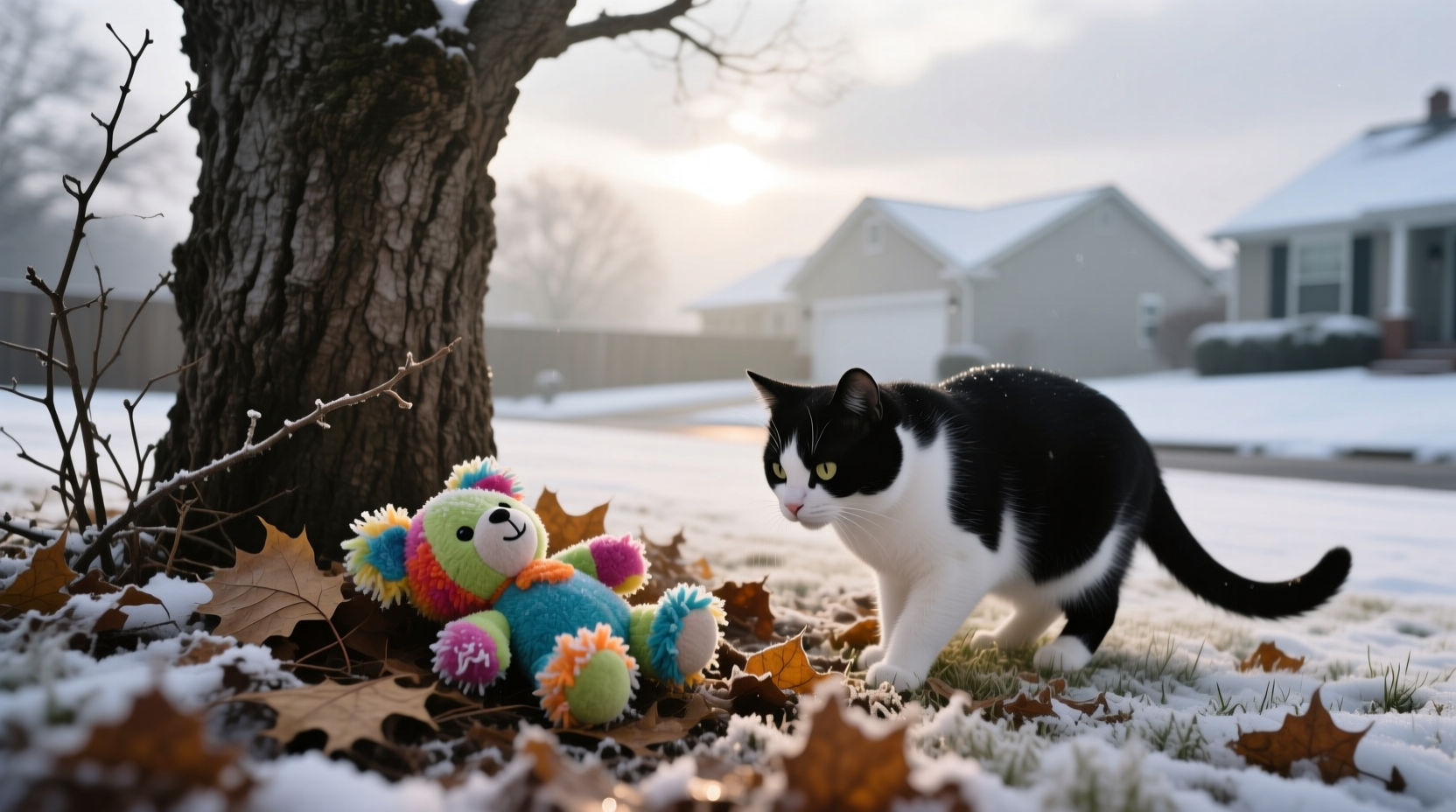
Holidays bring dramatic changes to a household: unfamiliar guests, loud music, altered routines, flashing lights, and strange scents. For pets, especially cats and noise-sensitive dogs, this sensory overload can be overwhelming. A new toy introduced during this period competes with dozens of other stimuli, making it easy to overlook or even perceive as threatening.
Animals rely heavily on routine for emotional security. When their environment shifts abruptly, they prioritize survival cues over novelty. A stuffed animal shaped like a reindeer might smell of synthetic fabric, carry foreign pheromones from packaging, and make unpredictable noises—all red flags in an already chaotic setting.
Tip: Avoid introducing new toys during peak holiday gatherings. Wait until the house settles into a quieter rhythm.Dr. Lena Torres, a certified veterinary behaviorist, explains: “Pets don’t process novelty the way humans do. What we see as exciting, they may interpret as potential danger until proven otherwise.” This cautious approach is evolutionarily adaptive—wild ancestors who investigated every new object risked predation or poisoning.
The Power of Familiarity and Scent Transfer
Pets are deeply influenced by scent. Dogs have up to 300 million olfactory receptors (compared to about 6 million in humans), and cats use scent marking to establish safety zones. A toy fresh out of the box carries none of the animal’s familiar markers—it’s an outsider in their territory.
Over time, as the toy sits unattended, it absorbs ambient household odors. More importantly, it gradually picks up the pet’s own scent through proximity. When the pet brushes against it while walking by or lies near it during naps, they begin to recognize it as part of their domain. This slow integration process is essential for acceptance.
In multi-pet homes, shared objects must also pass social scrutiny. A dominant cat may initially block access to a new item until they’ve deemed it non-threatening. Subordinate animals wait for cues before engaging.
“Scent is the language of security for pets. Until an object smells like ‘home,’ it won’t feel like home.” — Dr. Lena Torres, Veterinary Ethologist
Delayed Gratification: The January Surge Explained
By January, several key changes occur:
- The holiday rush has ended, restoring daily predictability.
- Guests have left, reducing social pressure.
- Routines normalize, allowing pets to reassert control over their space.
- Old toys may have worn out or lost appeal due to overuse.
With lower stress levels and renewed curiosity, pets begin exploring previously ignored items. The toy under the tree, once alien, now benefits from prolonged exposure and environmental stability. It hasn’t changed—but the pet’s readiness to engage has.
This phenomenon mirrors the “mere exposure effect” observed in behavioral science: repeated, passive contact with a stimulus increases preference for it over time, even without direct interaction.
A Real-Life Example: Bella the Cat and the Forgotten Feather Wand
Bella, a 4-year-old domestic shorthair, received a feather-on-a-string toy on Christmas morning. Her owner dangled it enthusiastically, but Bella hid under the sofa. For two weeks, the toy collected dust beside the tree. Then, one quiet Sunday in early January, Bella emerged, dragged the wand across the carpet, and began batting it with focused intensity. Within days, it became her favorite plaything.
Her owner later realized that Bella had only started playing after the visiting relatives departed and the household returned to its usual calm. The toy hadn’t changed—but the context had.
How to Accelerate Toy Acceptance: A Step-by-Step Guide
If you’d like your pet to engage with new toys sooner, follow this timeline-based strategy grounded in animal behavior principles:
- Pre-Introduce (3–7 Days Before Gifting): Place the unwrapped toy in a common area where your pet spends time. Let them investigate at their own pace without encouragement or pressure.
- Scent Infusion (Day 1–5): Rub the toy gently with a cloth used to wipe your pet’s face or paws (rich in facial pheromones). Alternatively, place it near their bed so it absorbs their natural scent.
- Pair With Positive Events (Ongoing): Use the toy near feeding time or during treat distribution. For example, tap a puzzle toy lightly before filling it with kibble to create a positive auditory association.
- Controlled Interaction (After First Interest): Once your pet sniffs or nudges the toy, initiate short play sessions. End before they lose interest to maintain positive reinforcement.
- Rotate and Reintroduce (Weekly): After a few uses, store the toy for 3–5 days. Rotation prevents habituation and preserves novelty longer than constant access.
Do’s and Don’ts of Pet Toy Introduction
| Do | Don't |
|---|---|
| Introduce new toys during low-stress periods (e.g., weekday mornings) | Present multiple new toys at once during holiday chaos |
| Let your pet approach the toy independently | Wave or dangle the toy aggressively to force attention |
| Use familiar scents to condition the toy | Wash toys with strong detergents that strip natural odors |
| Pair toy introduction with treats or meals | Punish disinterest or fear responses |
| Rotate toys weekly to preserve excitement | Leave all toys out constantly, leading to boredom |
Species-Specific Considerations
Different animals respond uniquely to novelty:
- Cats: Highly neophobic (fearful of new things). They prefer stealthy observation before engagement. Placing a toy near a sunlit window or scratching post increases the chance of eventual interaction.
- Dogs: More socially motivated. Many will accept a toy faster if it’s associated with human attention—though anxious or shy dogs may still retreat initially.
- Small Mammals (rabbits, guinea pigs): Extremely sensitive to change. New objects should be introduced outside the cage first, then gradually moved closer over several days.
Understanding your pet’s personality type—bold vs. cautious, social vs. independent—is crucial. A confident Border Collie may fetch a new ball immediately, while a reserved Persian cat might take weeks to warm up to a plush mouse.
Frequently Asked Questions
How long should I wait before assuming my pet dislikes a toy?
Wait at least three to four weeks. Many pets interact only after repeated passive exposure. Store the toy out of sight for a week, then reintroduce it—sometimes a “new” presentation sparks interest.
Can I speed up the process with treats?
Yes, but strategically. Place a treat near (not inside) a new toy for several days. Let your pet eat the treat without expecting interaction. This builds a positive association without pressure. Gradually move the treat closer to the toy’s surface.
What if my pet shows fear or aggression toward a new toy?
Remove the toy immediately and reassess. Loud sounds, erratic movements, or unusual textures can trigger defensive reactions. Try a simpler design—like a soft fabric square instead of a motorized roller. Consult a veterinary behaviorist if fear persists.
Building a Sustainable Toy Culture at Home
Instead of relying on holiday gifts, consider adopting a structured toy rotation system year-round. This not only prolongs the life of each item but also reduces waste and keeps pets mentally stimulated.
Create three sets of toys labeled A, B, and C. Rotate them every 5–7 days. While Set A is in use, store Sets B and C in sealed containers to preserve scent profiles. When reintroduced, previously used toys regain novelty.
This method mimics wild foraging patterns, where resources appear intermittently. It satisfies natural curiosity without overwhelming the animal.
Tip: Label toy sets by date or color-code storage bins for easy tracking.Actionable Checklist: Maximizing Toy Engagement
- ✅ Assess your pet’s stress level before introducing anything new
- ✅ Unwrap and place the toy in a neutral zone 3–7 days before active use
- ✅ Infuse the toy with your pet’s scent using a worn cloth or bedding swatch
- ✅ Pair the toy with positive experiences (feeding, treats, affection)
- ✅ Initiate brief, voluntary play sessions—never force interaction
- ✅ Rotate toys weekly to prevent desensitization
- ✅ Monitor body language for signs of fear, curiosity, or indifference
- ✅ Be patient—acceptance may take days or weeks, not minutes
Conclusion: Respecting the Rhythm of Animal Curiosity
The reason your pet ignores the new toy under the tree until January isn’t neglect or ingratitude—it’s a reflection of their need for safety, predictability, and time. Animals don’t operate on human timelines. Their curiosity unfolds on its own schedule, shaped by instinct, environment, and individual temperament.
By aligning our expectations with their natural rhythms, we foster deeper trust and more meaningful enrichment. Instead of chasing instant gratification, embrace the slow build. Let toys become familiar ghosts in the background before stepping into the spotlight.
💬 Have a story about a toy your pet ignored—then suddenly loved? Share it in the comments. Your experience could help another pet parent understand the quiet magic of delayed connection.








