
Many people experience pain in the back of the hip and assume it's a simple muscle strain. However, discomfort in this area can stem from a range of underlying conditions affecting muscles, joints, nerves, or even the lower spine. Unlike front hip pain—often linked to the hip joint itself—posterior hip pain is frequently misunderstood and misdiagnosed. Understanding the root cause is essential for effective treatment and long-term relief.
Anatomy of the Back Hip: What You Need to Know
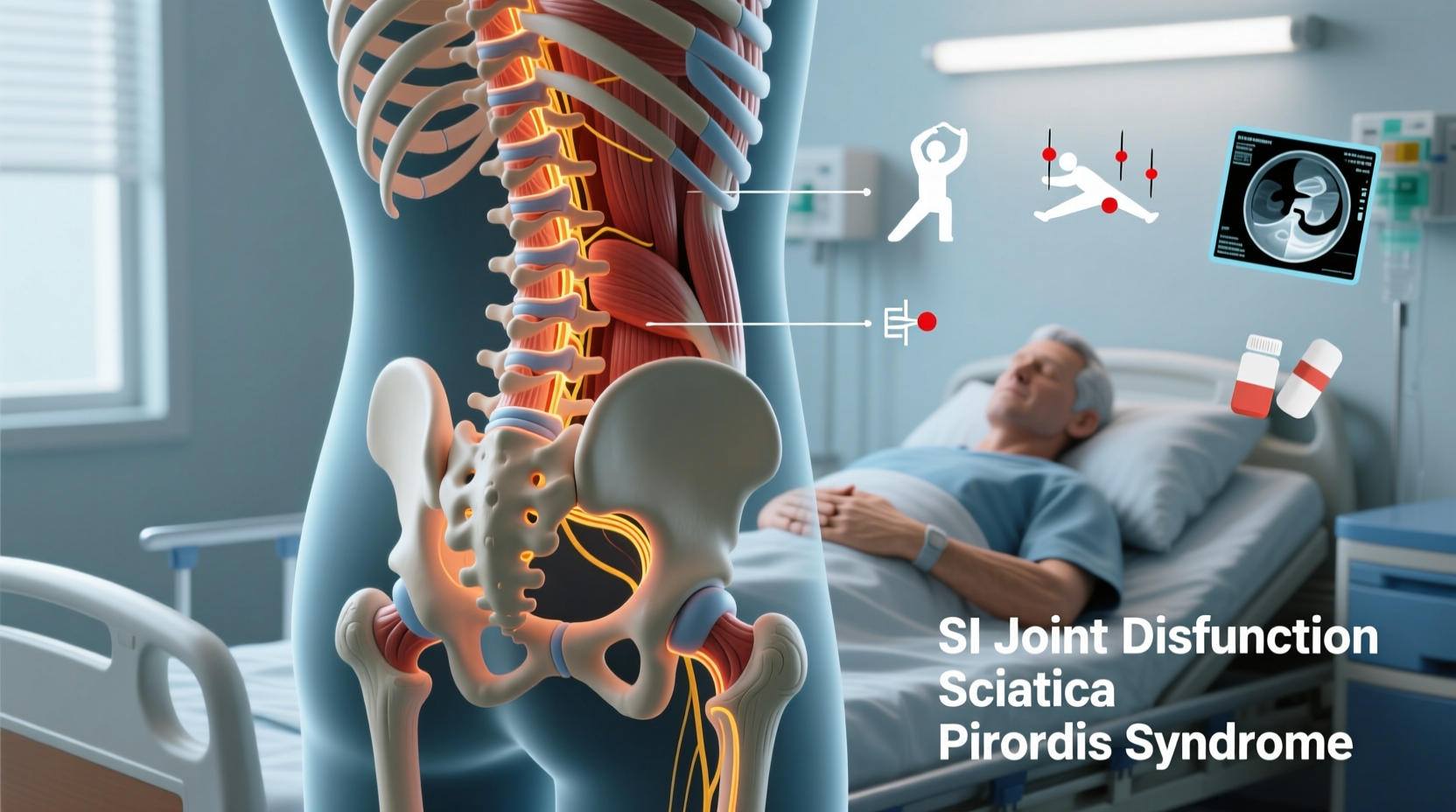
The posterior hip region includes several critical structures: the gluteal muscles (gluteus maximus, medius, and minimus), the piriformis muscle, the sciatic nerve, the sacroiliac (SI) joints, and the proximal hamstring tendons. These components work together to stabilize the pelvis, support movement, and transmit force during walking, running, and sitting.
Pain in the back of the hip may not originate from the hip joint at all. Instead, it can arise from:
- Nerve compression (e.g., sciatica)
- Muscle overuse or strain (especially glutes or hamstrings)
- Dysfunction in the SI joint
- Referred pain from the lumbar spine
- Bursitis or tendonitis in deep hip structures
Because symptoms often overlap, a precise diagnosis requires careful evaluation by a healthcare provider.
Common Causes of Back Hip Pain
Piriformis Syndrome
The piriformis muscle runs deep in the buttock, near the sciatic nerve. When this muscle tightens or spasms, it can compress the sciatic nerve, causing pain that radiates from the buttock down the leg. This condition mimics sciatica but originates locally rather than from the spine.
Tip: Prolonged sitting, especially on hard surfaces or with a wallet in the back pocket, can aggravate piriformis syndrome.Sacroiliac Joint Dysfunction
The SI joint connects the sacrum (base of the spine) to the pelvis. Inflammation or misalignment here can produce sharp or dull pain in the lower back, buttock, or upper thigh. It’s often triggered by pregnancy, trauma, or repetitive stress from activities like running.
Deep Gluteal Syndrome
This term describes chronic entrapment of the sciatic nerve in the deep gluteal space due to scarring, vascular anomalies, or muscle abnormalities. Symptoms include persistent buttock pain worsened by sitting and sometimes numbness or tingling.
Proximal Hamstring Tendinopathy
Overuse injuries in runners, cyclists, or weightlifters can lead to degeneration of the hamstring tendon where it attaches to the sit bone (ischial tuberosity). Pain typically increases when sitting, sprinting, or stretching the hamstrings.
Lumbar Spine Referred Pain
Herniated discs or spinal stenosis in the lower back can refer pain to the hip and buttock. If you feel tingling, weakness, or electric-like sensations down the leg, the source may be neurological rather than musculoskeletal.
“Up to 30% of patients referred for hip surgery actually have non-hip sources of pain, including spine-related issues.” — Dr. Robert Grossman, Orthopedic Spine Specialist
Treatment Options Based on Cause
Effective treatment depends on accurate diagnosis. Once the underlying issue is identified, a targeted plan can provide lasting relief.
Conservative Management
Most cases respond well to non-invasive treatments:
- Physical therapy: Focuses on strengthening weak muscles, releasing tight tissues, and improving pelvic alignment.
- Stretching routines: Target piriformis, hip flexors, and hamstrings to reduce tension.
- Activity modification: Avoid prolonged sitting, heavy lifting, or high-impact exercise during flare-ups.
- Heat and ice: Ice reduces acute inflammation; heat relaxes tight muscles before stretching.
Medical Interventions
When conservative care isn’t enough, doctors may recommend:
| Condition | Treatment | Effectiveness |
|---|---|---|
| Piriformis Syndrome | Corticosteroid or botulinum toxin injections | Moderate to high short-term relief |
| SI Joint Dysfunction | RFA (radiofrequency ablation) or joint injections | Longer-lasting if combined with PT |
| Hamstring Tendinopathy | Platelet-rich plasma (PRP) injections | Emerging evidence shows tissue repair benefits |
| Nerve Entrapment | Surgical decompression (rare) | Considered only after failed conservative care |
Step-by-Step Guide to Managing Back Hip Pain at Home
- Assess your daily habits: Note how much time you spend sitting, exercising, or standing. Identify potential triggers like poor ergonomics or new workouts.
- Begin gentle stretching: Perform piriformis and hamstring stretches twice daily. Hold each stretch for 30 seconds without bouncing.
- Apply ice or heat: Use ice packs for 15 minutes if pain is sharp or recent; switch to heat for chronic stiffness.
- Modify activity: Replace running with swimming or cycling temporarily to reduce load on the hip.
- Strengthen supporting muscles: Add glute bridges, clamshells, and core exercises 3 times per week.
- Track progress: Keep a pain journal noting intensity, location, and response to interventions.
- Seek professional help: If pain persists beyond 2–3 weeks, consult a physical therapist or orthopedic specialist.
Real-Life Example: Overcoming Chronic Buttock Pain
Sarah, a 42-year-old office worker and weekend runner, began experiencing deep buttock pain that worsened after long meetings and runs. Initially diagnosed with sciatica, she was prescribed anti-inflammatories with minimal improvement. After referral to a physical therapist, assessment revealed piriformis syndrome aggravated by weak glutes and prolonged sitting.
Her treatment included targeted stretching, glute activation exercises, ergonomic adjustments at work, and a temporary pause on running. Within six weeks, her pain decreased significantly. By incorporating regular mobility work and posture checks, she returned to running without recurrence.
Checklist: When to See a Doctor
- ✅ Pain lasts longer than 3 weeks despite self-care
- ✅ Numbness, tingling, or weakness spreads down the leg
- ✅ Difficulty walking or bearing weight
- ✅ Pain wakes you at night or occurs at rest
- ✅ History of trauma or fall
- ✅ Previous back or hip surgery
Frequently Asked Questions
Can sitting too much cause back hip pain?
Yes. Prolonged sitting shortens hip flexors, weakens glutes, and increases pressure on the piriformis and SI joint. Taking standing breaks every 30–60 minutes helps reduce risk.
Is back hip pain ever a sign of something serious?
Rarely, but yes. Red flags include unexplained weight loss, fever, bowel/bladder changes, or severe nighttime pain—these may indicate infection, tumor, or cauda equina syndrome and require immediate medical evaluation.
How long does it take to recover from posterior hip pain?
Recovery varies by cause. Muscle strains may resolve in 2–6 weeks. Tendinopathies or nerve-related issues can take 3–6 months with consistent rehab. Early intervention improves outcomes.
Take Control of Your Hip Health
Back hip pain doesn’t have to be a permanent limitation. Whether caused by overuse, structural imbalance, or referred spinal issues, most conditions respond well to timely, targeted care. Start with simple lifestyle adjustments and home exercises, but don’t hesitate to seek expert guidance when needed. The key to recovery lies in understanding your body, addressing root causes, and staying consistent with rehabilitation.
💬 Have you experienced back hip pain? Share your journey or questions below—your story could help someone find relief.








