
Hamsters are naturally active creatures, and one of the most familiar sights for any owner is their pet sprinting on a wheel late into the night. While this behavior may seem excessive or even concerning at first glance, constant wheel running is typically a completely normal part of a hamster’s daily routine. However, understanding why they do it—and knowing when it might signal stress or health issues—is essential for responsible pet care.
This article breaks down the biological, psychological, and environmental factors behind non-stop wheel activity in hamsters. From natural instincts to cage setup influences, you’ll gain a comprehensive view of what drives this behavior and how to support your pet’s well-being through proper enrichment and observation.
The Natural Instinct Behind Wheel Running
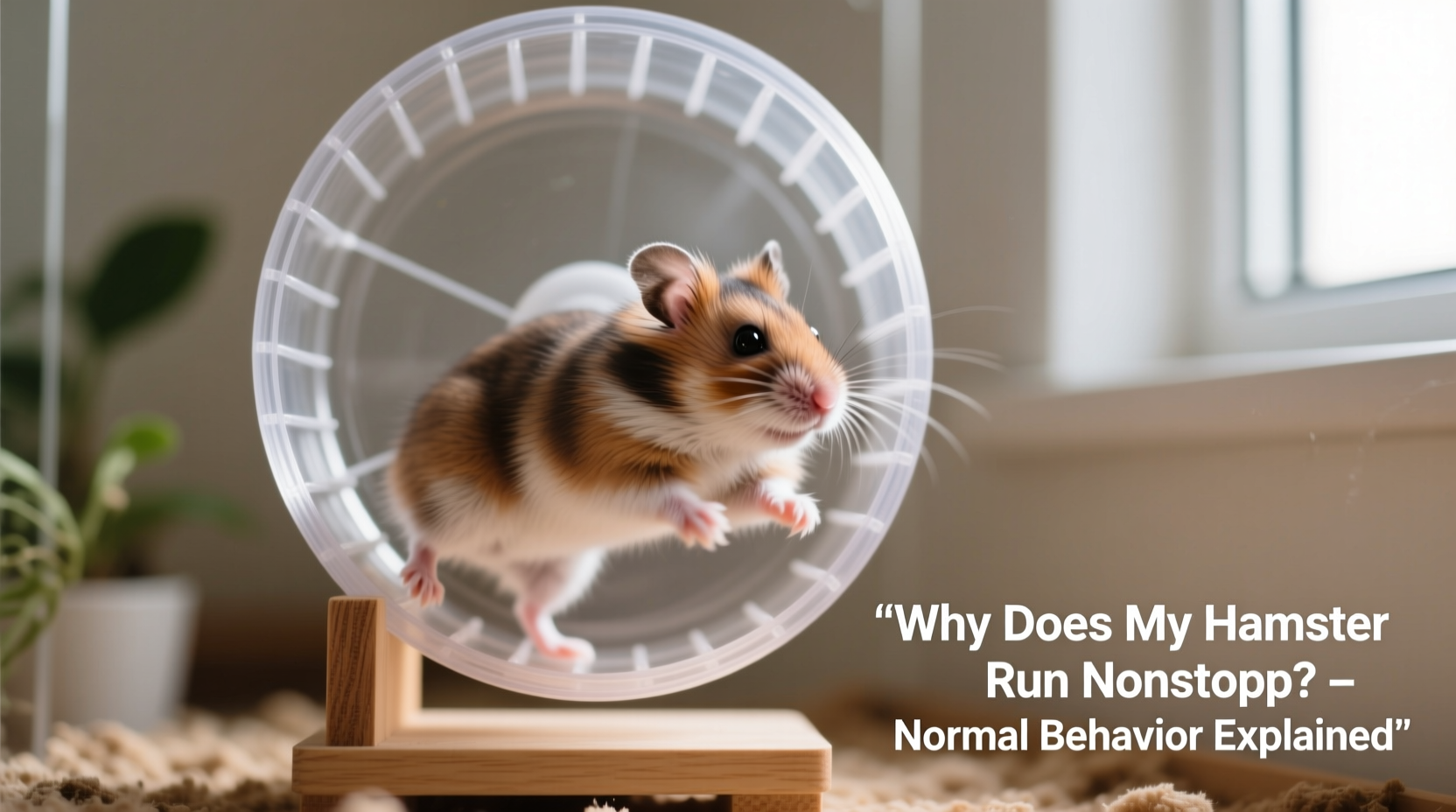
Hamsters originate from arid regions such as Syria, China, and parts of Russia, where survival depends on covering long distances in search of food, water, and shelter. In the wild, a single hamster can travel up to 5–9 kilometers (3–6 miles) per night. This ingrained instinct doesn’t disappear in captivity—instead, it manifests through repetitive behaviors like wheel running.
Running serves multiple purposes: physical exercise, mental stimulation, and stress relief. For a small animal with limited space, the wheel becomes both a survival simulation and an outlet for pent-up energy. The rhythmic motion provides a sense of purpose and control, mimicking the exploratory patterns of their natural habitat.
“Wheel running isn’t just habit—it’s a deeply rooted behavioral need. Depriving a hamster of this outlet can lead to anxiety and stereotypic behaviors.” — Dr. Lena Torres, Small Mammal Ethologist
Unlike humans who may run for fitness, hamsters aren't driven by calorie burning alone. Their motivation is more complex, involving circadian rhythms, territorial impulses, and sensory feedback from movement. Even when well-fed and safe, the urge to cover ground persists because evolution has hardwired them for constant motion.
Is Non-Stop Running a Sign of Stress or OCD?
While frequent wheel use is normal, there are subtle differences between healthy activity and problematic overexertion. A hamster that runs intermittently throughout the night, takes breaks, eats regularly, and interacts with its environment is likely expressing natural behavior. But continuous, frantic running without rest—especially during daylight hours—may indicate underlying stress.
Stereotypic behaviors, such as repetitive circling or bar-chewing, often stem from inadequate living conditions. These include:
- Too-small enclosures
- Lack of enrichment (toys, tunnels, digging material)
- Poor wheel design (wire rungs, too small diameter)
- Exposure to loud noises or inconsistent lighting
In some cases, especially with dwarf species, excessive running has been linked to genetic predispositions toward hyperactivity. However, true obsessive-compulsive disorder (OCD) in hamsters is rare and usually develops only under chronic stress or extreme confinement.
Tip: Observe your hamster over several nights. If they eat, groom, explore, and sleep between runs, their activity is likely healthy.Choosing the Right Wheel: Design Matters
Not all wheels are created equal. An improperly sized or poorly designed wheel can encourage unnatural gait patterns, discomfort, or even injury—leading to either avoidance or compensatory overuse. Selecting the correct wheel is crucial for promoting safe, sustainable exercise.
| Hamster Type | Minimum Wheel Diameter | Recommended Material | Avoid |
|---|---|---|---|
| Syrian | 8 inches (20 cm) | Plastic with solid surface | Wheels under 7\" |
| Dwarf (Roborovski, Campbell’s, Winter White) | 6–7 inches (15–18 cm) | Smooth plastic or metal | Wire mesh or rung-style wheels |
| Chinese Dwarf | 7 inches (18 cm) | Full-surface plastic | Narrow or squeaky wheels |
A silent, smooth-spinning wheel placed on solid flooring (not wire mesh) reduces joint strain and noise disruption. Models with a central hub rather than spokes prevent foot injuries—a common issue with older-style exercise wheels. Mounting options vary, but freestanding or side-mounted wheels tend to offer better stability and reduce cage vibration.
Creating a Balanced Environment: Beyond the Wheel
Though the wheel is a primary source of exercise, relying solely on it can contribute to monotony. A mentally stimulated hamster is less likely to fall into compulsive routines. Enrichment plays a key role in balancing activity levels and preventing overdependence on one form of stimulation.
Consider these additions to promote diverse behaviors:
- Tunnels and hideouts: Encourage exploration and mimic burrowing habits.
- Digging substrate: Use paper-based bedding or aspen shavings to allow natural digging.
- Foraging opportunities: Scatter food instead of using bowls to simulate hunting.
- Climbing structures: Add low platforms or ramps suitable for small limbs.
- Toys and chewables: Rotate items weekly to maintain novelty.
Environmental complexity directly impacts behavioral diversity. Hamsters housed in enriched environments show reduced repetitive behaviors and improved overall welfare compared to those in bare cages—even if both have access to wheels.
Mini Case Study: Reducing Over-Running Through Enrichment
Sophie, a Syrian hamster owned by a first-time caretaker in Portland, was observed running nearly 10 hours per night on her 6-inch wire wheel. She rarely left the wheel except to drink, and her owner worried she was stressed or unwell.
After consulting a vet and ruling out medical causes, the owner upgraded to an 8-inch silent plastic wheel and expanded the enclosure from 200 to 450 square inches. They added a tunnel system, a dig box filled with shredded paper, and began scattering kibble around the cage each evening.
Within two weeks, Sophie’s running decreased to about 4–5 hours per night, distributed in shorter bursts. She spent more time exploring, nesting, and chewing wood blocks. Her overall demeanor became calmer, and weight checks confirmed she remained healthy.
This case illustrates how addressing environmental limitations—not just replacing equipment—can shift behavior toward greater balance.
Step-by-Step Guide to Assessing Your Hamster’s Wheel Habits
If you're unsure whether your hamster’s running is within normal limits, follow this structured evaluation process:
- Monitor Timing: Use a notebook or app to log running episodes over three consecutive nights. Note start/end times and duration.
- Check Physical Health: Look for signs of weight loss, fur thinning, swollen feet, or lethargy after running.
- Evaluate Wheel Fit: Ensure the wheel allows a neutral spine posture—no hunching or arching while running.
- Assess Cage Setup: Verify minimum floor space (360+ sq in for Syrians), bedding depth (at least 6 inches), and presence of hiding spots.
- Introduce Enrichment: Add one new toy or activity per week and observe changes in behavior distribution.
- Adjust Lighting Schedule: Maintain a consistent 12-hour light/dark cycle to regulate circadian rhythm.
- Reassess After Two Weeks: Compare logs and behavior notes to determine if adjustments helped create balance.
This methodical approach helps distinguish between instinctual activity and potential distress signals, allowing for targeted improvements.
Common Myths About Hamster Wheel Use
Misinformation often leads owners to misinterpret normal behavior. Here are three widespread myths debunked:
- Myth 1: “If my hamster runs all night, it must be bored.”
Reality: Boredom can cause over-grooming or inactivity, not necessarily increased running. Many active hamsters are mentally engaged despite high mileage. - Myth 2: “Silent wheels make hamsters run less.”
Reality: Noise reduction improves human comfort but doesn’t alter motivation. A quiet wheel simply allows observation without disturbance. - Myth 3: “Dwarf hamsters need smaller wheels.”
Reality: Despite their size, dwarfs require proportionally large wheels to avoid spinal curvature. A 6-inch minimum is critical.
Understanding what’s myth versus fact empowers caregivers to make informed decisions based on science, not assumptions.
Frequently Asked Questions
How many miles does a hamster run per night?
On average, captive hamsters can cover 5 to 9 kilometers (3–6 miles) nightly, depending on age, breed, and environment. This reflects their evolutionary need to roam widely in search of resources.
Should I limit my hamster’s wheel time?
No. Restricting wheel access can increase stress and lead to behavioral problems. Instead, focus on improving wheel quality and adding alternative activities to diversify their routine.
Can hamsters run themselves to death?
While extremely rare, severe overexertion due to malfunctioning wheels (e.g., stuck or tilted) or untreated illness can lead to exhaustion. Healthy hamsters self-regulate. Always ensure the wheel spins freely and inspect for signs of fatigue or injury.
Checklist: Is Your Hamster’s Wheel Routine Healthy?
Use this quick reference to evaluate your setup:
- ✅ Wheel diameter appropriate for species
- ✅ Solid running surface (no wire rungs)
- ✅ Smooth, quiet rotation
- ✅ Positioned securely on flat surface
- ✅ Hamster maintains good body condition
- ✅ Regular breaks taken between runs
- ✅ Additional enrichment available (tunnels, toys, deep bedding)
- ✅ Consistent day/night lighting cycle
- ✅ No signs of foot injuries or limping
- ✅ Normal eating, drinking, and grooming habits
Conclusion: Supporting Natural Behavior Responsibly
Non-stop wheel running in hamsters is generally a reflection of innate biology, not distress. These animals evolved to move constantly, and providing an outlet for that energy supports both physical and psychological health. However, responsible ownership means going beyond simply offering a wheel.
By choosing the right equipment, expanding environmental complexity, and observing behavior thoughtfully, you can ensure your hamster thrives—not just survives. When enrichment and space meet instinctual needs, you’ll see a richer range of natural behaviors emerge: digging, foraging, climbing, and resting, alongside balanced wheel use.
💬 Have questions about your hamster’s activity level? Share your experience or ask for advice in the comments—let’s build a community of informed, compassionate small pet caregivers!








