Washing your hair should leave it feeling clean, soft, and refreshed. But if your strands feel tacky, coated, or oddly sticky right after a wash—even when you’ve used the same shampoo for months—something is likely off in your routine or environment. This sensation isn’t normal, and it’s more than just an annoyance; it can indicate buildup, chemical imbalances, or underlying scalp issues that, if ignored, may lead to dullness, breakage, or even hair loss over time.
The sticky feeling typically stems from residue left behind on the hair shaft—residue that wasn’t fully rinsed out or properly broken down during cleansing. While it might seem like a minor issue, understanding the root causes can make a significant difference in both the health and appearance of your hair. From hard water minerals to silicone-laden conditioners, multiple factors contribute to this frustrating problem. The good news? Most are easily fixable with the right knowledge and adjustments.
Understanding the Science Behind Sticky Hair
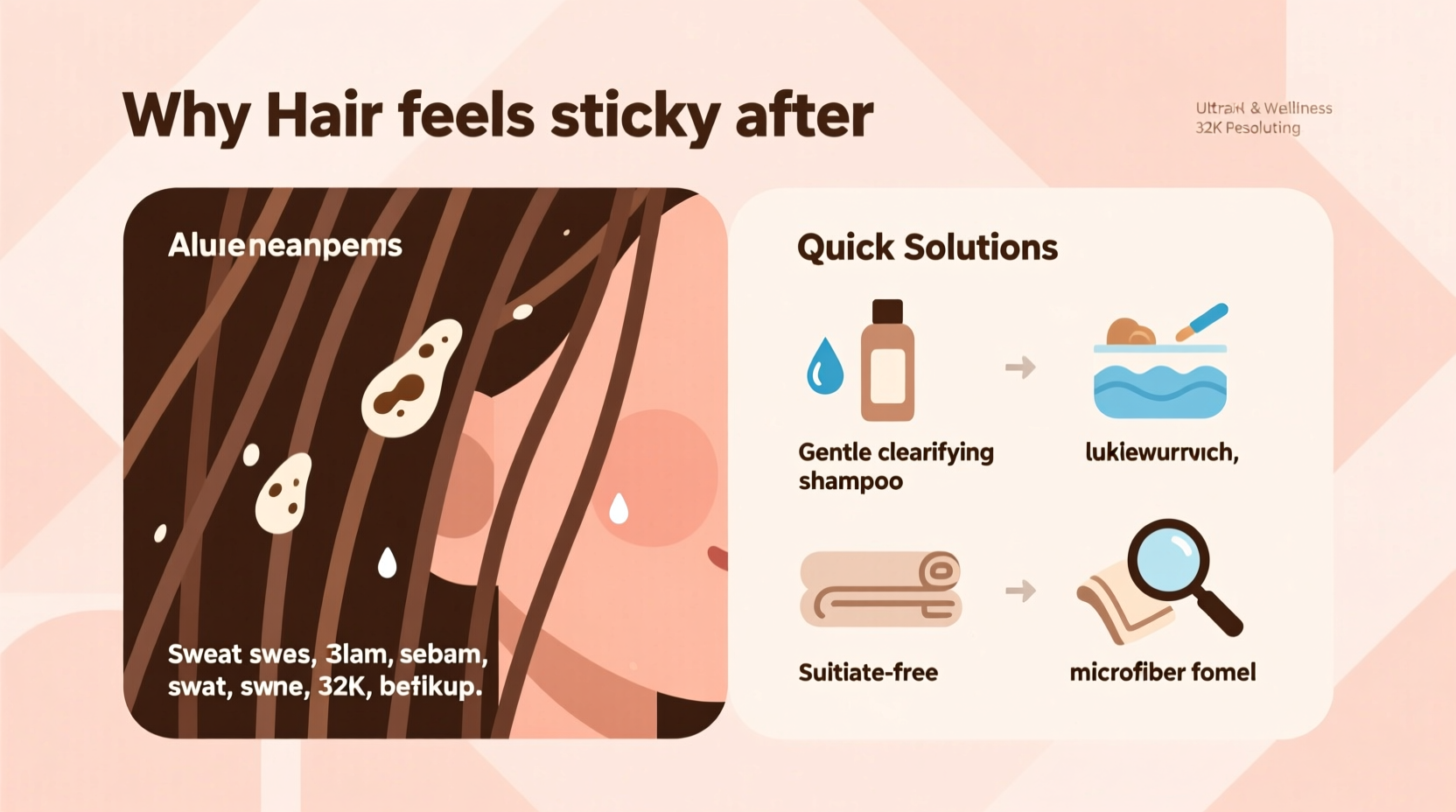
To effectively address sticky hair, it helps to understand how hair interacts with water, cleansers, and styling products. Healthy hair has a slightly acidic pH, around 4.5 to 5.5. When you wash your hair, the goal is to remove excess oil, sweat, environmental pollutants, and old product residue without stripping natural moisture or disrupting the cuticle layer.
The cuticle—the outermost layer of the hair shaft—is made up of overlapping scales. When these lie flat, hair feels smooth and reflects light, giving it shine. But when they’re lifted or coated with residue, hair can feel rough, sticky, or gummy. This happens when surfactants in shampoo fail to emulsify and rinse away certain substances, especially those that are water-insoluble or polymer-heavy.
For example, many conditioners and styling creams contain silicones such as dimethicone or cyclomethicone. These coat the hair to add slip and reduce frizz, but over time, they build up—especially if not fully removed by non-sulfate shampoos. Similarly, natural oils like coconut or argan oil can be beneficial but may remain on the hair if not properly cleansed, leading to a sticky or greasy texture.
“Persistent stickiness after washing is rarely about dirt—it's usually about incomplete cleansing or incompatible product combinations.” — Dr. Lena Torres, Trichologist and Hair Health Specialist
Common Culprits Behind Post-Wash Stickiness
Several everyday factors can leave your hair feeling less than fresh after a wash. Identifying which one (or combination) applies to you is the first step toward resolution.
1. Product Buildup from Conditioners and Styling Agents
Heavy conditioners, leave-in treatments, gels, and serums often contain polymers and emollients that adhere strongly to the hair. While they improve manageability and shine, repeated use without thorough cleansing leads to accumulation. Over time, this creates a film that repels water and makes hair feel coated or sticky.
Tip: If you use multiple styling products daily, incorporate a clarifying shampoo at least once every 7–10 days.2. Hard Water Mineral Deposits
Hard water contains high levels of calcium, magnesium, and iron. These minerals bind to hair proteins and form insoluble salts when combined with shampoo ingredients. The result? A chalky, sticky residue that dulls hair and interferes with lather formation.
Signs you have hard water include difficulty creating suds, dry scalp despite oily roots, and faster fading of color-treated hair. You may also notice soap scum in your shower or on faucets—a telltale indicator.
3. Silicones That Don’t Rinse Clean
Silicones are widely used in haircare for their smoothing effects. However, non-water-soluble types like dimethicone require sulfates or strong surfactants to remove. If your shampoo lacks sufficient cleansing power, these compounds accumulate, leading to a slippery-yet-sticky sensation.
Water-soluble silicones (e.g., PEG-modified dimethicone) rinse out more easily, making them better suited for low-poo or co-washing routines.
4. Incomplete Rinsing
Rushing through the rinse phase is surprisingly common. Shampoo and conditioner need time and ample water flow to be fully washed out. If you're using a low-pressure showerhead or cutting rinsing short, residue remains—especially near the nape and crown areas.
5. Low-Quality or Expired Products
Old or poorly formulated shampoos lose their effectiveness. Emulsifiers degrade over time, reducing the product’s ability to lift oils and debris. Similarly, expired conditioners can separate or become sticky themselves, transferring that texture onto your hair.
6. Scalp Sweat and Environmental Pollutants
If you exercise frequently or live in a polluted urban area, sweat mixed with airborne particles can form a sticky film on the scalp and hair. Sweat contains urea, lactate, and salt—all of which can crystallize and cause discomfort if not thoroughly cleaned.
Quick Solutions to Restore Clean, Smooth Hair
Once you've identified the likely cause, targeted interventions can resolve the issue quickly. Below are practical, science-backed fixes tailored to each culprit.
Step-by-Step Guide: How to Remove Sticky Residue in One Wash
- Pre-wash detangling: Use a wide-tooth comb to gently remove knots before wetting your hair. This prevents breakage and allows even product distribution.
- Double cleanse: Apply a sulfate-free or clarifying shampoo twice. The first wash breaks down oils and residue; the second ensures complete removal.
- Use warm (not hot) water: Warm water opens the cuticle slightly, helping to flush out trapped debris. Avoid scalding temperatures, which damage hair and increase porosity.
- Rinse for longer: Spend at least 60 seconds rinsing thoroughly, focusing on areas where buildup tends to occur (back of head, hairline).
- Follow with a lightweight, water-soluble conditioner: Apply only from mid-length to ends. Avoid the scalp unless medically necessary.
- Rinse again with cool water: A final cool rinse seals the cuticle, improving smoothness and shine.
Long-Term Prevention Strategies
Maintaining consistently clean-feeling hair requires ongoing attention to product choices, water quality, and washing technique. Here’s how to stay ahead of stickiness:
Invest in a Shower Filter
If hard water is the issue, installing a shower filter that removes chlorine, iron, and heavy metals can dramatically improve hair texture. KDF (Kinetic Degradation Fluxion) filters are particularly effective for neutralizing minerals without stripping essential elements.
Rotate Your Shampoos
Using the same shampoo daily can lead to adaptation, where the formula becomes less effective. Rotate between a gentle daily shampoo and a clarifying version every 7–10 days. This prevents buildup while maintaining scalp health.
Read Labels Carefully
Avoid products containing these hard-to-remove ingredients unless you're prepared to deep-clean regularly:
- Dimethicone, amodimethicone, cetyl dimethicone
- Mineral oil, petrolatum
- Beeswax, lanolin (common in curl creams)
Limit Co-Washing Without Clarification
Conditioner-only washing (co-washing) can be great for curly or dry hair types, but it doesn’t remove silicones or oils effectively. Always follow 3–4 co-washes with a proper shampoo to prevent long-term residue.
Do’s and Don’ts: Managing Sticky Hair
| Do | Don’t |
|---|---|
| Use lukewarm water to open the cuticle and allow deeper cleansing. | Use very hot water, which damages keratin and increases porosity. |
| Clarify monthly (or bi-weekly for oily scalps or heavy product users). | Go more than 6 weeks without clarifying if you use multiple styling products. |
| Apply conditioner only to mid-lengths and ends. | Slather conditioner all over your scalp, especially if prone to oiliness. |
| Try a DIY baking soda rinse (1 tsp per cup of water) occasionally to lift stubborn residue. | Use baking soda too often—it’s highly alkaline and can weaken hair over time. |
Real-Life Example: Sarah’s Journey from Sticky to Silky
Sarah, a 34-year-old yoga instructor in Phoenix, Arizona, struggled for months with hair that felt “gummy” after every wash. She swore by her favorite silicone-rich smoothing serum and used a sulfate-free shampoo daily. Despite regular washing, her hair lacked bounce and often attracted dust and lint due to static from the coating.
After visiting a trichologist, she learned two key things: her local water was extremely hard (over 18 grains per gallon), and her go-to serum contained amodimethicone—a heavy silicone that required sulfates to remove. Her mild shampoo simply couldn’t cut through it.
The solution? She installed a KDF shower filter and switched to a rotating routine: a clarifying shampoo every 10 days, followed by a chelating shampoo once a month. Within three weeks, her hair felt lighter, shinier, and no longer clung unpleasantly to her neck after workouts. She now uses her beloved serum sparingly and always follows up with a proper cleanse within 48 hours.
Expert-Recommended Checklist for Sticky Hair Relief
- ✅ Assess your water hardness (use a test strip or check local reports).
- ✅ Review ingredient labels on all current hair products—flag any non-water-soluble silicones or waxes.
- ✅ Schedule a clarifying wash this week using a sulfate-based or chelating shampoo.
- ✅ Extend rinse time to at least 60 seconds with steady water flow.
- ✅ Consider adding an apple cider vinegar rinse (diluted) once weekly.
- ✅ Install a shower filter if hard water is confirmed.
- ✅ Re-evaluate your conditioner application zone—scalp vs. ends.
Frequently Asked Questions
Can sticky hair lead to hair loss?
Not directly, but chronic buildup can clog hair follicles, irritate the scalp, and create an unhealthy environment for growth. Over time, this may contribute to thinning, especially if accompanied by dandruff or inflammation.
Is it safe to clarify hair every week?
For most people, weekly clarification is too harsh and can strip natural oils, leading to dryness and brittleness. Limit clarifying shampoos to once every 7–14 days unless directed otherwise by a dermatologist. Those with oily scalps or frequent product use may tolerate it better.
Why does my hair feel sticky only at the roots?
Sticky roots usually point to sebum-trapped buildup, insufficient rinsing, or scalp-specific product use (like oils or treatments). It can also signal early stages of seborrheic dermatitis, where excess oil mixes with dead skin cells. If persistent, consult a dermatologist.
Take Control of Your Hair Health Today
Feeling sticky hair after washing isn't something you should ignore or accept as normal. With the right diagnosis and targeted care, you can eliminate the residue, restore your hair’s natural texture, and enjoy truly clean results every time you step out of the shower. Start by evaluating your products, water quality, and technique. Small changes—like extending your rinse time or switching to a clarifying shampoo—can yield dramatic improvements.
Your hair deserves to feel as healthy as it looks. Implement one or two of the solutions outlined here this week, and pay close attention to how your strands respond. Over time, you’ll develop a personalized routine that keeps stickiness at bay and your confidence high.
💬 Have you solved your own sticky hair mystery? Share your story in the comments—your tip could help someone finally get that clean, weightless feeling they’ve been missing!








