Washing your hair should leave it feeling clean, soft, and refreshed. So when you step out of the shower only to find your strands coated in a strange, glue-like residue, it’s more than just frustrating—it’s puzzling. Sticky hair doesn’t just feel unpleasant; it can also be a sign that something in your routine isn’t working. The good news? Most causes are fixable with simple adjustments.
This issue affects people across all hair types—from fine and straight to thick, curly, or coily textures. Whether you wash daily or once a week, encountering sticky hair is surprisingly common. Understanding the root causes is the first step toward restoring your hair’s natural texture and vitality.
Understanding the Science Behind Sticky Hair
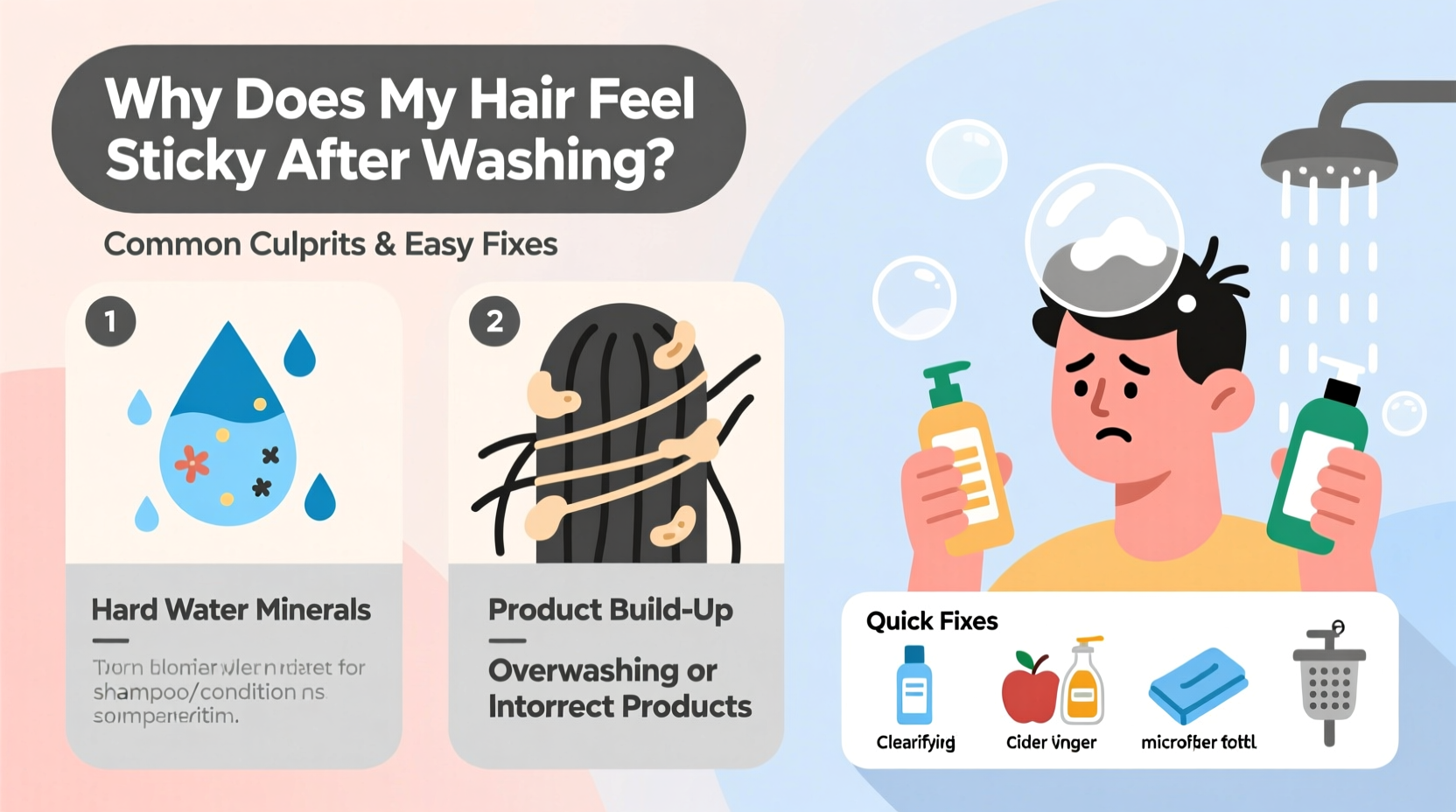
Your scalp produces sebum, a natural oil that conditions hair and protects it from environmental stressors. When balanced, sebum keeps your hair healthy without making it greasy. But when external factors interfere—such as product buildup, hard water, or improper rinsing—residue accumulates on the hair shaft, leading to a tacky or gummy sensation.
The hair cuticle, the outermost layer of each strand, plays a crucial role. When damaged or coated, it fails to lie flat, trapping particles and moisture unevenly. This creates friction between strands and an overall sticky texture. Unlike oily hair, which feels slick or heavy, sticky hair often has a clinging, almost damp quality—even when dry.
Sticky residue isn’t always visible. You might not see buildup, but your fingers will notice resistance when running through your hair. It’s like touching slightly dried glue or syrup-coated fibers. This sensation usually develops over time, especially if the same products or water sources are used consistently.
Common Culprits Behind Sticky Hair After Washing
Several everyday factors contribute to post-wash stickiness. Identifying which one applies to you is key to resolving the issue.
1. Product Buildup from Conditioners and Styling Products
Conditioners, masks, serums, and styling creams are designed to add moisture and protection. However, many contain silicones (like dimethicone or cyclomethicone) that coat the hair to smooth frizz and enhance shine. While beneficial in moderation, these ingredients don’t dissolve in water and can accumulate over time, especially if not fully rinsed.
Heavy oils and butters—common in curly hair products—can also linger on strands, creating a sticky film when combined with sweat or humidity.
Tip: Use a clarifying shampoo every 2–4 weeks to remove stubborn product residue without stripping natural oils completely.2. Hard Water Mineral Deposits
If you live in an area with hard water—water high in calcium, magnesium, and iron—minerals bind to your hair during washing. These deposits form a coating that prevents moisture absorption and leaves hair feeling stiff and tacky. Over time, they can also dull color-treated hair and reduce lather from shampoos.
A telltale sign of hard water damage: your hair feels “straw-like” or rough despite using hydrating products, and soap scum builds up quickly in your shower.
3. Incomplete Rinsing
Rushing through the rinse phase is one of the most overlooked causes. Shampoo and conditioner must be thoroughly washed out, especially for long or thick hair. If even small amounts remain, they interact with air and heat (from blow-drying), forming a sticky layer on the surface.
This is particularly common with deep conditioners or protein treatments, which are formulated to adhere to hair longer than regular products.
4. Low-Quality or Expired Hair Products
Not all shampoos and conditioners perform equally. Some budget-friendly brands use cheaper emulsifiers and thickeners that don’t rinse cleanly. Others may separate over time, especially if stored in hot environments like bathrooms. Using expired or compromised products increases the risk of residue and irritation.
5. pH Imbalance in Hair Care Products
Healthy hair thrives at a slightly acidic pH level between 4.5 and 5.5. Alkaline products (above pH 7) lift the cuticle, making hair porous and prone to tangling and stickiness. Many traditional soaps and some clarifying shampoos fall into this category. Without proper acid-balancing afterward, hair remains open and vulnerable to environmental grime.
“Residue-related issues account for nearly 60% of complaints we see in trichology clinics. Often, patients are unaware how much their water quality or product choices impact hair texture.” — Dr. Lena Torres, Trichologist & Scalp Health Specialist
How to Fix and Prevent Sticky Hair: A Step-by-Step Guide
Restoring your hair’s softness involves both immediate action and long-term habit changes. Follow this timeline to address the problem systematically.
Week 1: Clarify and Reset
- Use a clarifying shampoo. Choose one free of sulfates if you have color-treated or sensitive hair. Look for chelating agents like EDTA, which bind to minerals in hard water.
- Rinse with lukewarm water for at least 3–5 minutes. Focus on the roots and behind the ears—common areas where product collects.
- Follow with a vinegar rinse (optional). Mix 1 part apple cider vinegar with 3 parts cool water. Pour over hair, wait 2 minutes, then rinse. This helps dissolve buildup and close the cuticle.
Week 2: Evaluate Your Routine
- Check expiration dates on all products.
- Switch to silicone-free conditioners if you notice recurring buildup.
- Install a shower filter if hard water is suspected.
Ongoing Maintenance
After resetting your hair, maintain clarity with smart habits:
- Pre-poo before washing with a lightweight oil (e.g., jojoba) to block mineral absorption.
- Use cooler water for the final rinse to seal the cuticle.
- Limit heavy leave-in products to mid-lengths and ends only.
Do’s and Don’ts: Quick Reference Table
| Do’s | Don’ts |
|---|---|
| Rinse hair for at least 3–5 minutes after conditioning | Skimp on the rinse time to save water |
| Use a chelating or clarifying shampoo monthly | Clarify more than once a week (can cause dryness) |
| Install a shower filter in hard water areas | Assume bottled water is necessary (filtered tap works) |
| Apply conditioner mainly to ends, not scalp | Use heavy butters or oils near the roots |
| Store products in a cool, dark place | Leave shampoos in direct sunlight or humid showers |
Real-Life Example: Sarah’s Curly Hair Journey
Sarah, a 34-year-old teacher with thick, 3C curls, struggled for months with hair that felt “sticky no matter how often I washed it.” She used rich curl creams and deep conditioners weekly, believing hydration was her top priority. Despite following tutorials from influencers, her hair remained dull and tacky by day two.
After visiting a trichologist, she learned her city had extremely hard water—and her favorite deep conditioner contained high levels of cetyl alcohol, which wasn’t rinsing out due to mineral interference. The solution?
She installed an affordable shower filter and switched to a low-poo (gentle cleansing) routine using a sulfate-free shampoo with citric acid. She also began doing a monthly chelating wash. Within three weeks, her hair felt lighter, bouncier, and no longer clung together in stiff clumps. “It’s like I got my curls back,” she said. “I didn’t realize I was fighting against my water the whole time.”
Tips for Specific Hair Types
Different textures face unique challenges when dealing with stickiness.
For Fine or Oily Hair
Fine hair shows residue quickly because strands are thinner and more prone to coating. Avoid heavy conditioners and apply only from ear-level down. Use volumizing shampoos that cleanse deeply without overdrying.
For Thick or Coarse Hair
These types often require more product, increasing the risk of incomplete rinsing. Try sectioning your hair while washing and spend extra time massaging and flushing each part under water.
For Curly or Coily Hair
Natural hair relies on moisturizing products, but ingredients like shea butter and castor oil can become sticky when layered. Use the “rake and shake” method: after applying conditioner, rake fingers through sections and shake hair under water to dislodge excess.
Tip: After washing, do a slip test: slide a strand of hair between your fingers. If it catches or feels gritty, there’s still residue present.Frequently Asked Questions
Can dandruff or scalp buildup cause sticky hair?
Yes. Flakes mixed with sebum and product create a paste-like substance that sticks to roots and transfers down the shaft. Treating dandruff with anti-fungal shampoos (like those containing ketoconazole or pyrithione zinc) can help reduce this type of residue.
Is sticky hair a sign of hair damage?
Not directly. Stickiness is usually caused by external buildup rather than structural damage. However, prolonged exposure to harsh residues can weaken the cuticle over time, making hair more susceptible to breakage and dryness.
Why does my hair feel sticky only in certain seasons?
Humidity plays a big role. In high-moisture environments, hygroscopic ingredients (those that absorb water from the air) in hair products can swell and turn gummy. Switch to lightweight, water-based products in summer months.
Final Checklist: Eliminate Sticky Hair for Good
- ✅ Perform a clarifying wash this week.
- ✅ Check your water hardness (use a test strip or contact local utility).
- ✅ Review ingredient labels—avoid heavy silicones and alcohols that don’t rinse easily.
- ✅ Extend rinse time, especially after deep conditioning.
- ✅ Install a shower filter if needed.
- ✅ Conduct a monthly maintenance wash with a chelating shampoo.
- ✅ Do a tactile check: run fingers through clean, dry hair. It should feel smooth, not tacky.
Take Control of Your Hair Health Today
Sticky hair is more than a minor annoyance—it’s a signal that your current routine may need refinement. With awareness and small, consistent changes, you can reclaim soft, manageable hair that moves freely and shines naturally. The solutions aren’t complicated or expensive; they’re rooted in understanding your hair’s needs and environment.
Start today: examine your products, adjust your rinse technique, and consider your water quality. Small steps lead to lasting results. Your hair deserves to feel as good as it looks.
💬 Have you solved your sticky hair issue? Share your story or tip in the comments—your experience could help someone else finally get that clean, silky feel they’ve been missing!








