Guinea pigs are among the most expressive small pets, using a wide range of vocalizations to communicate their emotions, needs, and reactions to their environment. If you’ve noticed your guinea pig squeaking frequently—sometimes at high pitches or in rapid succession—it’s natural to wonder what they’re trying to tell you. Unlike many pets that rely primarily on body language, guinea pigs are highly vocal, and understanding their sounds is key to building trust and ensuring their well-being.
Squeaking is not always a sign of distress. In fact, it can signal excitement, hunger, or even social bonding. However, misinterpreting these cues can lead to overlooked stress or unmet needs. By learning the nuances behind each type of squeak and pairing sound with context, you can respond more effectively and deepen your connection with your pet.
The Language of Squeaks: Common Guinea Pig Vocalizations
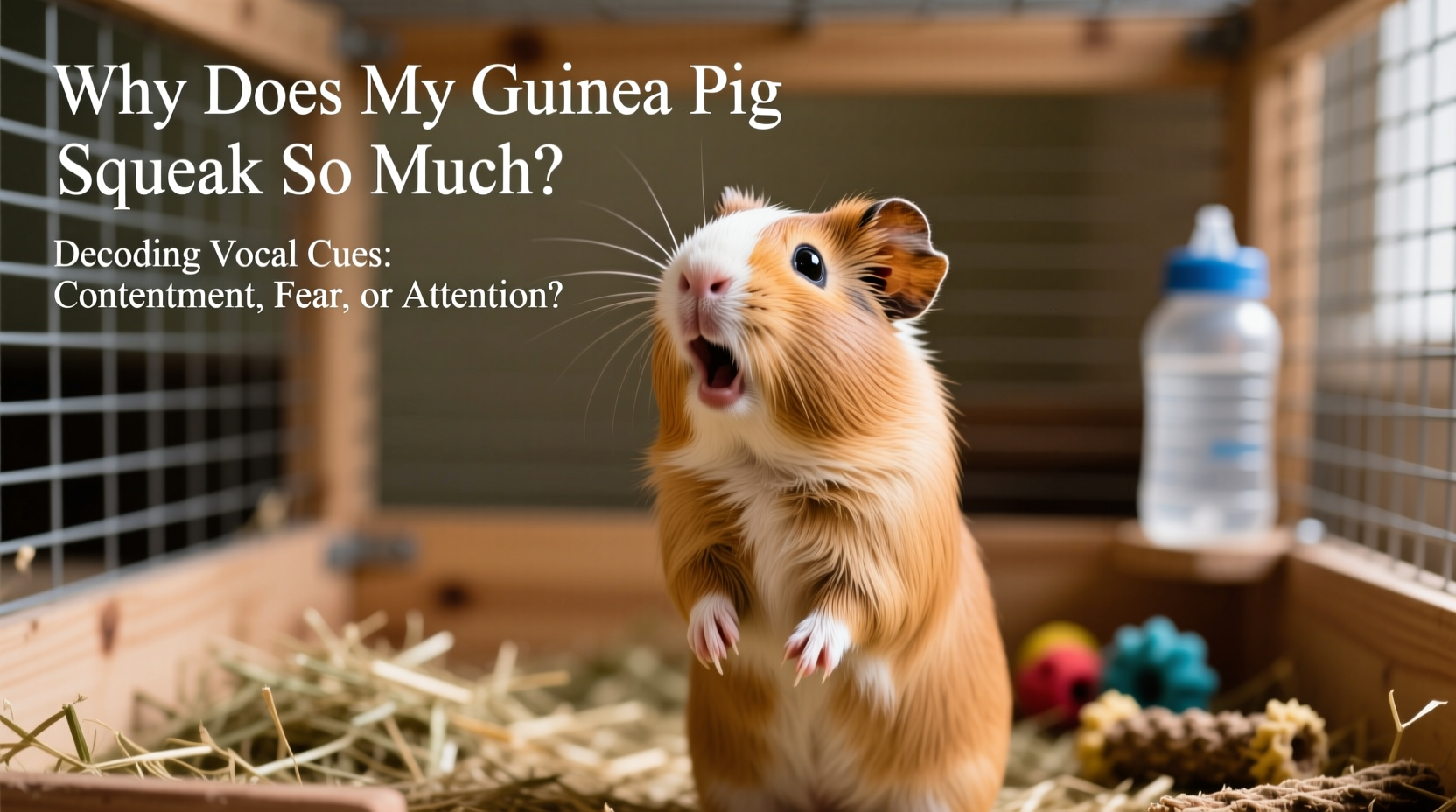
Guinea pigs use a diverse vocal repertoire to express themselves. While squeaking is one of the most noticeable sounds, it’s just one part of a broader communication system that includes chirping, purring, rumbling, and teeth chattering. Each sound has a distinct meaning depending on pitch, frequency, and accompanying behavior.
The classic high-pitched squeak—often called a “wheek”—is typically associated with anticipation. It’s commonly heard when a guinea pig hears the fridge open or footsteps approaching feeding time. This sound is sharp and repetitive, indicating eagerness rather than discomfort.
Another form of squeaking, known as the “chuckle” or low-pitched squeal, may occur during social interactions. Males often make this noise during courtship, while females may emit similar sounds when establishing dominance. These variations are usually accompanied by body posturing such as raised fur or a stiff-legged stance.
In contrast, a sudden, piercing squeal often signals pain or fear. This is different from the anticipatory wheek in both tone and intensity. A frightened guinea pig might freeze, dart away, or flatten itself against the ground after such a cry.
Tip: Observe not just the sound but also your guinea pig’s posture, movement, and surroundings. A squeak during play may be playful; the same sound during handling could indicate discomfort.Decoding the Meaning Behind Frequent Squeaking
Frequent squeaking isn’t inherently problematic—but its cause matters. Some guinea pigs are naturally more vocal than others, especially those kept in pairs or groups where communication is constant. However, excessive squeaking can point to underlying issues if patterns shift suddenly or become distressing.
Hunger is one of the most common reasons for persistent squeaking. Guinea pigs have fast metabolisms and need constant access to hay, along with scheduled fresh vegetables and pellets. When food runs low or feeding times are delayed, they’ll often “wheek” insistently until attended to. This behavior is learned quickly and reinforced when owners respond promptly.
Social needs also drive vocalization. As herd animals, guinea pigs thrive on companionship. A lone guinea pig may squeak more frequently out of loneliness, especially if they hear other animals or human activity nearby. Introducing a compatible companion (after proper quarantine and introduction) often reduces anxious vocalizations.
Environmental stressors can also trigger excessive squeaking. Loud noises, sudden movements, unfamiliar scents, or changes in routine may cause anxiety. For example, a guinea pig introduced to a new cage might squeak repeatedly as it explores and assesses safety. Similarly, vet visits or grooming sessions can provoke fear-based vocalizations.
“Guinea pigs evolved as prey animals, so their vocalizations serve as both social signals and survival mechanisms. Understanding them requires attention to context.” — Dr. Lena Torres, Exotic Animal Behavior Specialist
Do’s and Don’ts of Responding to Guinea Pig Squeaks
| Scenario | Do | Don't |
|---|---|---|
| Anticipatory wheeking at feeding time | Respond calmly and consistently; offer food on schedule | Reinforce begging by feeding immediately every time they squeak |
| Sudden high-pitched squeal during handling | Gently place them down and check for injury or fear triggers | Ignore signs of distress or continue handling aggressively |
| Constant squeaking from a single guinea pig | Consider introducing a companion after proper introduction process | Assume all squeaking is normal without assessing social needs |
| Squeaking during cage cleaning | Clean quietly and return familiar items quickly to reduce anxiety | Leave them exposed in an empty cage for long periods |
| Nighttime vocalizations | Ensure environment is quiet, dark, and secure | Disturb them unless necessary—nocturnal noise may disrupt sleep cycles |
When Squeaking Signals Health Concerns
While most squeaking is benign, certain patterns warrant closer inspection. Persistent, weak, or labored squeaks—especially when paired with lethargy, hunched posture, or loss of appetite—can indicate illness. Respiratory infections, dental problems, and gastrointestinal stasis are common conditions in guinea pigs that may manifest through altered vocal behavior.
Dental disease, for instance, causes significant discomfort due to overgrown teeth. A guinea pig in pain may emit soft, intermittent squeaks when chewing or being touched near the mouth. Other signs include drooling, weight loss, and reduced food intake.
Similarly, urinary tract issues or bladder stones can cause sharp cries during urination. These episodes may be brief but intense, followed by hiding or reluctance to move. Because guinea pigs instinctively mask pain, subtle vocal changes are often early red flags.
If your guinea pig begins squeaking in situations where they previously remained quiet—or stops vocalizing altogether—this shift merits veterinary evaluation. A complete silence can be just as concerning as excessive noise, particularly if accompanied by withdrawal or abnormal breathing.
Tip: Keep a simple log of vocalizations for a few days: note time, sound type, behavior, and possible triggers. This can help identify patterns and provide valuable information to your vet.A Real-Life Example: Bella the Over-Squeaky Guinea Pig
Bella, a two-year-old female guinea pig, was adopted by a first-time owner who quickly became concerned about her constant squeaking. She wheeked throughout the day, especially when her owner entered the room, and occasionally let out loud shrieks during evening quiet hours. Initially, the owner assumed Bella was simply “talkative,” but the frequency began affecting household peace.
After consulting a small animal behaviorist, several factors were identified. First, Bella had been housed alone since adoption, despite thriving best in pairs. Second, her feeding schedule was inconsistent—sometimes delayed until late evening. Finally, her cage was located in a high-traffic area near a slamming door, creating frequent startle responses.
Changes were implemented gradually: a compatible female companion was introduced after quarantine, feeding times were standardized, and the cage was relocated to a quieter corner. Within three weeks, Bella’s squeaking decreased significantly. The anticipatory wheeks remained around meals but ceased at night, and she began purring during gentle petting—a sign of contentment rarely seen before.
This case illustrates how multiple environmental and social factors can amplify vocalizations, even when no medical issue exists. Addressing root causes led to a calmer, happier guinea pig and a more harmonious home.
Step-by-Step Guide to Reducing Unwanted Squeaking
- Assess current living conditions: Evaluate cage size, location, bedding, and enrichment. Ensure it meets minimum standards (at least 7.5 sq ft per pair) and is placed away from drafts, direct sunlight, and loud appliances.
- Establish a consistent routine: Feed at the same times daily, provide unlimited hay, and maintain a regular cleaning schedule. Predictability reduces anxiety-driven vocalizations.
- Evaluate social needs: Determine whether your guinea pig lives alone. If so, consider adopting a same-sex companion after proper health screening and gradual introduction.
- Monitor vocal patterns: Track when and why squeaking occurs. Use notes or a voice memo app to document frequency, duration, and triggers over 3–5 days. <5> Minimize stressors: Reduce loud noises, limit sudden handling, and avoid overcrowding. Provide hideouts and tunnels for security.
- Consult a veterinarian: Rule out medical causes if squeaking is new, intense, or associated with physical symptoms like limping, sneezing, or bloating.
- Respond appropriately: Acknowledge communication without reinforcing undesirable behaviors. For example, feed on schedule rather than every time they wheek.
Expert Tips for Interpreting Subtle Cues
- Purring: A deep, rhythmic vibration usually indicates contentment, especially when petted gently. Short, tense purrs may signal annoyance.
- Chutting: A soft, staccato sound made while exploring—often a sign of curiosity or mild excitement.
- Teeth chattering: A warning sign of aggression or fear. Often paired with head shaking or avoidance.
- Chirping: Rare and mysterious—some believe it indicates sadness or disorientation, though research is limited.
- Rumbling: A low, vibrating sound used during dominance displays or mating. Males often sway their hips while rumbling.
FAQ
Is it normal for my guinea pig to squeak all day?
Occasional squeaking is normal, especially around feeding or interaction times. However, nonstop squeaking may indicate unmet needs such as hunger, loneliness, or environmental stress. Evaluate diet, companionship, and habitat to determine the cause.
Why does my guinea pig squeak when I pick them up?
Some guinea pigs squeak out of surprise or fear when lifted, especially if not handled regularly. Build trust through gentle, supported handling and positive reinforcement with treats. Avoid grabbing from above, which mimics predator movements.
Can guinea pigs scream?
They don’t scream like humans, but they can produce a loud, shrill squeal when in extreme pain or terror—such as during a predator encounter or accidental injury. This sound is rare and should prompt immediate assessment of safety and health.
Conclusion: Listening with Purpose
Your guinea pig’s squeaks are more than random noise—they’re a window into their emotional and physical state. By learning to distinguish between a joyful wheek and a cry of distress, you become a more attuned caregiver. These small creatures depend entirely on us to interpret their world, and their voices are one of the clearest ways they reach out.
Start today by spending quiet time observing your guinea pig without interference. Listen closely, watch their body language, and note how their sounds change in different contexts. Over time, you’ll develop an intuitive understanding of their unique personality and communication style.
💬 Have a story about your guinea pig’s squeaks? Share your experiences in the comments below—your insights could help another pet parent understand their furry friend better.








