Guinea pigs are far from silent pets. In fact, they’re among the most expressive small animals you can bring into your home. Their constant squeaking isn’t random noise—it’s a sophisticated form of communication. If your guinea pig seems to be squeaking nonstop, it’s not just attention-seeking; it’s trying to tell you something. Understanding this vocal language is essential for building trust, ensuring well-being, and responding appropriately to their needs.
Unlike many rodents, guinea pigs rely heavily on sound to express emotions, signal danger, or request food. From high-pitched shrieks to soft purrs, each sound carries specific meaning. By learning to interpret these vocalizations, you shift from simply owning a pet to truly understanding one.
The Sounds of Survival: Why Vocalization Matters
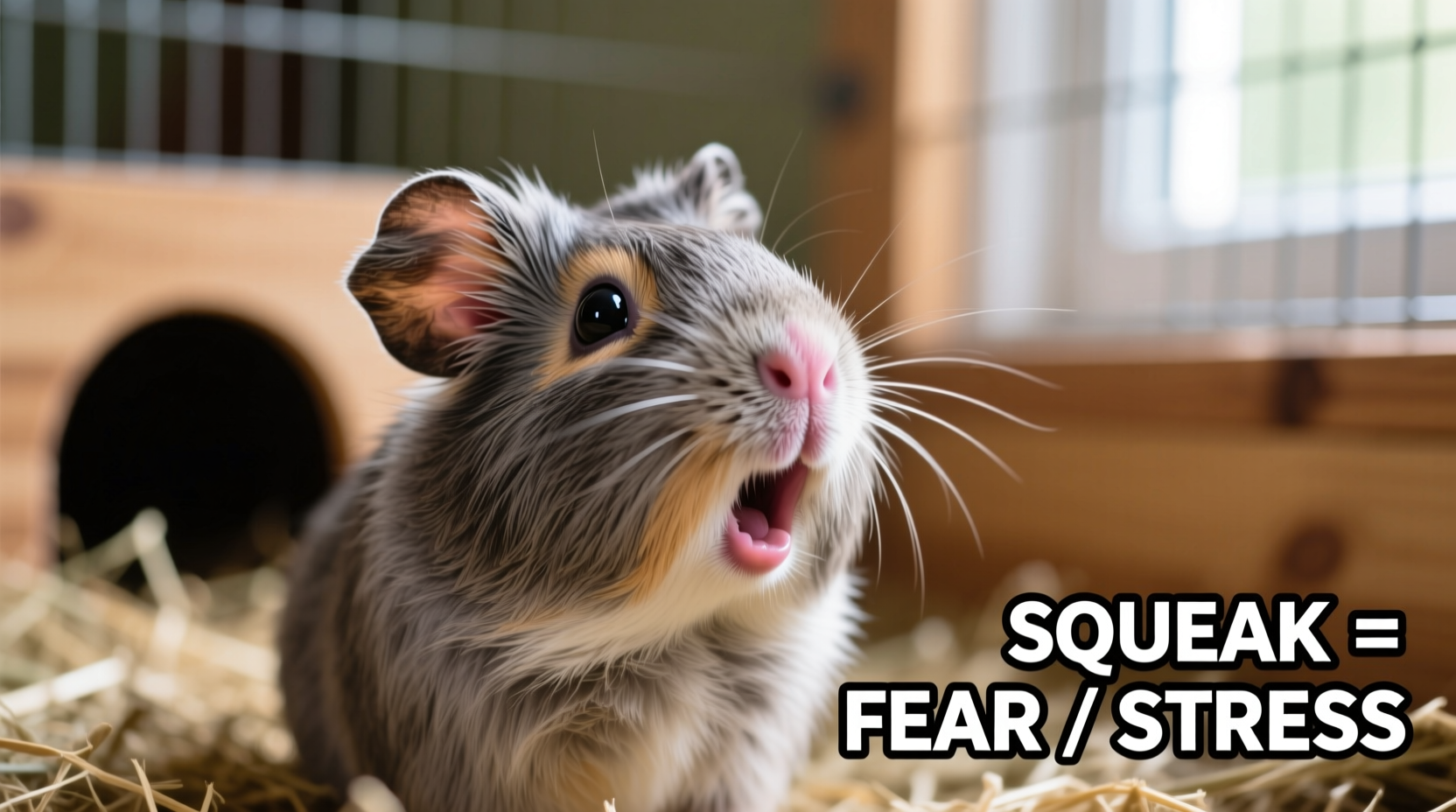
In the wild, guinea pigs—native to the Andes in South America—are prey animals. Their survival depends on alerting others in the group to threats, maintaining social bonds, and securing resources. Even though domesticated guinea pigs live in safe environments, these instincts remain deeply embedded in their behavior.
Vocalization is central to their social structure. A colony communicates through a range of sounds to establish hierarchy, warn of danger, and express contentment. When your guinea pig squeaks, it may be acting on instinctual patterns passed down through generations. Recognizing this helps frame their behavior not as annoyance, but as meaningful expression.
“Guinea pigs are remarkably vocal because their entire social system evolved around sound. Ignoring their calls is like ignoring someone speaking to you in a foreign language.” — Dr. Lena Torres, Exotic Animal Behaviorist
Decoding the Squeak: Common Guinea Pig Vocalizations
Guinea pigs produce at least eight distinct vocalizations, each tied to a particular emotional or physical state. Learning to differentiate them allows you to respond with precision rather than guesswork.
| Vocalization | Sound Description | Meaning |
|---|---|---|
| Wheeking | High-pitched, repetitive squeal | Excitement, usually associated with feeding time |
| Purring | Low, rumbling vibration | Contentment (short purr) or annoyance (long, tense purr) |
| Chutting | Soft, rhythmic clicking | Exploration or mild interest in surroundings |
| Teeth Chattering | Sharp, rapid clicking | Aggression or feeling threatened |
| Hissing | Forceful exhale | Defensiveness or warning another guinea pig |
| Whining | Persistent, high-pitched cry | Discomfort, fear, or separation anxiety |
| Shrieking | Loud, piercing scream | Fear, pain, or perceived threat |
| Chirping | Bird-like trill | Rare; possibly linked to confusion or distress |
The most commonly misunderstood sound is the wheek. Many owners assume constant wheeking means happiness, but context matters. If your guinea pig wheeks every time you enter the room—even when not feeding—it may have learned that squeaking gets attention. This becomes a reinforced behavior, not always rooted in hunger.
Tip: Observe body language alongside sound. A relaxed posture during purring indicates comfort; stiff muscles and arched back during purring suggest irritation.Why Is My Guinea Pig Squeaking Constantly?
Constant squeaking isn’t normal if it persists beyond brief moments of excitement. It often signals an unmet need. Below are the most common causes:
- Hunger or Thirst: Guinea pigs have fast metabolisms and graze throughout the day. If food or water is low, they’ll wheek persistently until it’s replenished.
- Loneliness: Highly social by nature, guinea pigs can whine or chirp when isolated. They thrive in pairs or small groups and may vocalize more when alone.
- Boredom: Lack of stimulation leads to repetitive behaviors, including excessive squeaking. A cage without tunnels, chew toys, or space to explore invites vocal frustration.
- Fear or Stress: Loud noises, sudden movements, or unfamiliar animals can trigger shrieking or whining. Even changes in routine may cause anxiety-related vocalizations.
- Pain or Illness: A high-pitched, continuous squeal—especially when handled—can indicate dental issues, urinary problems, or gastrointestinal discomfort.
- Attention-Seeking: Some guinea pigs learn that squeaking results in interaction. Over time, this becomes a conditioned response, even when basic needs are met.
It’s crucial to distinguish between reactive squeaking (a short burst after a loud noise) and chronic vocalization. The latter warrants investigation into environment, health, and social conditions.
Mini Case Study: Bella the Lonely Wheeker
Sarah adopted Bella, a young female guinea pig, from a local shelter. Within days, she noticed Bella wheeked constantly—morning, afternoon, and night. Initially, Sarah assumed it was hunger and increased feeding frequency. But the squeaking continued.
After consulting a vet and ruling out medical issues, Sarah observed Bella’s behavior closely. She realized the wheeking intensified when Sarah left the room. Bella also paced her enclosure and showed little interest in toys.
The solution? Companionship. Sarah introduced a calm male guinea pig named Milo. Within 48 hours, Bella’s vocalizations dropped significantly. She still wheeked at mealtime, but the anxious, round-the-clock squeaking ceased. Bella wasn’t hungry—she was lonely.
How to Respond: A Step-by-Step Guide to Calming Excessive Vocalization
If your guinea pig squeaks constantly, follow this structured approach to identify and resolve the root cause.
- Assess Immediate Needs: Check food, water, and bedding. Ensure hay is fresh and accessible at all times. Replace soiled bedding promptly.
- Observe Timing and Triggers: Keep a log for 2–3 days noting when squeaking occurs, duration, and what happens before/after. Is it near feeding time? After handling? During quiet hours?
- Evaluate Social Environment: Is your guinea pig housed alone? Consider pairing with a compatible companion. Introduce slowly and under supervision.
- Enrich the Habitat: Add cardboard tubes, hideouts, chew blocks, and safe climbing areas. Rotate toys weekly to maintain novelty.
- Minimize Stressors: Place the cage in a quiet area away from foot traffic, loud TVs, or predatory pets like cats and dogs.
- Schedule a Vet Visit: Persistent, high-pitched squeals—especially during movement or eating—may indicate illness. Dental overgrowth, bladder stones, or respiratory infections require professional diagnosis.
- Adjust Interaction Patterns: Avoid reinforcing attention-seeking squeaks by immediately responding. Wait for a quiet moment, then offer interaction or treats to reward silence.
This process helps transition from reactive management (“They’re squeaking, so I’ll pick them up”) to proactive care (“Let’s fix the underlying reason they feel the need to squeak”).
Checklist: Is Your Guinea Pig’s Environment Optimal?
Use this checklist to audit your guinea pig’s living conditions and reduce unnecessary vocalization.
- ✅ Cage size is at least 7.5 square feet for one guinea pig (larger for pairs)
- ✅ Unlimited access to Timothy hay and fresh water
- ✅ Daily servings of vitamin C-rich vegetables (e.g., bell peppers, kale)
- ✅ At least two compatible companions (unless medically or behaviorally contraindicated)
- ✅ Quiet location with consistent lighting and temperature (65–75°F ideal)
- ✅ Daily supervised out-of-cage playtime (minimum 1 hour)
- ✅ Chew toys and hiding spots to encourage natural behaviors
- ✅ Cleaned cage at least twice weekly with safe, non-toxic bedding
- ✅ No exposure to drafts, direct sunlight, or extreme temperatures
- ✅ Annual veterinary checkups with an exotic animal specialist
Meeting these standards doesn’t guarantee silence—but it ensures that any remaining vocalizations are likely part of normal communication, not distress signals.
FAQ: Common Questions About Guinea Pig Squeaking
Is it normal for guinea pigs to squeak all day?
No, constant squeaking throughout the day is not normal. Occasional wheeking at feeding time or soft chutting during exploration is typical. Persistent vocalization suggests unmet physical, social, or environmental needs and should be investigated.
Do guinea pigs squeak when they’re happy?
Yes, but selectively. Wheeking at the sight of food or their owner is often excitement. Short, gentle purring while being petted indicates pleasure. However, prolonged or loud squeaks—even if frequent—are rarely signs of happiness and usually point to stress or demand.
Can too much squeaking harm my guinea pig?
Not directly, but chronic vocalization often accompanies stress, which weakens the immune system over time. Prolonged stress increases susceptibility to illness, digestive issues, and shortened lifespan. Addressing the cause protects long-term health.
Conclusion: Listening Is the First Step to Better Care
Your guinea pig’s squeak is not a flaw—it’s a feature. These animals evolved to communicate vocally because silence could mean death in the wild. Today, that same urgency translates into a plea for attention, comfort, or companionship. By learning to decode their sounds, you honor their nature and deepen your bond.
Stop asking, “Why does my guinea pig squeak constantly?” and start asking, “What is my guinea pig trying to tell me?” That shift in perspective transforms care from routine to relationship. Whether it’s adjusting their diet, adding a friend, or simply giving them space, your response shapes their quality of life.
💬 Have you decoded a unique squeak from your guinea pig? Share your experience in the comments and help fellow owners understand their furry companions better.








