Guinea pigs are among the most expressive small pets, relying heavily on vocalizations to communicate their needs, emotions, and social cues. If your guinea pig squeaks constantly, it’s natural to feel concerned or confused. However, constant squeaking isn’t always a sign of distress—it can indicate excitement, hunger, discomfort, or even social bonding. Understanding the context, tone, and frequency of these sounds is key to interpreting your pet’s behavior accurately. This article breaks down the science and psychology behind guinea pig vocalizations, helping you decode what your furry companion is trying to tell you.
The Language of Guinea Pigs: An Overview
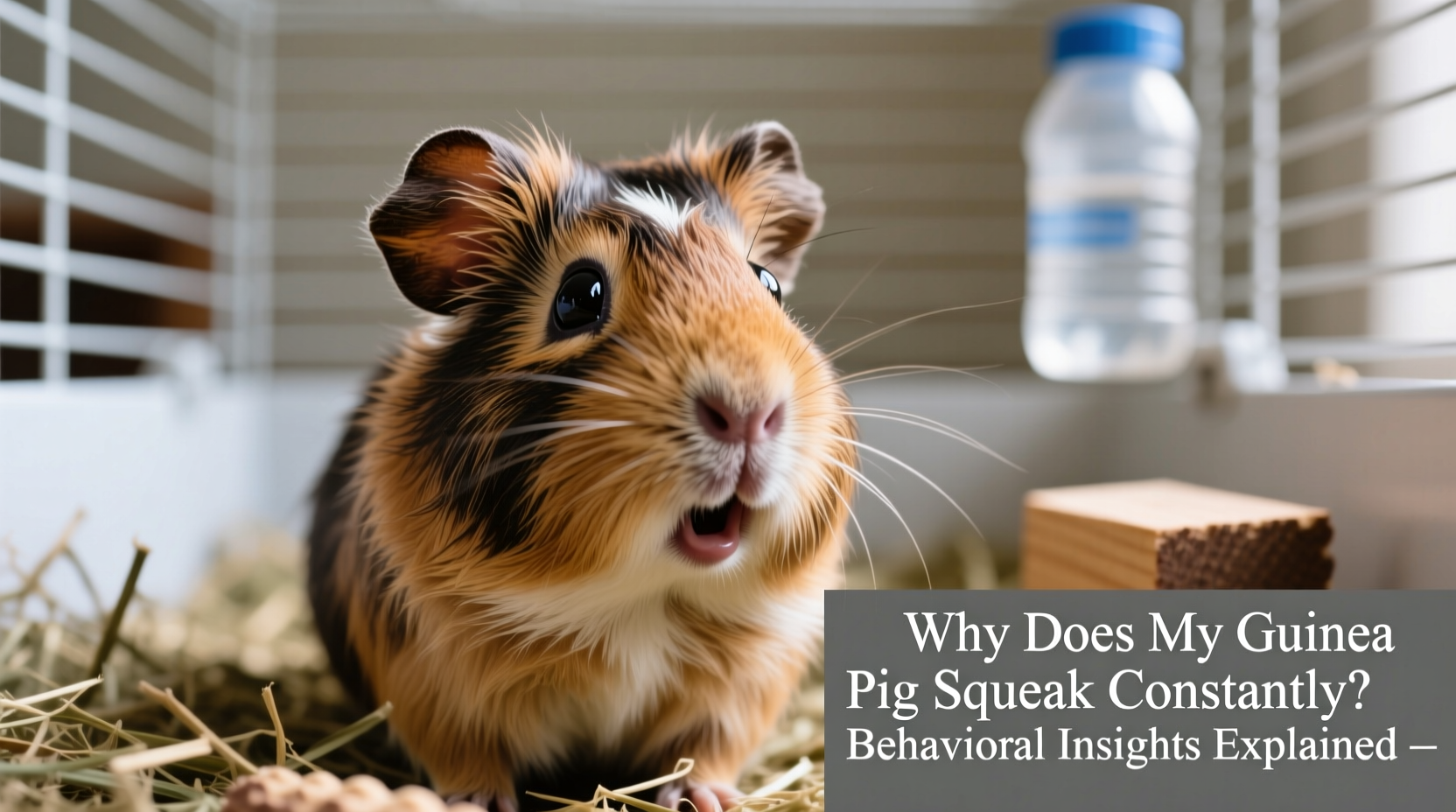
Unlike many rodents, guinea pigs are highly social animals with a complex range of vocal expressions. They use sound as their primary method of communication—especially since they have limited facial mobility and subtle body language compared to cats or dogs. Researchers have identified over ten distinct vocalizations in guinea pigs, each serving a specific communicative purpose.
The most common sounds include:
- Wheeking – A high-pitched, repetitive squeal often associated with anticipation (usually food-related).
- Purring – A soft, vibrating sound that can signal contentment or annoyance, depending on context and body posture.
- Chutting – A rhythmic, staccato noise used during exploration or mild curiosity.
- Teeth chattering – A warning sign indicating aggression or fear.
- Whining or shrieking – Sharp, urgent cries signaling pain or extreme fear.
- Squeaking – A broad term covering various high-frequency calls, often interpreted as attention-seeking or discomfort.
Among these, squeaking is one of the most misunderstood behaviors. It’s not a single emotion but a versatile tool in the guinea pig’s communication toolkit.
Decoding Constant Squeaking: Common Causes
When a guinea pig squeaks repeatedly, the cause depends on timing, pitch, environment, and accompanying behaviors. Below are the most frequent reasons for persistent squeaking:
Hunger or Food Anticipation
One of the most common triggers for constant squeaking is feeding time. Guinea pigs quickly learn routines and will “wheeke” loudly when they hear food preparation or see their owner approaching the kitchen. This type of squeak is usually high-pitched, rhythmic, and accompanied by pacing or standing on hind legs.
Tip: If your guinea pig squeaks every time you enter the kitchen, it has associated your presence with feeding. Try feeding at consistent times to reduce anxiety-driven vocalizations.Social Interaction Needs
Guinea pigs are herd animals. In the wild, they live in large groups and rely on constant auditory contact with companions. A lone guinea pig may squeak persistently out of loneliness or boredom. These squeaks are often softer and more plaintive than food-related ones.
If housed alone, your pet might be calling out for interaction—either from you or another guinea pig. Introducing a compatible companion (after proper quarantine and introduction) can significantly reduce isolation-induced vocalization.
Discomfort or Pain
Sharp, sudden, or prolonged squeaking—especially when accompanied by hunched posture, lethargy, or teeth grinding—can indicate physical discomfort. Common health issues like urinary tract infections, dental problems, or gastrointestinal pain often manifest through vocal cues before visible symptoms appear.
“Guinea pigs are prey animals and instinctively hide pain. Vocalizing is a late-stage indicator—by the time they squeak in distress, the issue may already be advanced.” — Dr. Rebecca Tran, Exotic Animal Veterinarian
Mating Behavior and Hormonal Activity
Unneutered males may emit loud, persistent squeaks when detecting a female in heat. Similarly, females may call out during estrus cycles. This behavior is part of courtship rituals known as “rumblestrutting,” where males vibrate their bodies and emit low-frequency purrs combined with high-pitched calls.
Environmental Stressors
Loud noises, sudden movements, unfamiliar scents, or cage disturbances can trigger anxiety-based squeaking. Guinea pigs have sensitive hearing and poor eyesight, making them easily startled. Constant exposure to stressors leads to chronic vocalization as a form of protest or fear response.
Understanding Tone and Context
Not all squeaks are equal. The meaning lies in the **tone**, **rhythm**, and **situation**. Here's a breakdown of how to interpret different types of squeaks:
| Type of Squeak | Tone & Pattern | Common Cause | Recommended Response |
|---|---|---|---|
| Wheeking | High-pitched, repetitive, rapid | Hunger, excitement | Feed scheduled meals; avoid overfeeding treats |
| Single sharp squeak | Short, loud, abrupt | Fear, surprise, minor pain | Check for threats; observe for repeated signs |
| Continuous soft squeaking | Monotone, low-volume, ongoing | Loneliness, boredom | Increase interaction or consider pairing |
| Shrieking or screaming | Extremely loud, piercing, sustained | Severe pain, predator threat | Immediate veterinary consultation required |
| Chirping (rare) | Bird-like, melodic | Confusion, extreme distress | Assess environment and health urgently |
Observing your guinea pig’s body language alongside the sound improves accuracy. For example, wheeking while running to the cage door clearly signals food anticipation. But the same sound during handling could mean discomfort if the animal is wriggling or trying to escape.
Step-by-Step Guide to Addressing Constant Squeaking
If your guinea pig is squeaking nonstop, follow this systematic approach to identify and resolve the underlying cause:
- Observe the Timing and Triggers
Keep a log for 2–3 days noting when the squeaking occurs, its duration, and what happens just before. Is it around feeding time? During cleaning? When left alone? - Assess Physical Health
Check for signs of illness: weight loss, wet chin (indicating dental issues), bloating, or abnormal droppings. Schedule a vet visit if any red flags appear. - Evaluate Social Environment
Determine if your guinea pig is housed alone. If so, consider introducing a same-sex companion after proper introduction protocols. Even bonded pairs benefit from human interaction. - Review Diet and Routine
Ensure fresh hay is available 24/7, and vegetables are provided daily. Irregular feeding schedules increase anxiety and vocalization. - Minimize Environmental Stress
Place the cage in a quiet area away from foot traffic, loud appliances, or other pets. Use hiding huts and tunnels to create secure spaces. - Respond Appropriately
Acknowledge your guinea pig’s call without reinforcing unwanted behavior. For example, if they wheek for food outside mealtime, wait until quiet before offering a treat to avoid conditioning excessive noise.
Mini Case Study: Luna the Lonely Pig
Luna, a two-year-old female guinea pig, began squeaking incessantly after her long-time companion passed away. Her owner, Sarah, noticed the vocalizations peaked in the evenings and were soft and repetitive. Despite unchanged diet and routine, Luna became withdrawn and stopped exploring her cage.
After consulting a veterinarian and ruling out medical causes, Sarah introduced a young male guinea pig named Milo following a gradual introduction process over two weeks. Within days, Luna’s squeaking decreased dramatically. The two began grooming each other and sleeping side by side. Occasional squeaks now occur only during feeding time—clearly food-related and brief.
This case illustrates how social deprivation can manifest as constant vocalization—and how appropriate companionship restores emotional balance.
Prevention and Long-Term Wellbeing
While occasional squeaking is normal, constant noise suggests unmet needs. Proactive care reduces unnecessary vocalization and promotes overall health:
- Provide mental stimulation: Rotate toys, add cardboard tubes, and offer foraging opportunities (e.g., hiding veggies in paper bags).
- Establish predictable routines: Feed, clean, and interact at consistent times to build trust and reduce anxiety.
- Allow safe floor time: Supervised play sessions outside the cage encourage exercise and exploration, reducing boredom-related calls.
- Use positive reinforcement: Reward quiet behavior with gentle petting or a small treat to shape desirable habits.
Checklist: Is Your Guinea Pig’s Squeaking Normal?
- ✅ Does the squeaking stop after feeding or interaction?
- ✅ Is your guinea pig active, eating well, and grooming regularly?
- ✅ Are there no signs of pain (teeth grinding, hunched posture)?
- ✅ Is the environment calm and free from sudden disturbances?
- ✅ Is your guinea pig housed with a compatible companion (if alone, is enrichment sufficient)?
If all answers are “yes,” the squeaking is likely benign. If multiple boxes remain unchecked, further investigation is warranted.
Frequently Asked Questions
Is it normal for guinea pigs to squeak all day?
No, constant all-day squeaking is not normal. While short bursts of wheeking during feeding or social interaction are expected, persistent vocalization throughout the day usually indicates an unmet need—such as hunger, loneliness, or discomfort. Evaluate diet, companionship, and environment to determine the cause.
Can guinea pigs scream?
Yes, guinea pigs can emit a loud, piercing scream when terrified or in severe pain—such as during a predator attack or injury. This sound is rare in well-cared-for pets but should never be ignored. Immediate inspection and, if necessary, veterinary care are essential.
Do guinea pigs squeak in their sleep?
Occasionally, guinea pigs may make soft noises while sleeping, especially if dreaming or adjusting position. However, loud or frequent squeaking during rest could indicate discomfort, illness, or environmental disturbance. Ensure the cage is quiet and comfortable at night.
Conclusion: Listening With Empathy
Your guinea pig’s squeak is more than noise—it’s a message. By learning to interpret the nuances of their vocalizations, you deepen your bond and provide more responsive, compassionate care. Whether the cause is hunger, loneliness, or hidden discomfort, attentive observation empowers you to act wisely and promptly.
💬 Have a story about your guinea pig’s squeaking behavior? Share your experience in the comments below—your insight could help another pet owner understand their furry friend better.








