
Ear pain is more than just an annoyance—it can interfere with sleep, concentration, and daily activities. While it’s especially common in children, adults experience ear discomfort too. The sensation may range from mild pressure to sharp, throbbing pain, and it can occur in one or both ears. Understanding the root cause is essential for proper treatment. Ear pain isn’t always due to infection; it can stem from issues in nearby structures like the jaw, throat, or sinuses. This guide breaks down the most frequent reasons behind ear pain, outlines evidence-based treatments, and helps you decide when professional care is necessary.
Common Causes of Ear Pain
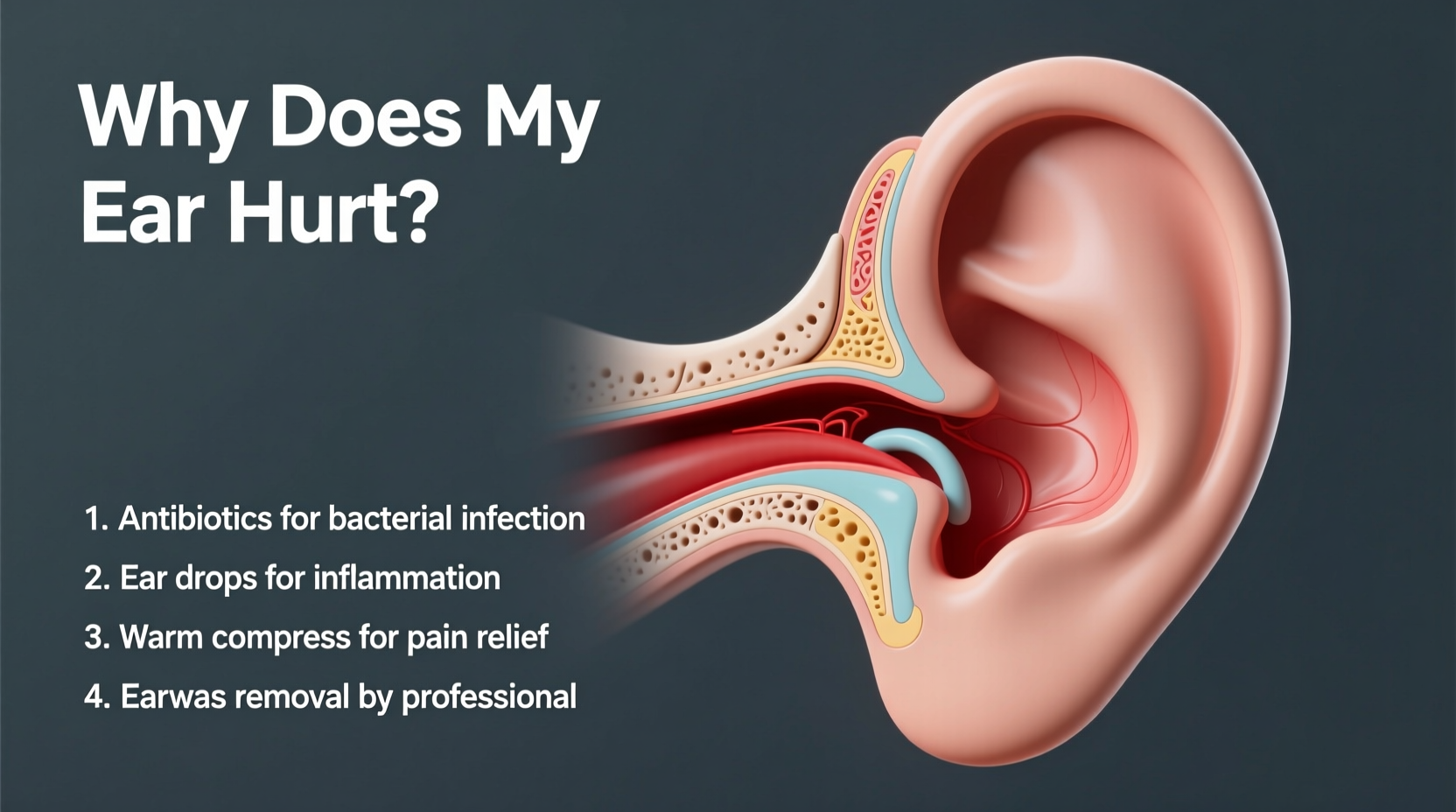
Ear pain, medically known as otalgia, can be classified as primary (originating in the ear) or secondary (referred pain from another area). Identifying the source determines the appropriate response.
Primary Ear Pain Causes
- Otitis media: A middle ear infection often following a cold, especially common in young children. Fluid buildup behind the eardrum leads to pressure and pain.
- Otitis externa (swimmer’s ear): An infection of the outer ear canal, usually caused by trapped moisture that promotes bacterial growth. Frequent swimmers are particularly susceptible.
- Cerumen impaction: When earwax builds up and blocks the ear canal, it can cause pressure, muffled hearing, and discomfort.
- Eardrum perforation: A hole or tear in the eardrum due to infection, sudden pressure changes (like during air travel), or physical injury.
Secondary (Referred) Ear Pain Causes
Pain perceived in the ear may actually originate elsewhere due to shared nerve pathways.
- Dental issues: Cavities, impacted wisdom teeth, or temporomandibular joint (TMJ) disorders can radiate pain to the ear.
- Sinus infections: Congestion in the maxillary or ethmoid sinuses can create pressure felt around the ear.
- Pharyngitis or tonsillitis: Sore throat from viral or bacterial infections often refers pain to the ears.
- Jaw clenching or grinding: Chronic tension in the jaw muscles can mimic earache symptoms.
Treatment Options Based on Cause
Effective treatment depends entirely on the underlying condition. Self-care may suffice for minor issues, but medical intervention is crucial for infections or structural damage.
For Middle Ear Infections (Otitis Media)
In children, many cases resolve without antibiotics. Doctors often recommend a “watchful waiting” approach for 48–72 hours unless symptoms worsen. For persistent or severe cases:
- Prescription antibiotics (e.g., amoxicillin) if bacterial infection is confirmed.
- Pain relievers like acetaminophen or ibuprofen.
- Ear drops containing analgesics for temporary symptom relief.
For Swimmer’s Ear (Otitis Externa)
Topical antibiotic or antifungal ear drops are standard. Oral antibiotics may be needed if the infection spreads. Prevention includes drying ears thoroughly after swimming and using alcohol-based ear drops (if no perforation exists).
For Earwax Blockage
Do not use cotton swabs, which can push wax deeper. Instead:
- Use over-the-counter drops (carbamide peroxide) to soften wax.
- Irrigation with lukewarm water via a bulb syringe (avoid if you have a history of eardrum problems).
- Seek professional removal by a healthcare provider if home methods fail.
For Referred Pain
Treating the source resolves the ear discomfort. Examples include dental work for tooth abscesses, TMJ therapy for jaw disorders, or antibiotics for strep throat.
“Not all ear pain requires antibiotics. Accurate diagnosis prevents unnecessary prescriptions and supports faster recovery.” — Dr. Lena Patel, Otolaryngologist
When to See a Doctor
While some ear pain resolves on its own, certain red flags warrant prompt medical evaluation.
| Symptom | Action |
|---|---|
| Fever above 101°F (38.3°C) with ear pain | See a doctor within 24 hours |
| Drainage from the ear (pus or blood) | Seek immediate care—possible eardrum rupture |
| Hearing loss or dizziness | Requires evaluation for inner ear involvement |
| Pain lasting more than 48 hours without improvement | Consult a healthcare provider |
| Severe pain interfering with sleep or function | Don’t wait—get assessed promptly |
Home Care and Prevention Tips
Many cases of ear pain can be prevented with simple lifestyle adjustments. Here’s a checklist to reduce risk:
Checklist: Preventing Ear Pain- Dry your ears thoroughly after showers or swimming.
- Avoid inserting objects like cotton swabs into the ear canal.
- Manage allergies and sinus congestion to support Eustachian tube function.
- Chew gum during flights to help equalize ear pressure.
- Treat dental and jaw issues early to prevent referred pain.
- Use swimmer’s ear drops (alcohol-based) after water exposure—if approved by your doctor.
Real Example: A Case of Misdiagnosed Ear Pain
Sarah, a 34-year-old teacher, experienced recurring left ear pain for weeks. She visited urgent care twice, received antibiotic ear drops, and saw no improvement. Frustrated, she consulted an ENT specialist who discovered the issue wasn’t in her ear at all. After a dental exam, she was diagnosed with a cracked molar causing referred pain. Root canal treatment resolved the problem completely. This case highlights why persistent ear pain needs thorough investigation beyond the ear itself.
FAQ
Can ear pain be a sign of something serious?
Most ear pain is due to benign causes, but persistent or worsening pain—especially with facial weakness, severe headache, or high fever—can indicate complications like mastoiditis or meningitis. These require emergency care.
Are ear candles safe for removing wax?
No. The FDA warns against ear candles due to risks of burns, eardrum perforation, and wax impaction. They are ineffective and potentially dangerous. Stick to proven methods like drops or professional cleaning.
Can stress cause ear pain?
Indirectly, yes. Stress can lead to jaw clenching or teeth grinding (bruxism), which strains the TMJ and causes ear-like pain. Managing stress through relaxation techniques or using a night guard may help.
Conclusion: Take Action for Lasting Relief
Ear pain is a signal—not something to ignore or self-treat indefinitely. Whether it stems from an infection, wax buildup, or a hidden dental issue, identifying the true cause is key to effective relief. Use home remedies wisely, know when to seek help, and prioritize prevention through good ear hygiene and prompt treatment of related conditions. Your ears play a vital role in balance and communication; treat them with care.
💬 Have you experienced recurring ear pain? Share your story or tips in the comments—your insight could help someone find relief.








