Dogs are masters of subtle communication, and one of the most endearing behaviors they display is tilting their head when we speak. It's a gesture that melts hearts and often prompts smiles—but behind that charming motion lies a complex blend of cognitive processing, emotional attunement, and sensory adaptation. While many assume it’s simply a cute reflex, canine head-tilting is rooted in both biological instinct and social learning. Understanding what drives this behavior offers deeper insight into how dogs perceive us, interpret language, and strengthen emotional bonds with their human companions.
The Science Behind the Tilt: How Dogs Process Human Speech
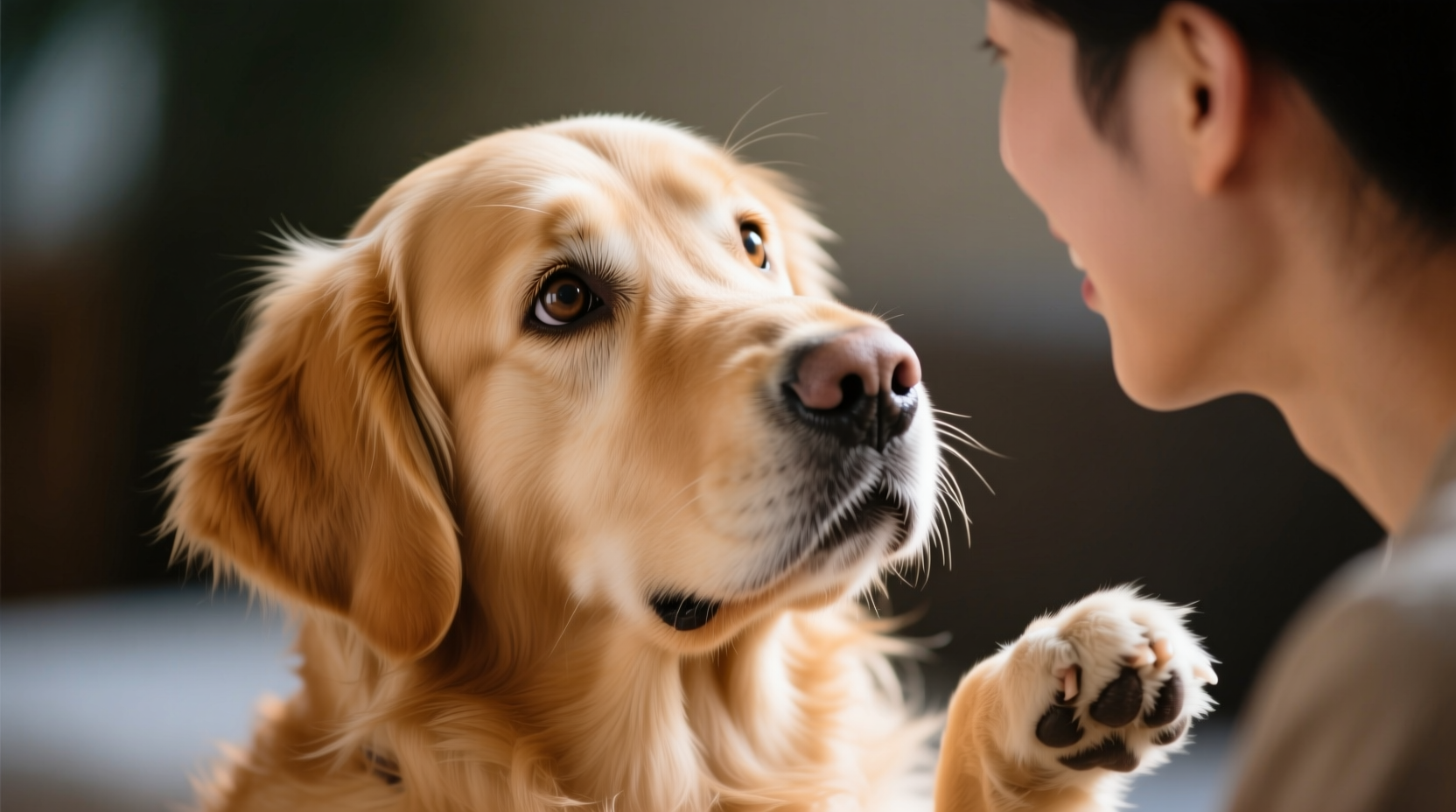
When a dog tilts its head while you're speaking, it isn't just reacting to sound—it's actively decoding auditory information. Unlike humans, dogs don’t process language through syntax or grammar, but they excel at recognizing tone, pitch, rhythm, and familiar words. Studies from institutions like Eötvös Loránd University in Hungary have shown that dogs use the left hemisphere of their brain to process meaningful words (such as “sit” or “treat”) and the right hemisphere for intonation—much like humans do.
This dual-processing ability suggests that dogs aren’t merely responding to noise; they’re attempting to extract meaning from speech patterns. The head tilt may serve as a physical adjustment to better capture these auditory signals. By slightly repositioning their ears, dogs can fine-tune how sound waves enter their ear canals, helping them distinguish between similar-sounding commands or detect subtle shifts in emotional tone.
Tip: Speak in clear, consistent tones when training your dog—this helps reinforce word recognition and reduces confusion.Emotional Connection: A Sign of Engagement and Empathy
Beyond hearing mechanics, the head tilt often reflects emotional engagement. Dogs are highly attuned to human facial expressions and vocal inflections. When you speak with excitement, concern, or affection, your dog doesn’t just hear the words—they feel the emotion behind them. The tilt can be a signal of focused attention, akin to a person leaning forward during a heartfelt conversation.
Research published in *Animal Cognition* has found that dogs are more likely to tilt their heads when spoken to in high-pitched, friendly tones—especially those associated with praise or play. This suggests the behavior is not random but context-dependent, emerging most frequently during positive social interactions. In essence, the tilt may function as a nonverbal \"I'm listening\" cue, reinforcing the bond between pet and owner.
“Dogs don’t just hear our voices—they read our emotions through them. The head tilt is often a sign of active social engagement.” — Dr. Brian Hare, Cognitive Neuroscientist & Founder of Duke Canine Cognition Center
Anatomy and Breed Differences That Influence Head Tilting
Not all dogs tilt their heads equally. Some breeds do so frequently, while others rarely exhibit the behavior. This variation is partly due to anatomical differences, particularly in ear shape and skull structure. Breeds with long muzzles (like Collies or Greyhounds) or floppy ears (such as Beagles or Basset Hounds) may need to adjust their head position to optimize sound localization.
In contrast, brachycephalic breeds (like Pugs or Bulldogs) with shorter snouts and more forward-facing eyes might rely less on head tilting because their facial anatomy already provides a different spatial relationship between ears and eyes. However, individual personality and learned behavior also play significant roles. A curious, socially motivated dog will likely tilt more often than a reserved one, regardless of breed.
| Breed Type | Likelihood of Head Tilting | Possible Reasons |
|---|---|---|
| Border Collie | High | High intelligence, strong desire to understand commands |
| Cocker Spaniel | High | Floppy ears may require adjustment for optimal hearing |
| German Shepherd | Moderate | Attentive but more stoic expression; may listen without visible tilt |
| Pug | Low | Facial structure limits range of motion; less reliance on ear positioning |
| Shiba Inu | Low to Moderate | Independent nature may reduce eagerness to respond visibly |
Learning and Conditioning: When the Tilt Becomes a Strategy
Over time, dogs learn which behaviors elicit positive responses from their owners. If a dog receives affection, laughter, or treats after tilting its head, it may begin to repeat the action deliberately—especially in situations where it wants attention or anticipates a reward. This form of operant conditioning turns an initially instinctive movement into a learned social tool.
For example, if every time Max the Golden Retriever tilts his head upon hearing “Do you want dinner?”, he gets immediate access to food, he’ll associate the tilt with favorable outcomes. Eventually, he may perform the gesture even before the full sentence is complete, anticipating the result. This doesn’t make the behavior insincere—it simply shows how adaptable and intelligent dogs are in navigating human relationships.
Mini Case Study: Luna the Curious Terrier Mix
Luna, a three-year-old Jack Russell Terrier mix adopted from a local shelter, began tilting her head dramatically whenever her owner said certain words like “walk,” “park,” or “ball.” Initially, her foster parent assumed it was just cuteness. But after tracking her reactions over several weeks, she noticed a pattern: Luna only tilted her head when the tone was upbeat and the word was part of a known command set. When the same words were spoken flatly or out of context, Luna didn’t react.
Further observation revealed that Luna started using the head tilt proactively—sometimes initiating it when she wanted to go outside, almost as if mimicking past successful interactions. Her behavior demonstrated not only auditory discrimination but also strategic communication shaped by emotional reinforcement.
When to Be Concerned: Medical Causes of Excessive Head Tilting
While occasional head tilting is normal and emotionally meaningful, persistent or uncontrolled tilting—especially when accompanied by other symptoms—can indicate underlying health issues. A constant head tilt, loss of balance, circling, or disorientation may point to vestibular disease, ear infections, neurological disorders, or even tumors.
The vestibular system, located in the inner ear, controls balance and spatial orientation. Inflammation or infection in this area (commonly referred to as “old dog vestibular syndrome” in seniors) can cause dogs to hold their heads crookedly, stumble, or experience nausea. These medical causes differ significantly from the brief, responsive tilts seen during conversation.
- Normal head tilt: Brief, intermittent, triggered by sounds or speech, resolves quickly.
- Abnormal head tilt: Constant, one-sided, accompanied by dizziness, vomiting, or eye flickering (nystagmus).
Checklist: Is Your Dog’s Head Tilt Normal or a Cause for Concern?
- Does the tilt occur only during interaction or in response to sounds? → Likely normal.
- Does your dog return to a neutral head position shortly after? → Likely normal.
- Is the tilt always in the same direction? → Could indicate a medical issue.
- Are there signs of ear discharge, scratching, or odor? → Possible ear infection.
- Has your dog shown changes in coordination or appetite? → Seek veterinary evaluation.
- Is your dog unusually lethargic or avoiding interaction? → Requires medical attention.
Strengthening the Bond: How to Respond to Your Dog’s Head Tilt
Your reaction to your dog’s head tilt influences how often they use it—and how secure they feel in your relationship. Positive reinforcement strengthens trust and encourages healthy communication. Instead of merely rewarding the cuteness, acknowledge the effort your dog is making to connect with you.
Use moments of head tilting as opportunities to deepen mutual understanding. Repeat key words clearly, maintain eye contact, and respond with warmth. Over time, your dog will become even more attuned to your voice, enhancing both obedience and emotional intimacy.
“Every head tilt is a window into your dog’s mind. It’s not just about hearing—it’s about wanting to understand you.” — Dr. Alexandra Horowitz, Author of *Inside of a Dog*
Frequently Asked Questions
Do dogs tilt their heads to see our faces better?
Yes, in part. Dogs with longer muzzles may tilt their heads to adjust their line of sight and get a clearer view of human facial expressions. Since dogs rely heavily on visual cues during communication, shifting their head allows them to bypass their snout and observe subtle changes in our eyes and mouth movements.
Can puppies learn to tilt their heads from older dogs?
Not directly, but social learning plays a role. While the basic behavior is instinctive, puppies raised around attentive adult dogs may pick up on the timing and context of head tilting through observation. Combined with owner feedback, this contributes to earlier and more frequent use of the gesture.
Should I encourage my dog to tilt his head?
If done occasionally and without pressure, gentle encouragement (like using a curious tone) is harmless. However, repeatedly prompting the behavior solely for amusement can lead to confusion or stress. Focus instead on nurturing natural communication rather than choreographing performances.
Conclusion: Listening Beyond the Surface
The next time your dog tilts his head as you speak, recognize it as more than a photogenic quirk. It’s a multifaceted behavior woven from curiosity, emotional connection, and sensory adaptation. Whether he’s deciphering your words, seeking reassurance, or simply showing love through attentiveness, each tilt reflects a deepening bond built on mutual understanding.
By paying attention not just to the gesture itself but to the context in which it occurs, you become a more empathetic companion. And in return, your dog gains confidence that his efforts to communicate are seen, heard, and valued.
💬 Have a story about your dog’s head tilt? Share your experiences in the comments—let’s celebrate the quiet ways our dogs speak to us every day.








